Minimal Disruption Painting in Ottawa: A Homeowner's Guide

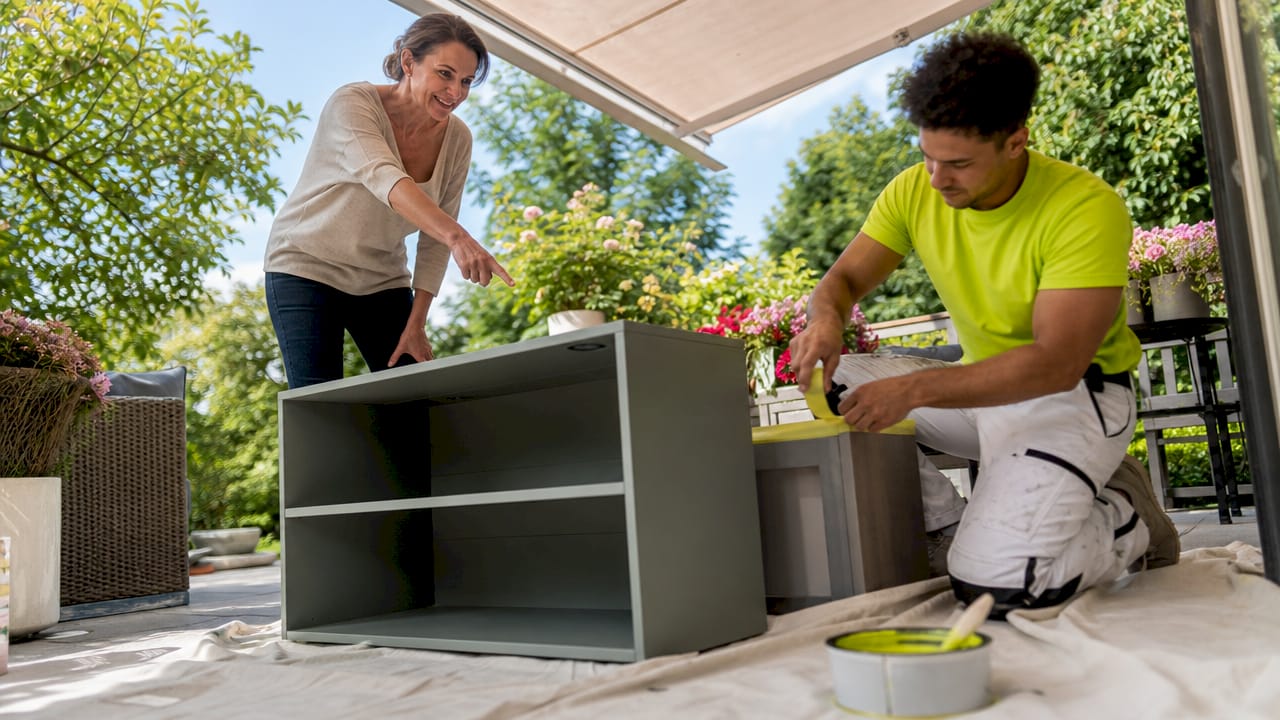
TL;DR:
Minimal disruption painting keeps your home functional throughout interior projects by using phased work, fast-drying low-VOC paints, and careful scheduling. This approach minimizes room downtime, maintains indoor air quality, and protects your health and budget during kitchen upgrades. Proper planning ensures a high-quality finish without turning your home into a construction zone.
Minimal disruption painting is defined as a structured approach to interior painting that keeps your home functional and comfortable throughout the entire project. Rather than shutting down rooms for days, this method uses phased work, fast-drying low-VOC coatings, and careful scheduling to control the impact on your daily routine. The industry often calls this “low-impact painting,” and the core principle is the same: disruption is inevitable but controlled through planning, communication, and the right materials. For Ottawa homeowners and renters, especially those upgrading kitchen cabinets, this approach makes a real difference.
What is minimal disruption painting, and how does it work?
Minimal disruption painting is not about achieving zero impact. It is about controlling that impact so your household keeps running. Professionals treat every project as a sequencing problem first, mapping access routes, prep phases, and drying windows before a single brush touches the wall.
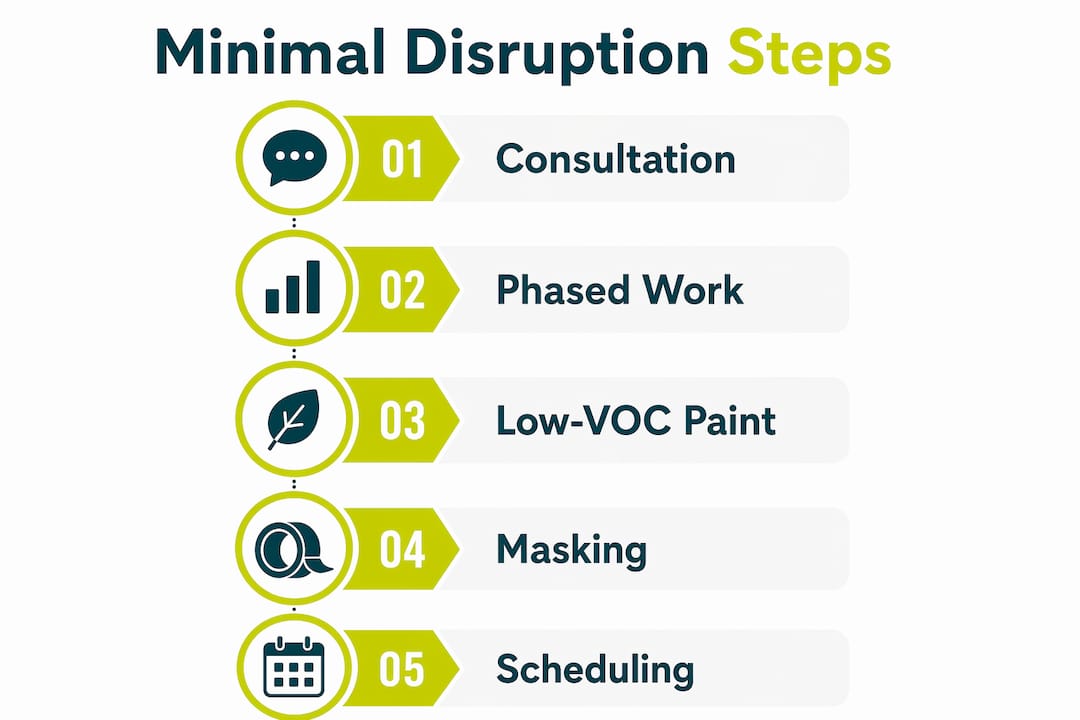
The approach relies on three pillars: phased execution, certified paint products, and deliberate scheduling. Each pillar directly reduces the time your space is unusable and the stress you feel while the work is happening. When all three are in place, a kitchen cabinet refresh in Ottawa can move from start to finish without your family losing access to the room for more than a few hours at a time.
What techniques are involved in minimal disruption painting?
Several specific techniques separate a low-impact project from a chaotic one. Understanding them helps you evaluate any painting service you consider hiring.
Phased sectional work
Professionals divide the project into sections and complete one before moving to the next. In a kitchen, this might mean painting upper cabinets on day one while lower cabinets remain fully usable. This keeps at least part of the space functional at all times.
Low-VOC and zero-VOC paint selection
Low-VOC and zero-VOC waterborne coatings now represent about 74% of the industry’s revenue share. That dominance reflects a practical reality: these paints dry faster and off-gas far less than older solvent-based formulas, so rooms can be reoccupied within hours rather than days. Look for products certified by Green Seal or Greenguard, which independently verify that indoor air quality stays within safe limits during and after application.
Phased masking and surface protection
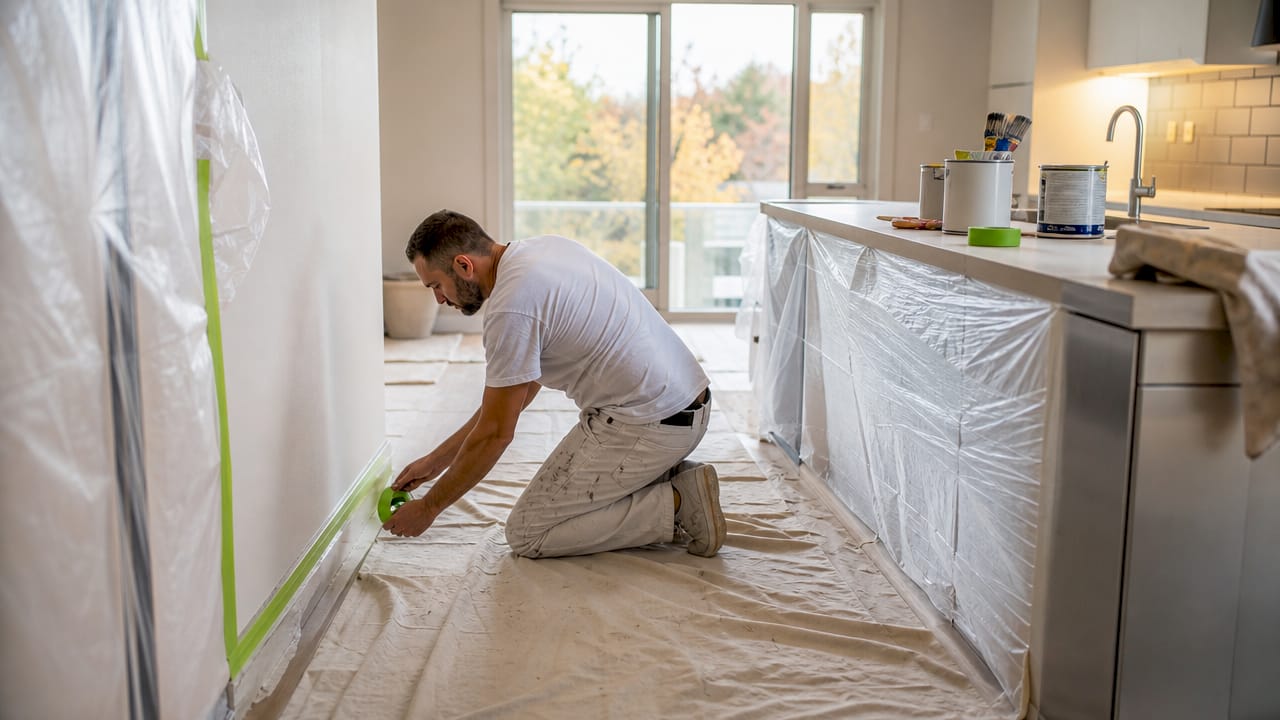
Phased masking means applying painter’s tape and protective coverings only to the section being actively painted. This keeps the rest of the workspace clear, reduces clutter, and prevents accidental damage to surfaces that are not yet in the work zone.
Canvas drop cloths over plastic
Canvas drop cloths are the professional standard for occupied homes. Unlike plastic sheeting, canvas absorbs minor spills, allows air to circulate underneath, and does not create a slick, moisture-trapping surface that becomes a slip hazard.
Scheduling around your routine
Professionals map your household schedule before work begins. Early morning start times, work windows during school hours, and avoiding meal prep times are all standard adjustments. This coordination is what separates a well-run project from one that feels like a home invasion.
Pro Tip: Ask your painting crew to confirm their daily start and end times in writing before the project begins. A clear schedule protects both sides and sets realistic expectations from day one.
What are the benefits of choosing minimal disruption painting for home upgrades?
The benefits go well beyond convenience. A low-impact painting approach protects your health, your budget, and your home’s long-term condition.
Maintained household routine. Your kitchen, living room, or bedroom stays accessible throughout the project. You cook meals, sleep in your own bed, and keep your normal schedule.
Better indoor air quality. Paints certified by Green Seal and Greenguard keep VOC levels low enough for families, including children and people with respiratory sensitivities, to remain in the home safely.
Reduced project downtime. Fast-drying waterborne coatings mean surfaces cure quickly. Cabinet doors painted in the morning are often ready for light handling by evening.
Lower long-term costs. Delaying maintenance in high-humidity areas increases preparation costs by 35% due to accelerated wood rot and surface corrosion. Addressing your cabinets now, with a controlled process, avoids a much larger bill later.
Health and safety for your family. Proper ventilation, certified paints, and canvas floor protection all reduce exposure to fumes and physical hazards during the project.
Environmental responsibility. Low-VOC waterborne coatings produce fewer harmful emissions than traditional oil-based paints, which matters for Ottawa households committed to reducing their environmental footprint.
The cost savings point deserves extra attention. Ottawa kitchens face humidity from cooking and seasonal temperature swings. Cabinet surfaces that show early wear will deteriorate faster if left untreated. A timely, well-executed painting project is genuinely cheaper than a delayed one.
How does the minimal disruption painting process work step by step?
Knowing what to expect at each stage removes the anxiety from the project. Here is how a professional low-disruption interior painting job runs in an active Ottawa home.
Initial consultation and scheduling. The crew walks through your home, notes your daily routine, and maps the project sequence around it. Meal times, work-from-home hours, and children’s schedules all factor into the plan.
Decluttering and staging. You clear counters and remove items from cabinet interiors. Decluttering kitchen counters before the crew arrives cuts setup time and reduces the chance of accidental damage to your belongings.
Surface preparation. Professionals clean, sand, and prime surfaces in a dedicated phase. Drying time after sanding and cleaning is treated as a mandatory step, not an afterthought. Skipping proper drying is a recipe for poor adhesion and costly rework down the line.
Section-by-section painting. The crew works through one zone at a time, applying phased masking as they go. Each section is painted, allowed to dry, and inspected before the crew moves to the next area.
Odor and dust management. Windows are opened strategically, ventilation fans run during application, and low-VOC products keep fume levels minimal. Dust from sanding is contained with drop cloths and vacuumed before paint goes on.
Final inspection and care advice. The crew does a walkthrough with you, points out any touch-up areas, and explains how to care for newly painted cabinets to keep the finish looking factory-fresh for years.
Pro Tip: Schedule your project to start on a Monday. This gives the crew a full work week to complete phases in sequence, with drying time built in overnight, and leaves the weekend free for your family.
How to achieve minimal disruption painting in Ottawa kitchen upgrades
Kitchens present the most complex challenge for low-impact painting. They are high-traffic, humidity-prone, and central to daily family life. Ottawa homes face an added layer of complexity: seasonal humidity shifts between summer and winter affect how paint adheres and dries.
Key challenges unique to Ottawa kitchens
Cabinet density and layout. Most Ottawa kitchens have upper and lower cabinets, a pantry, and an island. Each surface requires individual prep, priming, and painting.
Appliance and counter protection. Stainless steel appliances and stone countertops need heavy-duty masking. Canvas drop cloths on counters and plastic wrap on appliances prevent overspray and scuffs.
Continuous family access. Families need the kitchen for breakfast, lunch, and dinner. Phased scheduling keeps at least the sink and refrigerator accessible at all times.
Paint finish selection. Kitchen cabinets need a semi-gloss or satin finish that resists moisture, grease, and daily cleaning. Flat or eggshell finishes are not durable enough for this environment.
The table below shows how Ottawacabinetpainting structures a typical Ottawa kitchen cabinet project to keep disruption minimal.
Project phase | Typical duration | Household impact |
Consultation and scheduling | 1 day | None; planning only |
Decluttering and prep | 1–2 days | Minor; counters cleared |
Priming and drying | 2–3 days | Low; one zone at a time |
Paint application | 3–4 days | Moderate; phased by section |
Final inspection and touch-ups | 1 day | Minimal; quick walkthrough |
Ottawacabinetpainting’s kitchen disruption minimization approach follows this phased structure, with scheduling built around your family’s meal times and work-from-home days. The result is a showroom-quality finish without the chaos of a full kitchen renovation.
Key Takeaways
Minimal disruption painting delivers lasting results in Ottawa kitchens by combining phased execution, certified low-VOC paints, and scheduling built around your household routine.
Point | Details |
Controlled impact, not zero impact | Disruption is managed through planning and communication, not eliminated entirely. |
Low-VOC paints speed up reoccupation | Waterborne coatings certified by Green Seal or Greenguard allow rooms to be reused within hours. |
Phased masking protects your home | Applying tape only to the active section keeps the rest of your space clear and undamaged. |
Timely projects cost less | Delaying maintenance in humid kitchens increases prep costs by 35% due to wood rot and corrosion. |
Canvas drop cloths outperform plastic | Canvas absorbs spills, allows airflow, and eliminates the slip hazard that plastic sheeting creates. |
What I’ve learned after years of Ottawa kitchen projects
Most homeowners come to us expecting one of two things: either a fast job that leaves them with a mediocre finish, or a perfect job that turns their kitchen into a construction zone for two weeks. Neither has to be true.
The honest reality is that project sequencing before arrival is the single most effective strategy for reducing disruption. We spend more time planning a kitchen project than most crews spend executing one. That planning is what lets us work around your morning coffee routine and still deliver a factory-smooth finish.
The misconception I hear most often is that low-disruption means low-quality. The opposite is true. Rushing prep work, skipping proper drying phases, and cutting corners on masking are what create problems. A deliberate, phased approach produces better adhesion, cleaner lines, and a finish that holds up for years. Our cabinet painting safety tips reflect that same philosophy: protect the people in the home first, and the quality follows naturally.
If you are weighing whether to refresh your cabinets now or wait, consider what waiting actually costs. Ottawa kitchens are humid environments. Every season you delay, the prep work gets harder and the bill gets larger. The best time to act is when the surfaces are still in good shape.
— Ottawa
Professional minimal disruption painting services in Ottawa
Ottawacabinetpainting offers interior painting services built around the minimal disruption principles covered in this article. We use low-VOC, fast-drying coatings and schedule every project around your household routine, so your kitchen stays functional from day one to the final walkthrough. Our phased process, backed by a 6-year warranty, gives Ottawa homeowners a showroom-quality result without the chaos of a full renovation. If you are ready to refresh your kitchen cabinets without turning your home upside down, request a free cabinet painting quote and we will build a schedule that works for your family.
FAQ
What is low disruption painting in simple terms?
Low disruption painting is a method that keeps your home livable during a painting project by using phased work, fast-drying paints, and scheduling built around your daily routine. The goal is controlled impact, not zero impact.
How long does a minimal disruption kitchen cabinet project take in Ottawa?
A typical Ottawa kitchen cabinet project runs about 8–10 days from prep to final inspection. Phased scheduling means your kitchen stays partially accessible throughout, rather than being shut down for the full duration.
Are low-VOC paints safe for families during the project?
Yes. Paints certified by Green Seal or Greenguard are independently verified to keep indoor air quality within safe limits. These coatings are the standard choice for occupied home painting projects.
Does delaying cabinet painting actually cost more?
Delaying maintenance in high-humidity areas like kitchens increases preparation costs by 35% due to wood rot and surface corrosion. Addressing wear early keeps the project scope and cost manageable.
What should I do before the painting crew arrives?
Clear your counters, remove items from cabinet interiors, and confirm the daily schedule with your crew in writing. A decluttered kitchen cuts setup time and reduces the risk of damage to your belongings.
Recommended
Mình có lần lướt đọc mấy trao đổi trên mạng شيخ روحاني thì thấy nhắc nên cũng tò mò mở ra xem thử cho biết. Mình không tìm hiểu sâu جلب الحبيب chỉ xem qua trong thời gian ngắn để quan sát bố cục جلب الحبيب cách sắp xếp شيخ روحاني các mục và trình bày nội شيخ روحاني dung tổng thể. Cảm giác là các phần được trình bày khá gọn, các Berlinintim mục rõ ràng nên đọc lướt cũng không bị rối Berlinintim với mình như شيخ روحاني vậy là đủ để nắm tin cơ bản rồi. جلب الحبيب
😍
I enjoyed reading this article because it gives practical advice on planning a painting project while keeping daily life as normal as possible. The tips about preparation and protecting furniture were especially helpful for avoiding unnecessary stress. During a busy semester, I used assignment editing help while managing several deadlines at once. It reminded me that good planning, whether for home projects or studying, always leads to better results.