Refinishing vs new cabinets: quality upgrades for 2026

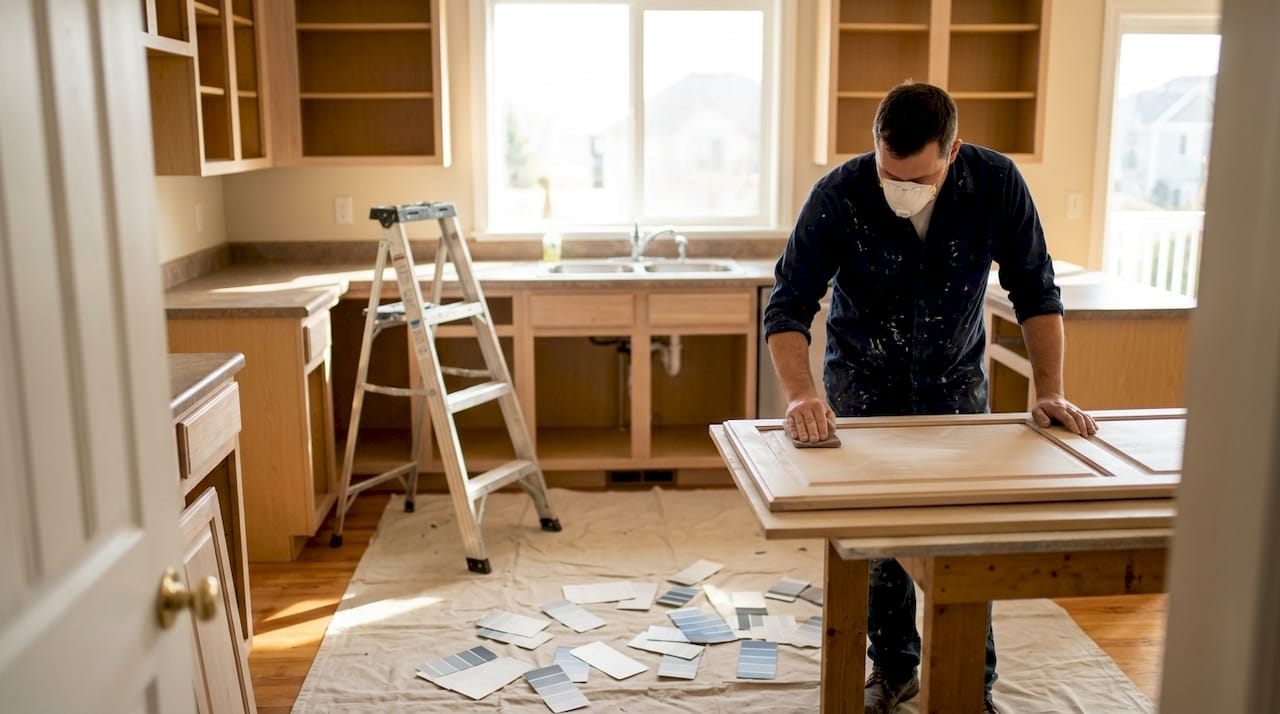
Many Ottawa homeowners believe new cabinets are the only path to an affordable, high-quality kitchen transformation. That assumption costs thousands more than necessary and adds weeks of disruption. Refinishing delivers dramatic results in 7 to 10 days at a fraction of replacement costs, provided your cabinets are structurally sound. This guide clarifies when refinishing makes sense, when replacement is unavoidable, and how to evaluate your specific situation with cost, durability, and ROI data to inform your decision.
Table of Contents
Key takeaways
Point | Details |
Refinishing costs less | Refinishing saves thousands compared to new cabinets and completes in 7 to 10 days instead of 4 to 6 weeks. |
Durability varies by method | Professional refinishing lasts 6 to 12 years with proper prep; new cabinets last 20+ years. |
ROI favors refinishing | Minor updates return 75 to 96% ROI versus 50 to 70% for full remodels. |
Condition determines choice | Structurally sound cabinets suit refinishing; rot, warping, or layout changes require replacement. |
Refacing is a middle option | Refacing replaces doors and veneers for $5,000 to $12,000, offering style updates without full replacement. |
Understanding the refinishing process and timeline
Refinishing transforms existing cabinets through a multi-step process designed for durability and visual appeal. The work begins with deep cleaning and degreasing, removing years of cooking residue that would otherwise prevent paint adhesion. Professionals then sand surfaces to create texture for primer bonding, apply high-quality primer, add multiple coats of premium paint or stain, and finish with a protective topcoat. This systematic approach ensures the new finish resists chipping and peeling far longer than quick DIY attempts.
The entire refinishing timeline typically spans 7 to 10 days, dramatically shorter than the 4 to 6 weeks required for new cabinet installation. Homeowners experience minimal disruption because cabinets remain in place throughout the process. You can often continue using your kitchen with minor adjustments, avoiding the complete teardown and reconstruction that accompanies replacement projects. This speed advantage matters enormously for families who depend on their kitchen daily and cannot afford extended downtime.
Quality materials separate professional refinishing from budget shortcuts. Premium paints and stains resist moisture, heat, and daily wear far better than standard products. Multiple thin coats build a smooth, durable finish that mimics factory-applied surfaces. The protective topcoat adds an extra defense layer against scratches and stains, extending the finish lifespan significantly. Skipping any step in this sequence, particularly degreasing or sanding, virtually guarantees premature failure.
Pro Tip: Never rush the drying time between coats. Proper curing prevents soft spots that attract damage and ensures each layer bonds correctly to the one beneath it.
Preparation determines refinishing success more than any other factor. Inadequate cleaning leaves grease films that cause paint to peel within months. Insufficient sanding creates smooth spots where primer cannot grip, leading to flaking. Professional refinishers invest substantial time in prep work precisely because it prevents the most common failure modes. When you see refinishing projects fail early, poor preparation is almost always the culprit.
New cabinets: cost, durability, and disruption to expect
New cabinet installation represents a substantial investment that delivers decades of service when properly maintained. Quality cabinets constructed from solid wood or high-grade plywood typically last 20 years or longer, far exceeding the 6 to 12 year lifespan of refinished surfaces. This longevity justifies the higher cost for homeowners planning to stay in their homes long-term or those requiring structural improvements that refinishing cannot address. The durability advantage becomes particularly relevant in high-use kitchens where wear accelerates.
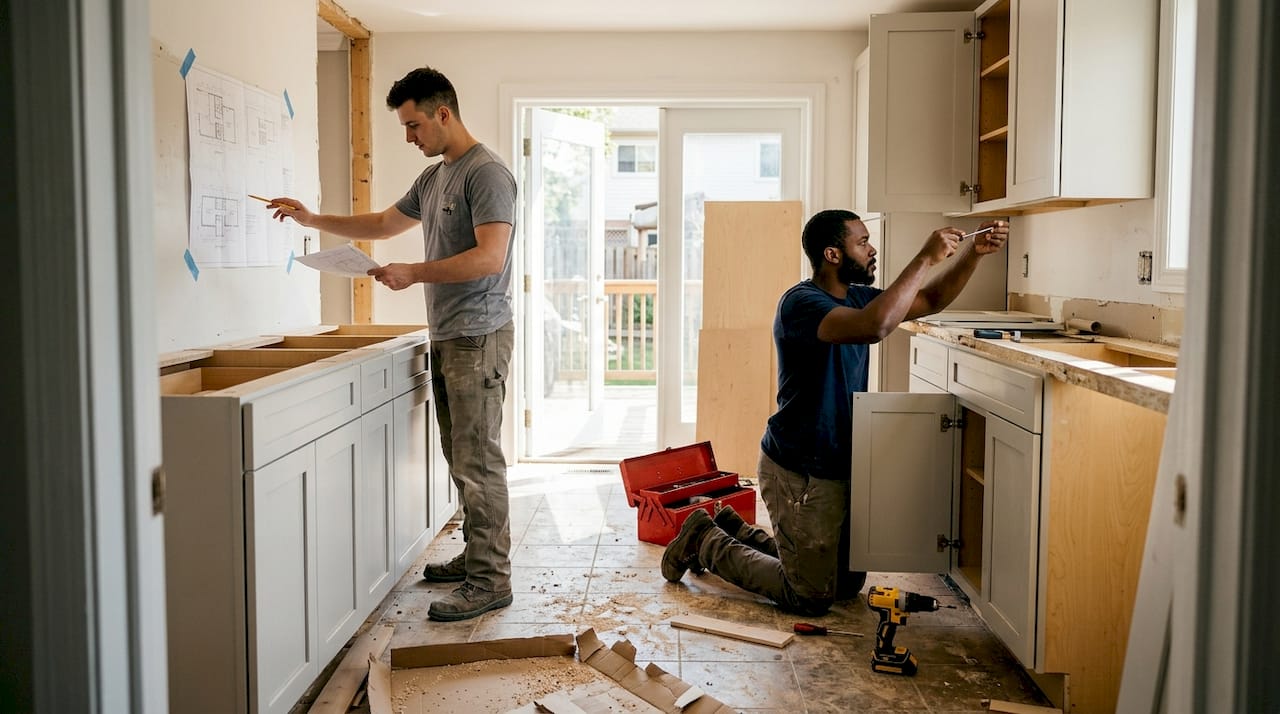
Installation requires 4 to 6 weeks of active construction that transforms your kitchen into a work zone. Contractors remove existing cabinets completely, often discovering and addressing hidden issues like water damage or outdated wiring. They install new boxes, hang doors, fit drawers, and integrate hardware, all while your kitchen remains largely unusable. Many families resort to temporary cooking arrangements in other rooms or rely heavily on takeout during this period. The disruption extends beyond meal preparation to include noise, dust, and constant contractor presence.
Costs escalate quickly with new cabinets due to multiple expense categories. The cabinetry itself ranges from affordable stock options to premium custom builds, with prices varying by material quality, construction method, and design complexity. Labor charges for removal, installation, and finishing add thousands more. Additional expenses emerge when layout changes require plumbing or electrical modifications. The total investment often reaches five figures, making new cabinets substantially more expensive than refinishing or refacing alternatives.
New cabinets uniquely enable design transformations impossible with refinishing. You can reconfigure layouts to improve workflow, add storage capacity with different cabinet sizes, update to modern styles like shaker or flat-panel doors, and select entirely new finishes or wood species. These changes let you adapt your kitchen to evolving needs rather than working within existing constraints. Homeowners who have outgrown their current layout or want contemporary aesthetics find this flexibility invaluable.
“The longevity and design flexibility of new cabinets justify the expense and disruption when structural changes are necessary or when homeowners plan to remain in their homes for decades.”
Many homeowners weigh the disruption and cost against the benefits of starting fresh. New cabinets eliminate concerns about hidden damage in existing boxes and provide warranty protection for materials and workmanship. The peace of mind from knowing your cabinets will perform reliably for 20-plus years appeals to those who view their kitchen as a long-term investment. However, this peace comes at the price of significant upheaval and substantially higher costs compared to refinishing.
Refinishing vs replacement: cost effectiveness and ROI comparison
Financial considerations drive most kitchen upgrade decisions, making cost and return on investment critical comparison factors. Refinishing typically costs a fraction of new cabinet installation, often saving $10,000 or more on equivalent transformations. This dramatic price difference stems from preserving existing cabinet boxes and avoiding demolition, disposal, and reconstruction expenses. Homeowners who prioritize budget efficiency while achieving visual transformation find refinishing delivers unmatched value.
Return on investment data reveals refinishing’s financial advantage for most situations. Minor kitchen updates including refinishing return 75 to 96% of invested costs at resale, substantially higher than the 50 to 70% returns typical of major remodels. This difference reflects buyer preferences for updated appearances without paying premium prices for complete renovations. Sellers who refinish cabinets before listing often recoup nearly all costs while making their kitchens more competitive in the market.
Pro Tip: Calculate your break-even timeline by dividing refinishing costs by annual savings versus replacement. If you plan to sell within that timeframe, refinishing almost always offers superior ROI.
Replacement costs vary widely based on cabinet quality, kitchen size, and design complexity, but rarely fall below $15,000 for full installations. Premium materials and custom work push totals above $30,000 in many Ottawa kitchens. These figures include cabinetry, labor, hardware, and finishing, but exclude countertops, backsplashes, or appliances often updated simultaneously. The investment makes financial sense primarily when cabinets are damaged beyond repair or when layout changes are essential for functionality.
Refacing occupies the middle ground between refinishing and replacement, typically costing $5,000 to $12,000 for average kitchens. This option replaces cabinet doors and drawer fronts while applying new veneer to visible box surfaces, updating appearance without full reconstruction. Refacing suits homeowners who want style changes but have structurally sound boxes. The cost and disruption exceed refinishing but remain far below replacement, making refacing attractive when refinishing cannot achieve desired aesthetic goals.
Option | Typical Cost | Timeline | Lifespan | Best For |
Refinishing | $3,000 to $8,000 | 7 to 10 days | 6 to 12 years | Sound cabinets, budget priority |
Refacing | $5,000 to $12,000 | 2 to 3 weeks | 10 to 15 years | Style update, moderate budget |
Replacement | $15,000 to $30,000+ | 4 to 6 weeks | 20+ years | Damage, layout changes |
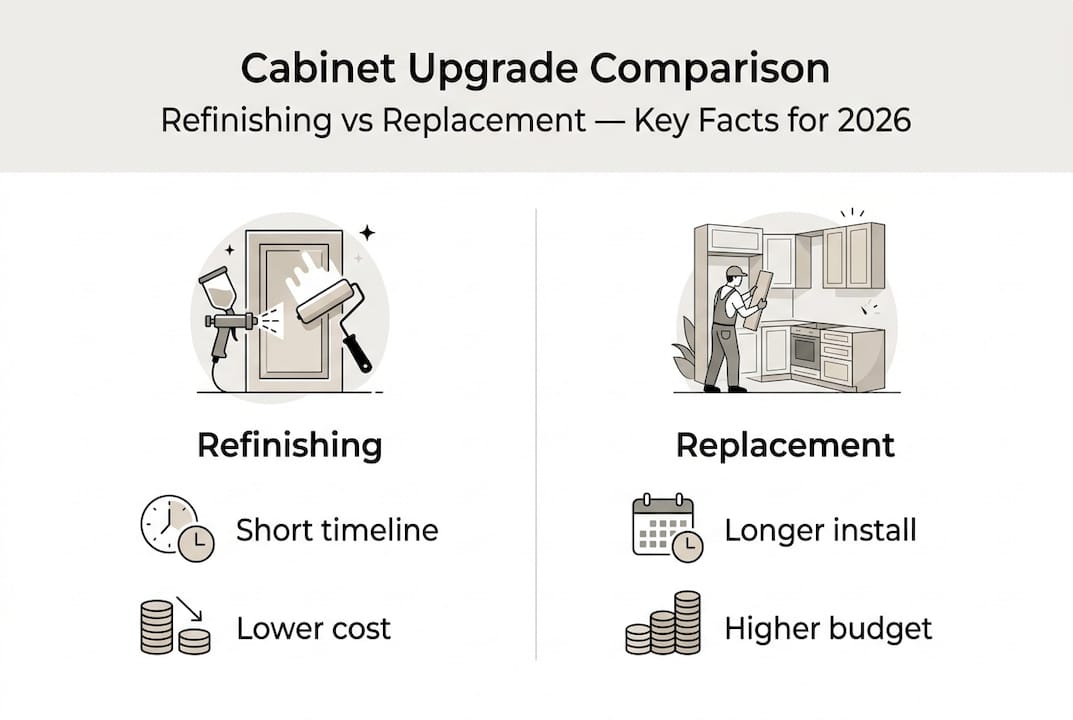
Consider your cabinet condition, available budget, and long-term plans when evaluating these options. Refinishing maximizes value when cabinets are structurally sound and you want updated appearance without major expense. Replacement becomes necessary when damage compromises integrity or when you need layout modifications. Refacing bridges the gap for homeowners wanting more than refinishing offers but less than replacement costs. Your specific situation determines which option delivers the best financial outcome.
Is refinishing right for your cabinets? Key considerations and alternatives
Structural assessment determines whether refinishing is viable or replacement becomes necessary. Inspect cabinet boxes carefully for rot, particularly around sink bases where water exposure is highest. Check for warping that prevents doors from closing properly or creates visible gaps. Examine joints for looseness or separation that indicates structural failure. Any of these conditions means refinishing cannot solve underlying problems and replacement is the only safe, durable solution.
Cabinet material quality significantly impacts refinishing success. Solid wood and high-quality plywood accept new finishes beautifully and provide stable surfaces for paint adhesion. Particleboard and low-grade materials respond poorly to refinishing because sanding can damage surfaces and moisture from paint can cause swelling. Laminate cabinets require special primers and techniques that do not always produce satisfactory results. Understanding your cabinet construction helps you set realistic expectations about refinishing outcomes.
Design goals beyond color changes typically require alternatives to refinishing. If you want different door styles, updated hardware placement, or modified cabinet sizes, refinishing cannot deliver those transformations. Similarly, layout changes to improve workflow or add storage capacity demand new cabinet installation. Refinishing excels at updating appearance within existing design parameters but cannot alter fundamental structure or configuration.
Refacing provides a middle path when you want style updates without full replacement costs and disruption. The process replaces all doors and drawer fronts with new components in your chosen style and finish. Contractors apply matching veneer to visible cabinet box surfaces, creating a cohesive updated look. Hardware gets replaced as part of the package. Refacing costs $5,000 to $12,000 for typical kitchens and completes in 2 to 3 weeks, offering substantial savings versus replacement while enabling more design flexibility than refinishing allows.
Refinishing suits cabinets with sound structure, good materials, and no layout change needs
Replace when rot, warping, or poor materials compromise cabinet integrity
Choose refacing for style updates with moderate budget and timeline constraints
Evaluate long-term plans to determine whether refinishing lifespan meets your needs
Maintaining refinished cabinets properly extends their lifespan and preserves appearance. Clean with gentle, non-abrasive products that do not strip protective topcoats. Wipe spills immediately to prevent moisture penetration. Avoid harsh chemicals and abrasive scrubbers that scratch finishes. These simple practices help refinished cabinets reach or exceed their expected 6 to 12 year lifespan.
Assessment Factor | Refinishing | Refacing | Replacement |
Structural condition | Sound boxes required | Sound boxes required | Any condition |
Material quality | Solid wood or plywood | Solid wood or plywood | Any material |
Design changes | Color only | Doors, style, hardware | Complete flexibility |
Layout modifications | Not possible | Not possible | Fully customizable |
Upgrade your kitchen affordably with Ottawa Cabinet Painting
Ottawa Cabinet Painting specializes in professional cabinet refinishing that transforms kitchens without the expense and disruption of replacement. Our meticulous process includes thorough preparation, premium materials, and multiple coats applied by experienced craftspeople who understand how to achieve factory-quality finishes. We complete most projects in 7 to 10 days, minimizing the impact on your daily routine while delivering results that last years.
Our interior cabinet painting services focus on quality over speed, using techniques that ensure durability and visual appeal. We never cut corners on preparation because we know it determines long-term success. Explore our before and after gallery to see the dramatic transformations we have created for Ottawa homeowners. Ready to upgrade your kitchen affordably? Request a free quote and discover how professional refinishing can deliver the results you want within your budget.
FAQ about refinishing vs new cabinets
How long does cabinet refinishing take?
Professional refinishing typically requires 7 to 10 days from start to finish, including preparation, painting, and curing time. This timeline is dramatically shorter than the 4 to 6 weeks needed for new cabinet installation. Most homeowners can continue using their kitchens with minor adjustments during the refinishing process.
How long does cabinet refinishing last?
Professional refinishing lasts 6 to 12 years when proper preparation and quality materials are used. Lifespan depends heavily on prep work quality, paint grade, and maintenance practices. Proper cleaning and avoiding harsh chemicals extend the finish significantly.
Can refinishing fix damaged cabinets?
Refinishing cannot repair structural damage like rot or warping. These conditions require cabinet replacement for safety and longevity. Refinishing only works on structurally sound cabinets where the issue is purely cosmetic.
What’s the difference between cabinet refacing and refinishing?
Refinishing involves sanding and painting or staining existing cabinet surfaces to update their appearance. Refacing replaces cabinet doors and drawer fronts while applying new veneer to visible box surfaces. Refacing costs more but enables style changes beyond what refinishing can achieve.
How do I maintain refinished cabinets?
Clean refinished cabinets with gentle, non-abrasive cleaners designed for painted surfaces. Avoid excessive moisture and wipe spills immediately to prevent water penetration. Never use harsh chemicals or abrasive scrubbers that can scratch or dull the protective topcoat.
When is replacement the better option?
Replacement becomes necessary when cabinets show structural damage, rot, or warping that compromises integrity. Choose replacement when you need layout changes, increased storage capacity, or fundamentally different design styles. The higher cost and longer timeline are justified when refinishing cannot address your specific needs.
Recommended

Comments