Paint vs stain cabinets: best finish for Ontario kitchens
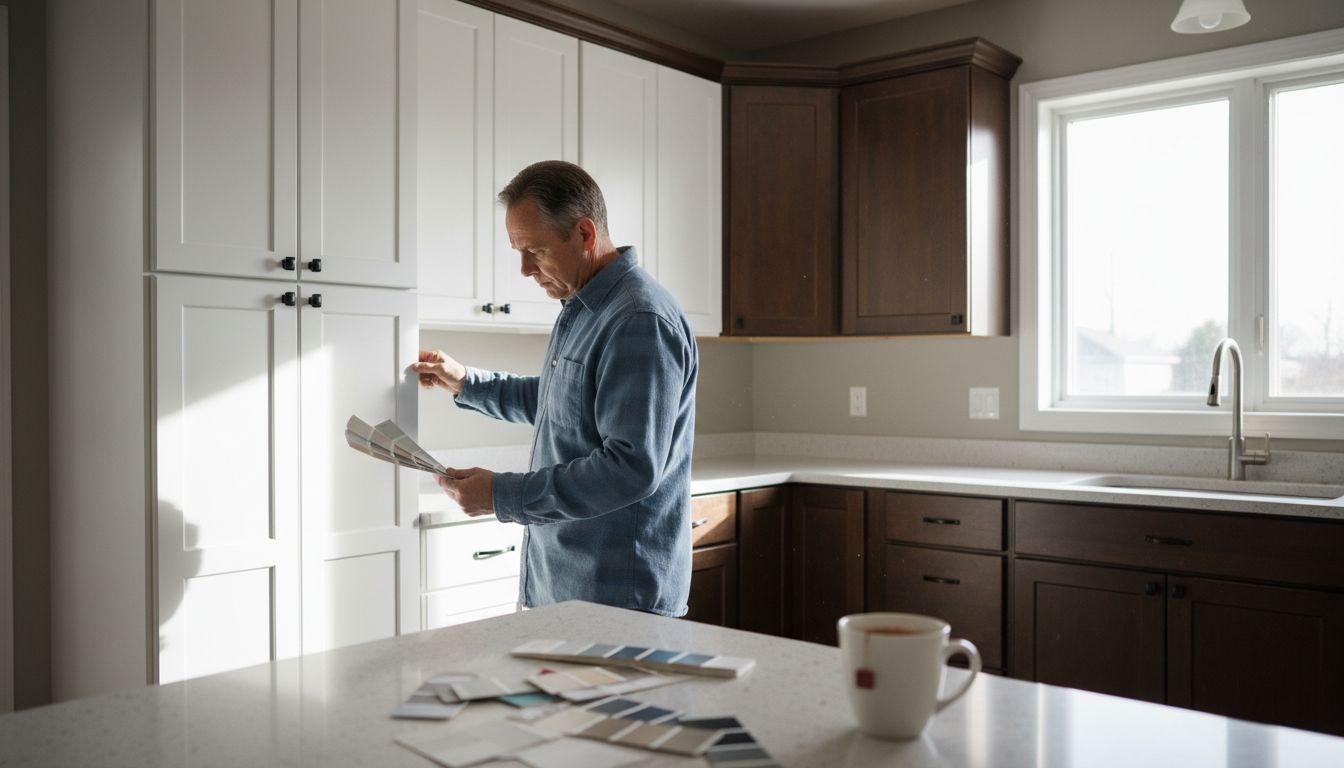
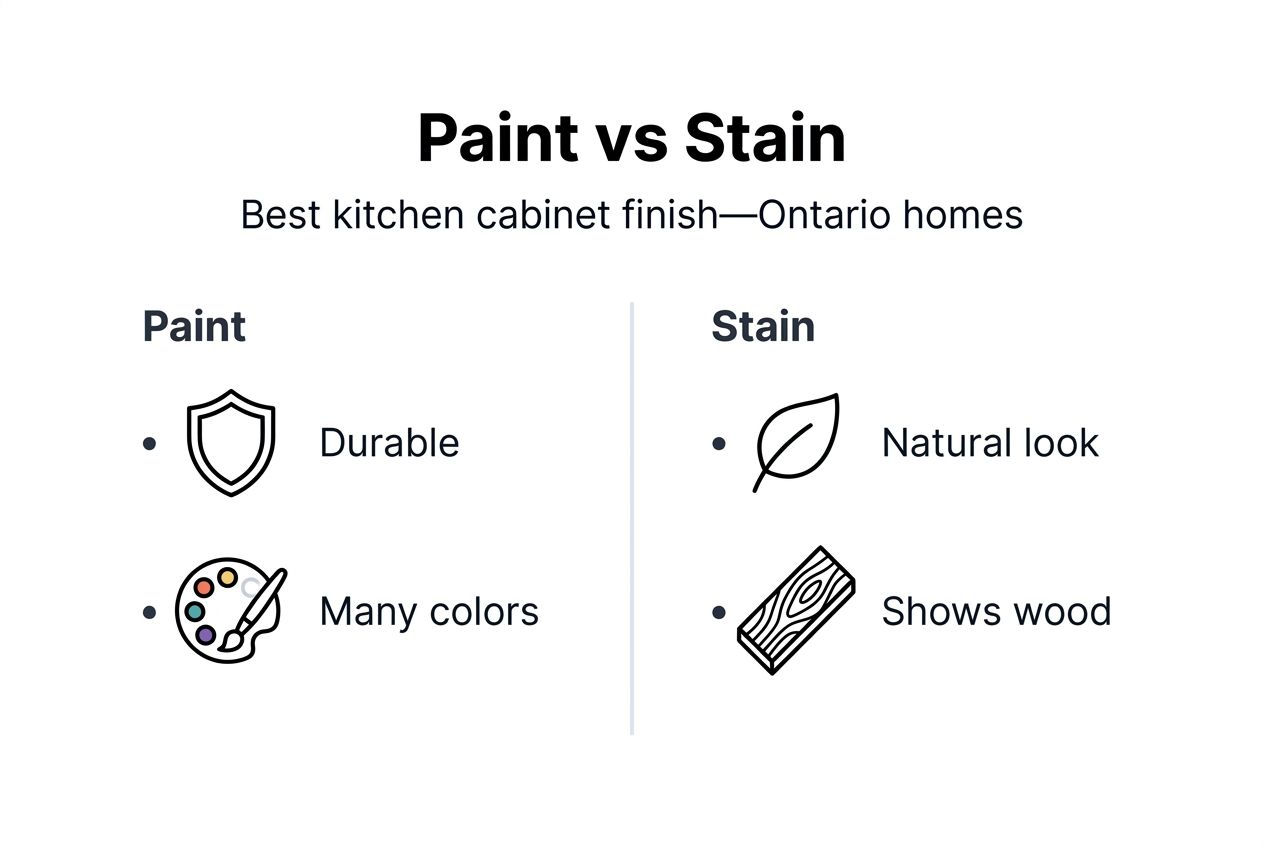
Most Ontario homeowners believe stain lasts longer than paint on kitchen cabinets, but humidity data proves otherwise. Your cabinet finish choice dramatically impacts durability, maintenance costs, and kitchen aesthetics for the next decade. Paint creates moisture-resistant modern looks while stain showcases natural wood character. Each demands different prep work, budgets, and upkeep schedules suited to Ontario’s seasonal climate swings. This guide clarifies exactly when to paint versus stain based on your goals, cabinet condition, and lifestyle needs.
Table of Contents
Understanding The Material And Aesthetic Differences Between Paint And Stain
Process And Timeline Considerations For Cabinet Painting Vs Staining
Durability, Maintenance, And Environmental Factors: What Lasts Longer In Ontario?
Cost Considerations: Budgeting For Paint Vs Stain Refinishing In Ontario
Common Misconceptions Homeowners Have About Painting And Staining Cabinets
Bringing It All Together: Practical Tips For Ontario Homeowners
Upgrade Your Kitchen Cabinets With Expert Refinishing Services
Key takeaways
Point | Details |
Paint offers superior durability | Paint resists Ontario’s humidity and wear, lasting 10-15 years versus 5-8 years for stain. |
Stain highlights natural beauty | Stain penetrates wood to reveal grain patterns, creating warm traditional aesthetics faster than paint. |
Painting costs more upfront | Professional painting runs 20-30% higher than staining due to extensive prep and materials. |
Ontario climate favors paint | Seasonal temperature and moisture fluctuations accelerate stain aging more than painted finishes. |
Professional application reduces risks | Experts deliver warranty-backed results, avoiding common DIY failures from improper prep or technique. |
Understanding the material and aesthetic differences between paint and stain
Paint and stain interact with wood in fundamentally different ways. Paint forms an opaque coating that sits on the cabinet surface, completely covering the wood grain and allowing any color imaginable. You can choose glossy, satin, or matte sheens to match modern kitchen trends. Stain penetrates the wood fibers, enhancing natural grain patterns and texture while adding color depth. The wood’s character remains visible, creating organic warmth.
These technical differences drive aesthetic results. Paint suits contemporary, transitional, and modern farmhouse kitchens where clean lines and bold colors dominate. White, gray, navy, and sage green painted cabinets brighten spaces and make small kitchens feel larger. Stain works beautifully in traditional, rustic, and craftsman-style kitchens where natural materials anchor the design. Rich walnut, honey oak, and espresso stains add classic elegance.
Your finish choice impacts perceived kitchen value and ambiance. Painted cabinets photograph well for resale and appeal to broader buyer demographics. Stained cabinets attract buyers seeking timeless character and wood authenticity. Consider how painting vs staining differences affect your home’s style:
Paint conceals wood species variations and imperfections seamlessly
Stain requires higher-grade wood to showcase attractive grain
Paint updates outdated oak or pine cabinets to contemporary looks
Stain maintains wood’s natural texture and organic feel
Painted finishes create uniform, cohesive kitchen palettes
Stained finishes add depth and variation across cabinet faces
Ontario homeowners often explore Ottawa cabinet finishing options to match regional design preferences. Paint dominates urban kitchens seeking modern minimalism. Stain remains popular in suburban homes with traditional architecture. Your cabinet material, existing kitchen style, and personal taste should guide this foundational decision before considering process or cost factors.
Process and timeline considerations for cabinet painting vs staining
The refinishing journey differs significantly between paint and stain applications. Painting demands meticulous surface preparation to achieve smooth, professional results. You must remove cabinet doors and hardware, thoroughly clean surfaces to eliminate grease, sand existing finishes to create adhesion, apply primer coats, sand between primer and paint layers, then apply multiple topcoats. Each step requires drying time. Professional painting typically spans 7 to 10 days.
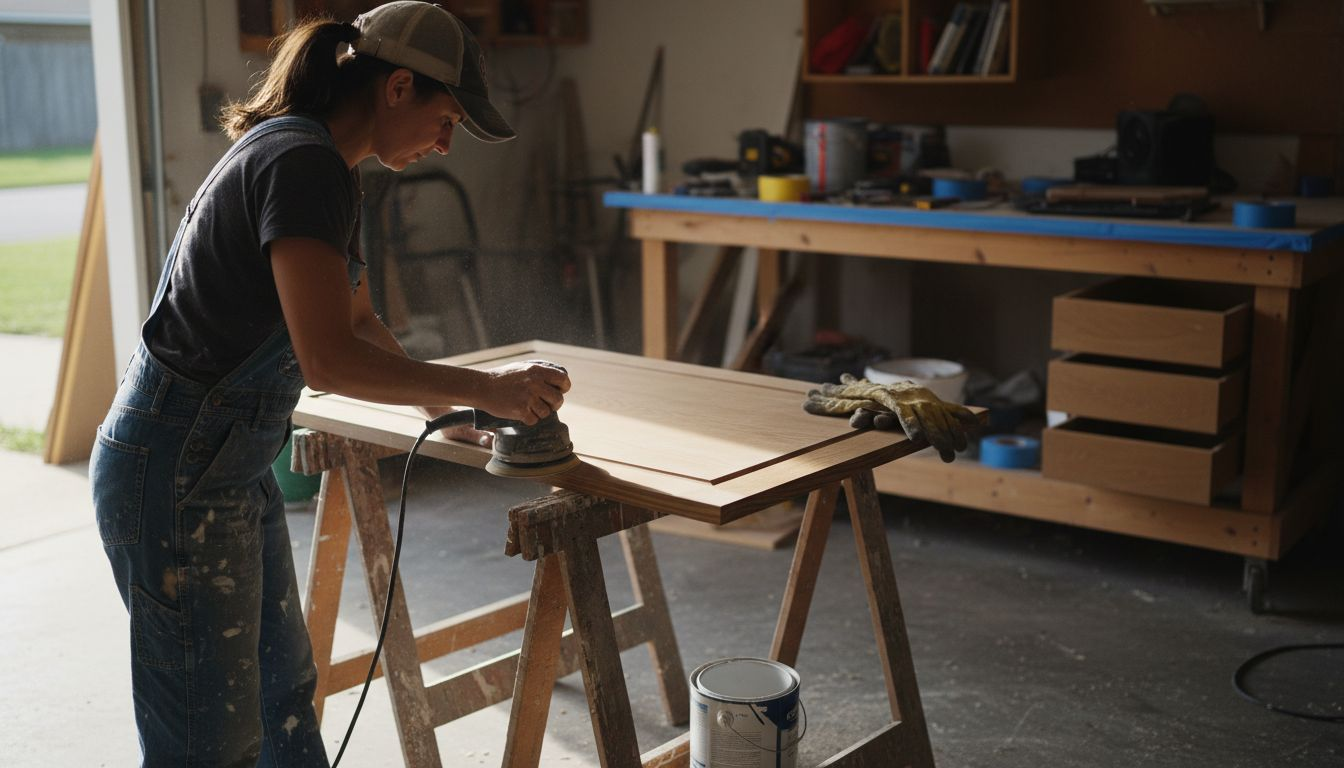
Staining involves less intensive prep work. After cleaning and light sanding, you apply stain directly to raw or previously stained wood. Fewer coats mean faster completion, usually 5 to 7 days. The process reduces household disruption by about 30% compared to painting. However, staining demands consistent application technique to avoid blotching and uneven color absorption.
Pro Tip: Schedule refinishing during mild weather months when you can open windows for ventilation without extreme temperature swings affecting drying times.
DIY attempts frequently fail due to inadequate prep, improper product selection, or poor application technique. Brush marks, drips, adhesion failures, and uneven finishes plague amateur projects. Painting over stained cabinets requires especially careful prep to prevent tannin bleed-through and bonding issues. Professional services eliminate these risks through:
Industrial-grade surface cleaning and degreasing equipment
Precise sanding to optimal grit levels for maximum adhesion
Climate-controlled spray booths for flawless finish application
Premium products engineered for cabinet durability
Warranty coverage protecting your investment
Planning for kitchen access during the project matters significantly. Most refinishers work in stages, keeping some cabinets functional while others cure. You’ll need temporary food storage and meal preparation alternatives. Discuss timeline expectations and household accommodations with contractors before starting. Finding quality cabinet staining near me ensures local expertise familiar with Ontario climate challenges and efficient project management that minimizes disruption to your daily routine.
Durability, maintenance, and environmental factors: what lasts longer in Ontario?
Ontario’s seasonal climate creates unique challenges for cabinet finishes. Summer humidity, winter dryness, and temperature fluctuations stress wood and coatings. Painted cabinets resist water and wear better than stained surfaces in these conditions, extending their lifespan significantly. Paint creates a protective barrier that shields wood from moisture penetration, preventing warping and swelling.
Stain enhances wood beauty but offers less physical protection. Moisture infiltrates stained surfaces more easily, accelerating finish degradation. Ontario homeowners typically refinish stained cabinets every 5 to 8 years, while painted cabinets maintain their appearance for 10 to 15 years. Premium acrylic enamel finishes offer 6-year warranties reflecting superior durability under normal household use.
Finish Type | Typical Lifespan | Maintenance Frequency | Humidity Resistance | Repair Ease |
Paint | 10-15 years | Touch-ups every 3-5 years | Excellent | Simple spot repairs |
Stain | 5-8 years | Refinish every 5-8 years | Moderate | Full refinish needed |
Environmental considerations influence finish selection too. Traditional oil-based paints and stains emit volatile organic compounds (VOCs) that affect indoor air quality. Modern low-VOC and zero-VOC formulations minimize health impacts while delivering comparable performance. Water-based acrylic paints dominate professional cabinet refinishing for their low emissions, fast drying, and durability.
Pro Tip: Choose best paint brands for cabinets with proven performance in humid climates rather than generic big-box options for lasting results.
Maintenance requirements differ substantially. Painted cabinets tolerate regular cleaning with mild soap and water without finish damage. Stained cabinets need gentler care to prevent color fading and finish erosion. Avoid harsh cleaners on both finishes, but painted surfaces forgive more aggressive scrubbing when needed.
“The right finish protects your investment. Ontario’s climate demands moisture resistance that premium paint delivers better than traditional stain, especially around sinks and dishwashers where humidity concentrates.” — Professional Cabinet Finisher
Warranty coverage reflects these durability differences. Reputable painting contractors offer 5 to 6-year warranties on their work, while staining warranties typically run 2 to 3 years. This gap signals industry confidence in each finish’s longevity under real-world conditions. When evaluating humid climate cabinet finishes, consider total cost of ownership including maintenance frequency and eventual refinishing needs, not just initial application expenses.
Cost considerations: budgeting for paint vs stain refinishing in Ontario
Financial planning shapes your cabinet refinishing decision significantly. Professional painting costs 20% to 30% more than staining due to labor-intensive prep work, multiple product layers, and longer project timelines. A typical Ontario kitchen with 20 linear feet of cabinets runs $3,500 to $5,500 for painting versus $2,800 to $4,200 for staining. These ranges reflect material quality, cabinet condition, and contractor expertise.
Cost Component | Painting | Staining |
Labor | $2,000-$3,500 | $1,500-$2,500 |
Materials | $800-$1,200 | $600-$900 |
Prep work | $700-$1,000 | $400-$600 |
Total average | $3,500-$5,500 | $2,500-$4,000 |
Upfront cost differences tempt budget-conscious homeowners toward staining. However, lifecycle economics favor painting when you account for longevity. Stained cabinets requiring refinishing every 6 years cost more over 15 years than painted cabinets lasting the full period. Calculate total ownership costs by dividing project price by expected lifespan years.
Material quality affects both performance and price. Premium paints from Benjamin Moore, Sherwin-Williams, or specialty cabinet lines cost more but deliver superior adhesion, color retention, and durability. Budget stains may save money initially but fade faster and require earlier recoating. Professional contractors access trade-grade products unavailable to DIYers, justifying their service premiums.
DIY refinishing reduces labor costs but increases failure risk. Improper prep causes adhesion problems requiring complete do-overs. Poor application technique creates visible flaws that devalue your kitchen. Most homeowners lack spray equipment for professional-quality finishes. Factor these risks when comparing DIY savings against professional reliability:
DIY paint projects: $800-$1,500 materials plus your labor
DIY stain projects: $500-$1,000 materials plus your labor
Redo costs after DIY failures: $1,500-$3,000 additional
Professional guarantees: Warranty coverage protects your investment
Timing your project strategically saves money. Contractors offer discounts during slower winter months when demand drops. Bundling cabinet refinishing with other interior painting work reduces per-project costs through labor efficiency. Review painting cost estimates 2025 to understand pricing factors before requesting quotes. Compare detailed proposals including prep specifications, product brands, warranty terms, and project timelines. The lowest bid often signals shortcuts that compromise results.
Budget planning should account for kitchen functionality during work. You may need temporary appliance access, alternative meal preparation spaces, or dining out expenses. These indirect costs add $200 to $500 to project budgets but preserve household sanity. Understanding kitchen cabinet remodel costs Ottawa provides context showing refinishing saves 60% to 75% versus full replacement while delivering comparable aesthetic transformation.
Common misconceptions homeowners have about painting and staining cabinets
Myths about cabinet refinishing lead Ontario homeowners toward poor decisions and disappointing results. Clearing these misconceptions helps you approach your project with realistic expectations and appropriate planning. Many beliefs stem from outdated information or anecdotal experiences that don’t reflect modern products and professional techniques.
The biggest misconception claims stain always lasts longer than paint. This made sense decades ago when paint formulations were less advanced. Today’s acrylic enamels surpass traditional stain durability, especially in Ontario’s humid climate. Moisture penetrates stained wood more easily, causing premature aging and requiring earlier refinishing. Paint’s protective barrier extends cabinet life significantly.
Another common myth suggests painting cabinets is an easy DIY weekend project. Reality proves far more challenging. Professional results require specialized equipment, climate control, proper ventilation, and refined technique developed over years. Brush marks, drips, uneven coverage, and adhesion failures plague amateur attempts. Most DIY cabinet painting projects fail to meet homeowner expectations, necessitating costly professional fixes.
Homeowners often believe stain requires minimal surface prep because it penetrates wood. Actually, proper staining demands thorough cleaning, strategic sanding, and sometimes wood conditioning to prevent blotching. Skipping prep creates uneven color absorption and splotchy finishes. Painting over stained cabinets guide explains how previous finishes complicate new applications without meticulous preparation.
Other persistent misconceptions include:
Paint always looks thick and artificial compared to stain
Stain is more environmentally friendly than paint
You can paint over stain without special prep work
All cabinet paints perform equally well
Stain hides wood imperfections better than paint
Pro Tip: Trust material science over folk wisdom. Modern cabinet coatings undergo rigorous testing for adhesion, flexibility, and moisture resistance that far exceeds traditional products your parents used.
The truth is that paint conceals imperfections while stain highlights them. Damaged wood, scratches, and dents disappear under paint but remain visible through stain. Environmental impacts depend on product formulation, not finish type. Low-VOC paints and stains both exist. Quality matters more than category. Premium products in either finish outperform budget alternatives significantly. Understanding these realities helps you make informed choices aligned with your cabinets’ actual condition and your authentic style preferences.
Bringing it all together: practical tips for Ontario homeowners
Making your final decision requires synthesizing aesthetics, durability, budget, and lifestyle factors specific to your situation. This framework guides you toward the optimal choice for your Ontario kitchen based on real-world priorities and constraints. Start by honestly assessing your cabinets’ current condition and your goals for the space.
Follow this decision-making process:
Evaluate cabinet material and condition. Solid wood in good shape suits either finish. Veneer or laminate cabinets require paint. Heavily damaged wood needs paint to conceal flaws.
Define your style vision. Modern aesthetics favor paint’s clean uniformity. Traditional designs benefit from stain’s natural warmth. Review inspiration photos to clarify preferences.
Consider durability needs. High-traffic kitchens with kids need paint’s moisture resistance. Low-use spaces can accommodate stain’s shorter lifespan.
Set realistic budgets. Include maintenance costs over 10 years, not just upfront expenses. Paint costs more initially but less over time.
Plan timing strategically. Schedule during mild weather for optimal drying. Allow proper project duration, don’t rush quality work.
Choose professional services for best results. Warranties protect your investment. Expert application prevents costly failures.
Pro Tip: Photograph your kitchen from multiple angles before deciding. Digital visualization tools help compare painted versus stained outcomes, clarifying your aesthetic preferences before committing.
Ontario’s climate considerations should influence your choice. Paint handles seasonal humidity swings better than stain. If your kitchen experiences condensation from cooking or lacks proper ventilation, paint provides superior protection. Stain works in climate-controlled homes with excellent air circulation and lower moisture exposure.
Cabinet location matters too. Perimeter cabinets near exterior walls face greater temperature fluctuations than island cabinets. Sink base cabinets endure more water exposure than upper cabinets. Paint protects high-risk zones better. You can strategically combine finishes, painting vulnerable lower cabinets while staining protected uppers, though this approach increases complexity.
Don’t overlook resale implications. Painted cabinets appeal to broader buyer demographics and photograph better for listings. Stained cabinets attract specific buyers who value wood character. If selling within five years, paint offers wider market appeal. For long-term homes, choose based on personal preference rather than resale speculation. Learning from Ontario cabinet refinishing tips helps apply regional expertise to your unique situation.
Upgrade your kitchen cabinets with expert refinishing services
Transform your Ontario kitchen with professional cabinet refinishing tailored to local climate demands and style preferences. Expert painters deliver durable, beautiful results that withstand humidity and temperature swings while maintaining flawless appearance for years. Our meticulous process includes thorough surface prep, premium product application, and quality control that DIY projects can’t match. We minimize household disruption through efficient scheduling and careful workspace management. A 6-year warranty backs every project, giving you confidence in lasting value.
Explore our comprehensive interior cabinet painting services designed specifically for Ontario homes. Request detailed cabinet spray painting quotes customized to your kitchen’s unique requirements and style goals. Browse stunning cabinet refinishing before and after galleries showing real transformations in local kitchens. Professional refinishing delivers the high-end look you want without full replacement costs or extended construction chaos. Let experienced specialists handle your cabinet upgrade for beautiful, durable results you’ll love every day.
Frequently asked questions about paint vs stain cabinets
How long do painted versus stained cabinets last in Ontario’s climate?
Painted cabinets typically last 10 to 15 years in Ontario homes before needing refinishing, while stained cabinets require recoating every 5 to 8 years. Ontario’s seasonal humidity and temperature swings stress cabinet finishes, with paint’s moisture barrier protecting wood better than stain’s penetrating formula.
What surface preparation differences exist between painting and staining cabinets?
Painting demands extensive prep including thorough degreasing, sanding to bare wood or creating adhesion surface, filling imperfections, and applying primer coats. Staining requires cleaning and light sanding but fewer steps overall. Painting takes longer but creates more durable results, while staining completes faster with less intensive labor.
When should I hire professionals instead of DIY cabinet refinishing?
Hire professionals if you want warranty protection, lack spray equipment, have limited time, or need guaranteed results for resale. DIY works only if you have experience, proper tools, climate-controlled workspace, and tolerance for potential failures. Most homeowners underestimate complexity, making professional services worthwhile for quality and reliability.
Are painted or stained cabinets more environmentally friendly?
Environmental impact depends on product formulation, not finish type. Low-VOC and zero-VOC options exist for both paint and stain. Water-based acrylic paints generally emit fewer harmful compounds than traditional oil-based stains. Choose certified green products regardless of whether you paint or stain for minimal environmental and health impacts.
What maintenance do painted versus stained cabinets require?
Painted cabinets tolerate regular cleaning with mild soap and water, requiring touch-ups every 3 to 5 years for high-wear areas. Stained cabinets need gentler cleaning to preserve color and finish, with complete refinishing necessary every 5 to 8 years. Paint handles moisture exposure and daily wear better, reducing ongoing maintenance demands compared to stain.
Recommended

Comments