How long does cabinet painting last: durability guide

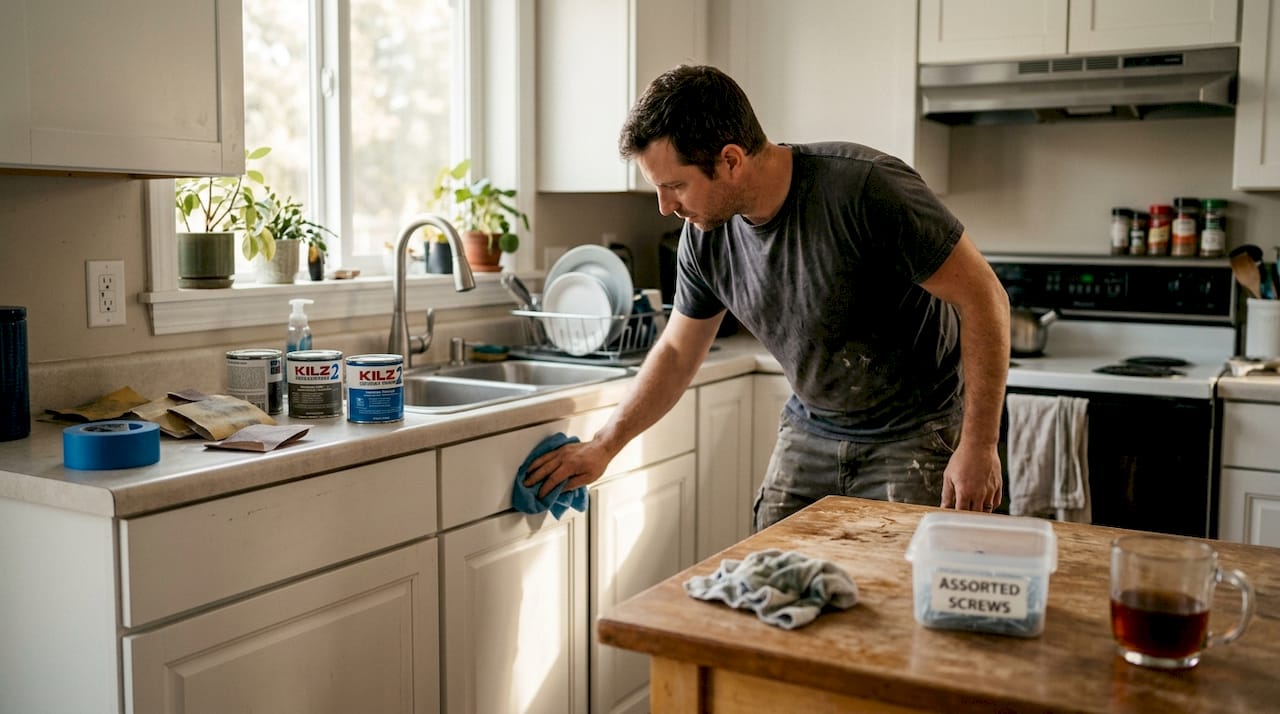
Most homeowners believe painted cabinets only last a few years before looking worn and dated. That’s a costly misconception. With proper preparation, quality materials, and regular care, professionally painted cabinets can maintain their beauty and durability for 7 to 15 years or longer. The lifespan of your cabinet painting depends on several controllable factors: surface preparation quality, paint type and finish selection, application technique, kitchen usage patterns, and ongoing maintenance habits. This guide breaks down exactly what influences cabinet paint longevity, how professional and DIY results compare, and the practical steps Ottawa homeowners can take to maximize their investment in cabinet refinishing.
Table of Contents
Key Takeaways
Point | Details |
Surface prep matters | Proper cleaning, sanding, priming, and sealing create a durable base for cabinet paint. |
Premium paints last longer | Quality cabinet specific paints can last 10 to 15 years under normal conditions with proper care. |
Finish choice matters | Finish selection affects durability and maintenance, with matte finishes hiding flaws and high gloss offering the most durability. |
Professional results last longer | Professionally painted cabinets typically last 8 to 15 years with proper care, compared with 3 to 7 years for DIY projects. |
What affects how long your cabinet painting lasts
The durability of painted cabinets isn’t random. Several specific factors determine whether your cabinets look fresh for 5 years or 15 years. Understanding these variables helps you make informed decisions about materials, methods, and care.
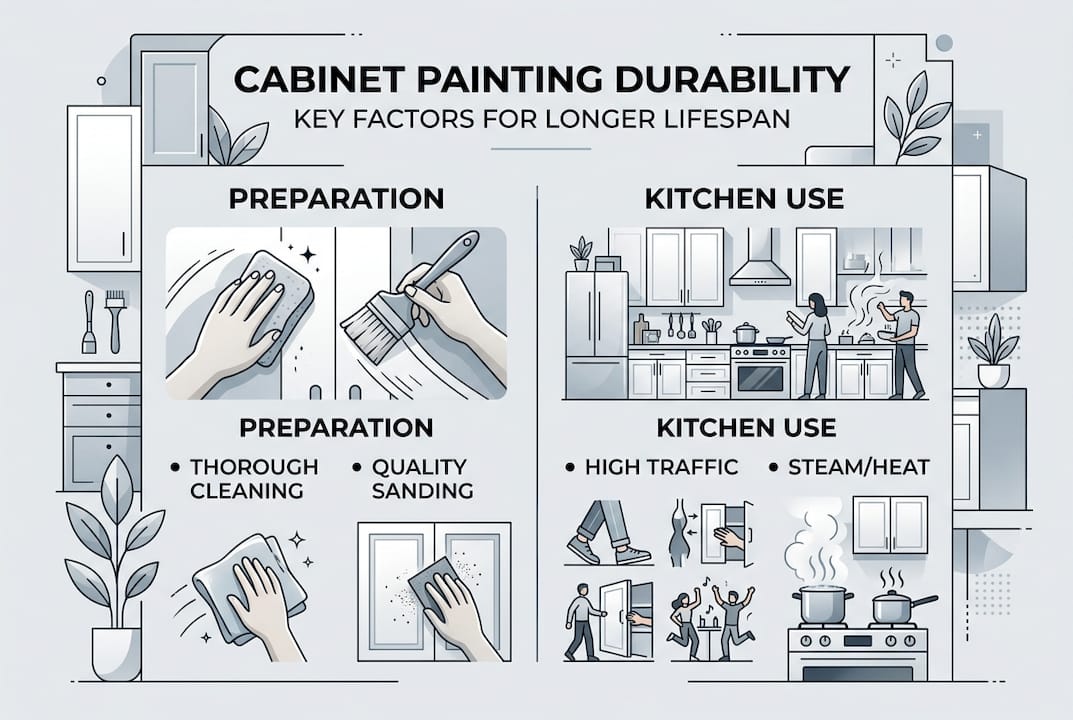
Surface preparation stands as the single most critical factor. Proper surface preparation and high-quality durable paint can significantly extend the lifespan of cabinet painting. Thorough cleaning removes grease and cooking residue that prevent paint adhesion. Sanding creates microscopic texture for paint to grip. Priming seals the wood and provides a uniform base coat. Skipping or rushing any of these steps creates weak points where paint will chip, peel, or yellow prematurely.
Paint type makes an enormous difference in longevity. Alkyd paints offer superior hardness and durability compared to standard latex options. They resist scratches, moisture, and the constant opening and closing that cabinets endure. Water-based acrylic-alkyd hybrids combine durability with easier cleanup and lower odor. Budget paints may cost less initially but often require repainting within 3 to 5 years. Premium cabinet-specific paints can last 10 to 15 years under normal conditions.
Finish selection impacts both appearance and wear resistance:
Matte and flat finishes hide imperfections but show fingerprints and are harder to clean
Satin finishes balance aesthetics with moderate durability and cleanability
Semi-gloss finishes resist moisture and scrubbing, ideal for high-use kitchens
High-gloss finishes provide maximum durability but highlight every surface imperfection
Kitchen usage patterns directly influence paint lifespan. Cabinets near the stove face heat, grease, and steam daily. Frequently opened doors and drawers experience more mechanical stress. Homes with children or pets see more impacts and spills. A lightly used kitchen in a couple’s home will preserve paint far longer than a busy family kitchen with constant meal preparation.
Environmental factors matter too. Ottawa’s humidity fluctuations and temperature swings stress cabinet finishes. Poor ventilation traps moisture and cooking fumes. Direct sunlight through windows can fade or yellow certain paint colors over time.
Pro Tip: Install soft-close hinges and drawer slides to reduce the impact stress that causes paint to chip at edges and corners. This simple upgrade can add years to your cabinet finish.
Comparing professional cabinet painting and DIY: lifespan and quality
The gap between professional and DIY cabinet painting results is substantial. Professional cabinet painting typically lasts longer than DIY due to superior prep and application techniques. Understanding these differences helps you weigh the true cost versus value.
Professionally painted cabinets typically last 8 to 15 years with proper care. DIY projects often show wear within 3 to 7 years. This disparity stems from several technical advantages professionals bring to the project.
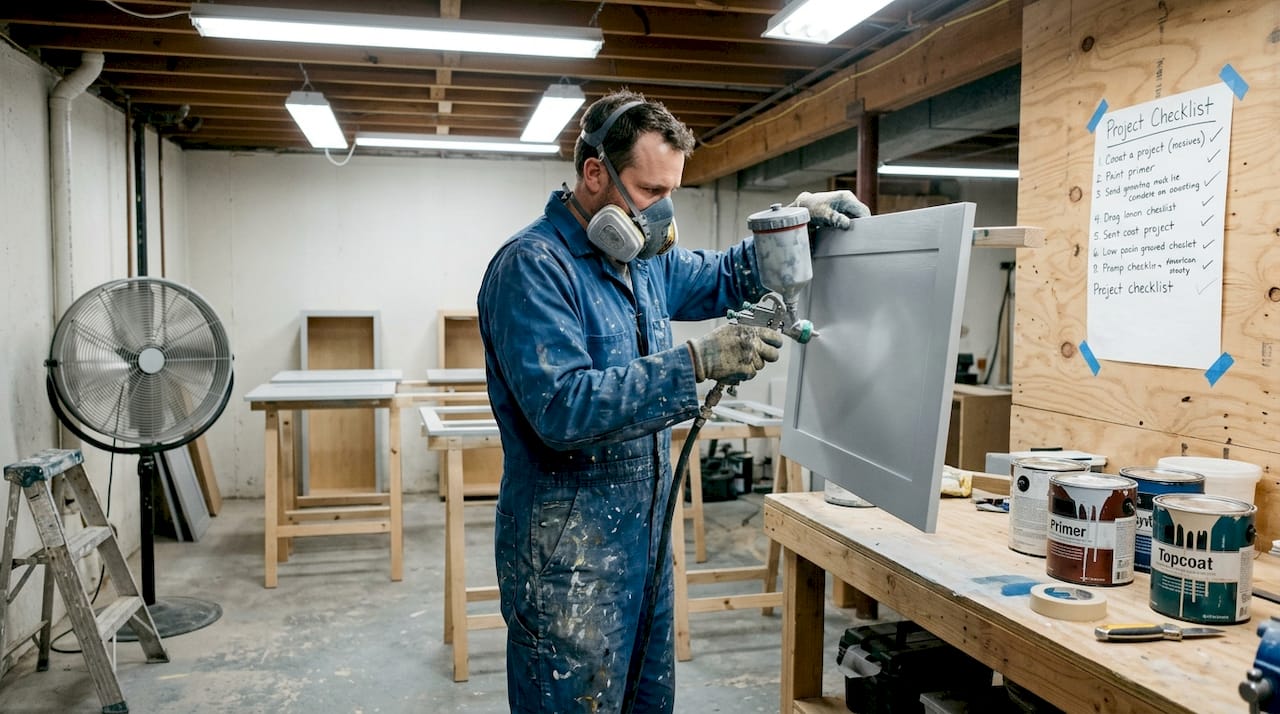
Spray application creates a factory-smooth finish without brush marks or roller texture. The even coat thickness prevents weak spots where paint might fail. Professional-grade HVLP sprayers atomize paint particles finer than consumer equipment allows. The result is superior adhesion and a harder, more durable surface.
Expert surface preparation makes the difference between paint that bonds permanently and paint that eventually delaminates. Professionals know which cleaning agents dissolve specific contaminants. They understand optimal sanding grit sequences for different wood species and existing finishes. They apply the right primer for each substrate, whether it’s bare wood, laminate, or previously painted surfaces.
Aspect | Professional Painting | DIY Painting |
Typical lifespan | 8-15 years | 3-7 years |
Surface preparation | Multi-step process with commercial cleaners and precise sanding | Often rushed or incomplete |
Application method | HVLP spray for uniform coating | Brush and roller with visible texture |
Paint quality | Premium cabinet-specific formulas | Consumer-grade options |
Cure time | Full cure before reinstallation | Often reinstalled too soon |
Warranty | Typically 5-7 years | None |
Common DIY pitfalls that reduce durability include:
Inadequate degreasing leaves invisible residue that prevents adhesion
Insufficient sanding fails to create proper mechanical bond
Wrong primer choice for the substrate or existing finish
Applying paint in thick coats that never fully cure
Reinstalling hardware and doors before paint fully hardens
Using incorrect paint type for cabinet applications
The cost difference between professional and DIY seems significant initially. A professional cabinet painting project in Ottawa typically costs $3,000 to $7,000 depending on kitchen size and complexity. DIY materials might total $300 to $800. However, when a DIY job needs repainting after 4 years while professional work lasts 12 years, the professional option delivers better value per year of service.
Pro Tip: If budget constraints make DIY necessary, invest in the best possible paint and primer. The $50 difference between premium and budget paint is trivial compared to the time investment of painting cabinets twice.
Maintenance tips to extend your painted cabinets’ life
Regular gentle cleaning and avoiding harsh chemicals prolong cabinet paint life significantly. Simple maintenance habits can add 3 to 5 years to your cabinet finish.
Daily and weekly care prevents buildup that damages paint over time:
Wipe cabinet faces with a soft microfiber cloth dampened with warm water and a drop of mild dish soap
Dry immediately with a clean cloth to prevent water spots and moisture damage
Clean handles and knobs separately since they accumulate oils from hands
Address spills and splatters immediately before they bond to the paint surface
Use a slightly damp cloth for stubborn spots, never scrub aggressively
Open windows or run exhaust fans while cooking to reduce grease and moisture exposure
What to avoid is as important as what to do. Never use abrasive scrubbing pads, scouring powder, or rough sponges on painted cabinets. These scratch the finish and create dull spots. Avoid ammonia-based cleaners, bleach, or harsh degreasers that can discolor or soften paint. Don’t use excessive water or leave surfaces wet. Moisture penetration causes paint to bubble, peel, or delaminate from the substrate.
Address minor damage promptly to prevent escalation. Small chips or scratches expose bare wood to moisture and allow damage to spread. Keep a small container of touch-up paint from your original project. Clean the damaged area, lightly sand if needed, and apply a thin coat of paint with a fine artist’s brush. This prevents a small imperfection from becoming a major repair.
Control your kitchen environment to reduce stress on cabinet finishes. Run your range hood during cooking to exhaust steam and grease-laden air. Maintain consistent indoor humidity between 35% and 50% to prevent wood expansion and contraction that stresses paint. In Ottawa’s dry winters, a humidifier protects both your cabinets and your home’s woodwork. During humid summers, air conditioning or a dehumidifier prevents moisture problems.
Pro Tip: Place small adhesive felt pads on the inside corners of cabinet doors where they contact the frame. This prevents paint-to-paint contact that can cause sticking and damage when doors are opened.
Typical longevity ranges and what to expect from cabinet painting in Ottawa
Setting realistic expectations helps Ottawa homeowners plan their kitchen investments wisely. In climates like Ottawa, professionally painted cabinets usually last 7-15 years with proper care.
The wide range reflects the variables we’ve discussed. A professionally painted kitchen with premium materials, moderate use, and excellent maintenance can look fresh for 12 to 15 years. The same kitchen with budget paint and minimal care might need refinishing after 5 to 7 years. DIY projects with good materials and technique typically last 5 to 8 years, while rushed DIY jobs may fail within 3 to 4 years.
Cabinet Painting Scenario | Expected Lifespan | Key Variables |
Premium professional with optimal care | 12-15 years | Top materials, expert prep, regular maintenance |
Standard professional with good care | 8-12 years | Quality materials, proper prep, routine cleaning |
Professional with minimal maintenance | 6-9 years | Good initial work, but neglected care |
Quality DIY with excellent care | 6-8 years | Good materials, careful application, diligent upkeep |
Budget DIY with average care | 3-5 years | Consumer-grade materials, typical maintenance |
Ottawa’s climate presents specific challenges. Temperature swings between cold winters and warm summers cause wood to expand and contract. This movement stresses paint films and can cause cracking if paint lacks flexibility. Dry winter air from heating systems can make paint brittle. Spring and fall humidity fluctuations test paint adhesion and durability.
Kitchen traffic and cooking habits create the most variation in lifespan. Consider these usage patterns:
Light use (occasional cooking, careful handling): Maximum lifespan potential
Moderate use (daily cooking, normal family activity): Expected lifespan ranges
Heavy use (frequent cooking, multiple daily users, children): Lower end of ranges
Commercial or rental property use: Significantly reduced lifespan
Before committing to cabinet painting, homeowners should honestly assess their situation:
Will you maintain the finish with regular gentle cleaning?
Does your kitchen see heavy daily use or lighter occasional cooking?
Are you planning to stay in the home long enough to justify the investment?
Do you have the budget for professional work that maximizes longevity?
Are your existing cabinets structurally sound enough to warrant refinishing?
Cabinet painting makes excellent financial sense when you plan to keep your kitchen layout, your cabinets are structurally solid, and you want a fresh modern look without renovation costs. It’s less suitable if cabinets are damaged, you’re planning a full kitchen remodel within 5 years, or you need significant layout changes.
Explore local professional cabinet painting services in Ottawa
When you’re ready to transform your kitchen with durable, professionally painted cabinets, working with experienced local specialists ensures the longevity and quality you expect. Ottawa Cabinet Painting combines meticulous preparation, premium materials, and expert spray application techniques to deliver finishes that last.
Our process prioritizes durability from the first step. We thoroughly clean and degrease every surface, sand to optimal profiles for adhesion, and apply the right primers for your specific cabinet materials. Our HVLP spray equipment creates factory-smooth finishes that resist wear far better than brush or roller application. We use only premium cabinet-specific paints formulated for the demanding kitchen environment.
Every project includes a detailed consultation to understand your needs, style preferences, and usage patterns. We provide transparent quotes with no hidden costs. Our interior cabinet painting services cover everything from traditional wood cabinets to modern laminate surfaces. Explore our before and after cabinet painting gallery to see the transformative results we achieve for Ottawa homeowners.
Ready to discuss your cabinet painting project? Request your free detailed quote through our cabinet painting quotes page. We’ll assess your specific situation and provide a comprehensive proposal tailored to your kitchen.
Frequently asked questions about cabinet painting longevity
How long do professionally painted cabinets typically last?
Professionally painted cabinets with proper preparation and quality materials typically last 8 to 15 years in residential kitchens. Longevity depends on paint quality, application technique, kitchen usage intensity, and maintenance habits. Premium cabinet-specific paints applied by experienced professionals using spray techniques deliver the longest-lasting results.
What’s the difference in durability between DIY and professional cabinet painting?
Professional cabinet painting generally lasts 5 to 8 years longer than DIY projects. Professionals use superior surface preparation techniques, commercial-grade spray equipment, and premium paints formulated specifically for cabinets. DIY projects often fail prematurely due to inadequate surface prep, improper paint selection, or application issues that create weak points in the finish.
What maintenance extends painted cabinet lifespan?
Daily wiping with a soft damp cloth and mild soap prevents buildup that damages paint. Avoid abrasive scrubbers, harsh chemicals, and excessive moisture. Address chips or scratches immediately with touch-up paint. Control kitchen humidity and use exhaust fans during cooking to reduce moisture and grease exposure that degrades finishes over time.
How much does professional cabinet painting cost in Ottawa?
Professional cabinet painting in Ottawa typically costs $3,000 to $7,000 depending on kitchen size, cabinet quantity, and project complexity. This investment delivers 8 to 15 years of durability compared to $15,000 to $40,000 for full cabinet replacement. Learn more about cabinet painting costs in Ottawa to understand pricing factors and value.
What are signs that painted cabinets need refinishing?
Visible wear indicators include widespread chipping or peeling, yellowing or discoloration, sticky or tacky surfaces, and difficulty opening doors due to paint buildup. If cleaning no longer restores appearance, or if damage covers more than 20% of visible surfaces, refinishing becomes more cost-effective than ongoing touch-ups. Most cabinets show these signs after 7 to 12 years depending on initial quality and care.
Recommended


Comments