Debunking cabinet refinishing myths for Ottawa homeowners

TL;DR:
Cabinet refinishing is a cosmetic surface update that does not fix structural or box-level issues, which can lead to costly problems if ignored. While generally the most affordable option, its cost varies based on kitchen size, condition, and finish choices, making accurate estimates essential. Homeowners should evaluate their cabinets thoroughly and ask the right questions to ensure refinishing is suitable for their specific situation.
Sorting fact from fiction about cabinet refinishing is harder than it should be. Ottawa homeowners searching for an affordable kitchen refresh are often bombarded with conflicting advice online, from neighbors who swear a weekend DIY project transformed their kitchen, to contractors quoting wildly different prices for the same scope of work. The truth is that cabinet refinishing is a surface update that refreshes existing doors and drawers, but it does not correct structural or box-level problems. Understanding what refinishing can and cannot do is what separates a smart investment from a costly regret. Let’s work through the five most persistent myths, one by one.
Table of Contents
Key Takeaways
Point | Details |
Refinishing is cosmetic | Refinishing only refreshes surface appearance and won’t fix damaged or warped cabinet structure. |
Costs can vary widely | The price of refinishing ranges based on kitchen size, cabinet quantity, and existing condition. |
DIY is challenging | Professional results require skill and equipment, making DIY risky for flawless finishes. |
Choose the right option | Refinishing works best for structurally sound cabinets, while refacing or replacement suits serious issues. |
Ask better questions | Knowing the limits of refinishing leads to smarter investments and a better kitchen outcome. |
Myth 1: Cabinet refinishing fixes everything (including structure)
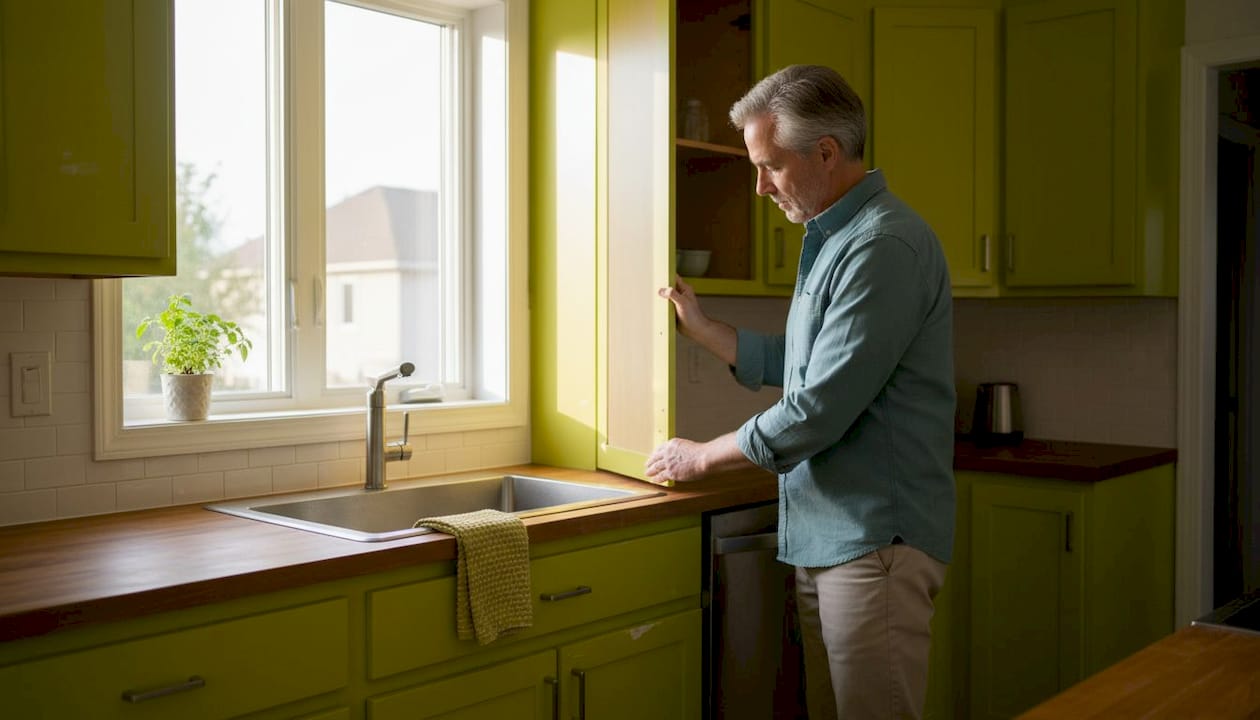
This is probably the most damaging misconception we hear. A homeowner sees a beautiful before-and-after photo, assumes refinishing is a cure-all, and then feels blindsided when the contractor points out that their cabinet boxes are water-damaged or warped. Refinishing is a cosmetic process. It works on surfaces: doors, drawer fronts, and face frames. It does not rebuild anything underneath.
Cabinet refinishing is cosmetic and does not fix structural issues or warped, damaged boxes. If your cabinet boxes are swollen from a long-ago leak, or if the shelves sag under moderate weight, no amount of paint or stain will correct those problems. You might end up with a gorgeous exterior masking a compromised structure, which is a recipe for bigger problems down the road.
Common mistakes homeowners make when structural issues are overlooked:
Painting over delaminating surfaces without addressing the underlying cause, which leads to peeling within months
Ignoring soft or spongy cabinet floors caused by moisture intrusion, assuming the new color will hide the issue
Refinishing doors that don’t hang straight because the box frames have shifted, leaving gaps and alignment problems after the job is done
Skipping a thorough inspection before signing a refinishing contract, only to discover mid-project that replacement was the right call
If your cabinet doors swing open on their own, shelves feel soft underfoot, or you spot visible water staining inside the boxes, those are signs you need more than a cosmetic fix. A candid evaluation before any work begins saves you time, money, and frustration.
Pro Tip: Before booking a refinishing project, open every cabinet door and press gently on the box interior. Any give or softness suggests moisture damage. A professional can assess whether refinishing is appropriate or whether refacing or full replacement is the smarter path forward.
The refinishing benefits are real and substantial when your cabinet bones are solid. When they aren’t, pushing forward with refinishing anyway is not a shortcut. It’s a mistake. Knowing the limits of cosmetic kitchen upgrades helps you set the right expectations before a single drop of paint is applied.
Now that you know not every problem can be solved cosmetically, let’s confront cost-related myths.
Myth 2: Refinishing is always the cheapest kitchen solution
It’s easy to assume refinishing automatically costs less than any other option. In many cases it does, but the full picture is more nuanced. The cost of refinishing depends heavily on your specific kitchen, and assuming the lowest possible price is a reliable planning figure can leave you unprepared.
Real-world refinishing projects range from $1,990 to $4,498, with the average landing around $3,114. That price shifts significantly based on factors specific to your kitchen.
Factors that drive refinishing costs up or down include:
Number of cabinet doors and drawers: More surfaces mean more labor hours, more materials, and a longer timeline
Current cabinet condition: Heavily worn, greasy, or previously painted cabinets require more prep work, which adds cost
Cabinet layout complexity: Kitchens with lots of angles, custom details, or unusual configurations take longer to prep and coat properly
Paint or finish choice: Premium waterborne alkyd paints or two-part catalyzed finishes cost more than standard latex but deliver a far superior, longer-lasting result
Geographic demand and scheduling: During peak renovation seasons in Ottawa, professional scheduling may affect overall project pricing
Cost snapshot: Professional refinishing averages around $3,114 for a standard kitchen. Full cabinet replacement, by comparison, typically runs $10,000 to $25,000 or more. Refacing (replacing doors and drawer fronts while keeping the boxes) often falls between $4,500 and $9,000.
So, yes, refinishing is generally the most affordable option. But “most affordable” does not mean “cheap.” Understanding the Ottawa refinishing costs in detail helps you budget realistically and compare quotes with confidence. For more detail on what drives pricing locally, the average refinishing cost breakdown covers the specifics Ottawa homeowners need.
Pro Tip: Always ask for an itemized quote. A credible refinishing company will break down labor, materials, primer, finish coats, and any repair work separately. A single lump-sum quote makes it nearly impossible to compare contractors fairly or understand exactly what you’re paying for.
Understanding the cost realities sets the stage for the next myth: Is DIY really a money-saving slam dunk?
Myth 3: DIY refinishing guarantees big savings
The idea of saving thousands by doing the job yourself is appealing. We understand that. But the gap between a professional cabinet finish and a DIY attempt is wider than most homeowners expect, and the cost of fixing a poor DIY job often erases any initial savings.
Achieving a flawless finish is not easy for DIYers; professionals may be needed for quality results. Here’s what a truly smooth, durable cabinet finish actually requires:
Proper surface degreasing and cleaning using the right chemical degreasers, not just dish soap and water
Thorough sanding with the correct grits in sequence, followed by a tack cloth wipe to eliminate dust before priming
A shellac-based primer or high-adhesion primer designed for the cabinet material, because standard wall primers often peel on wood and MDF (medium-density fiberboard)
A controlled spray environment to prevent dust nibs and brush marks that result in a bumpy, amateurish finish
Multiple finish coats with light sanding between each, which requires patience, timing, and the right product knowledge
Proper caulking of gaps and seams before painting for a seamless, factory-finished look
Most DIYers skip or underestimate at least two or three of those steps, and the result is visible. Paint that chips within a year, brush streaks visible in raking light, and doors that stick together when closed are all common outcomes. By the time you account for purchased tools, wasted materials, and the cost of re-doing sections that didn’t turn out right, your “savings” can shrink dramatically.
Understanding wood finishing techniques at a professional level takes practice and proper equipment, which most homeowners simply don’t have on hand. The investment in professional refinishing typically pays off in durability and finish quality, as outlined in this breakdown of professional refinishing savings.
Pro Tip: If you’re committed to trying it yourself, start with a test panel, ideally a spare cabinet door or a piece of similar wood, and take it through the full process: degrease, sand, prime, and finish coat. If the result isn’t showroom quality on that single panel, a full kitchen is not the place to keep practicing.
With the DIY myth addressed, let’s directly compare refinishing to other options and clarify what makes each unique.
Myth 4: Refinishing, refacing, and replacing are basically the same
These three terms get used interchangeably, but they describe very different scopes of work, costs, and outcomes. Treating them as equivalent leads to misaligned expectations and sometimes, the wrong choice for your situation.
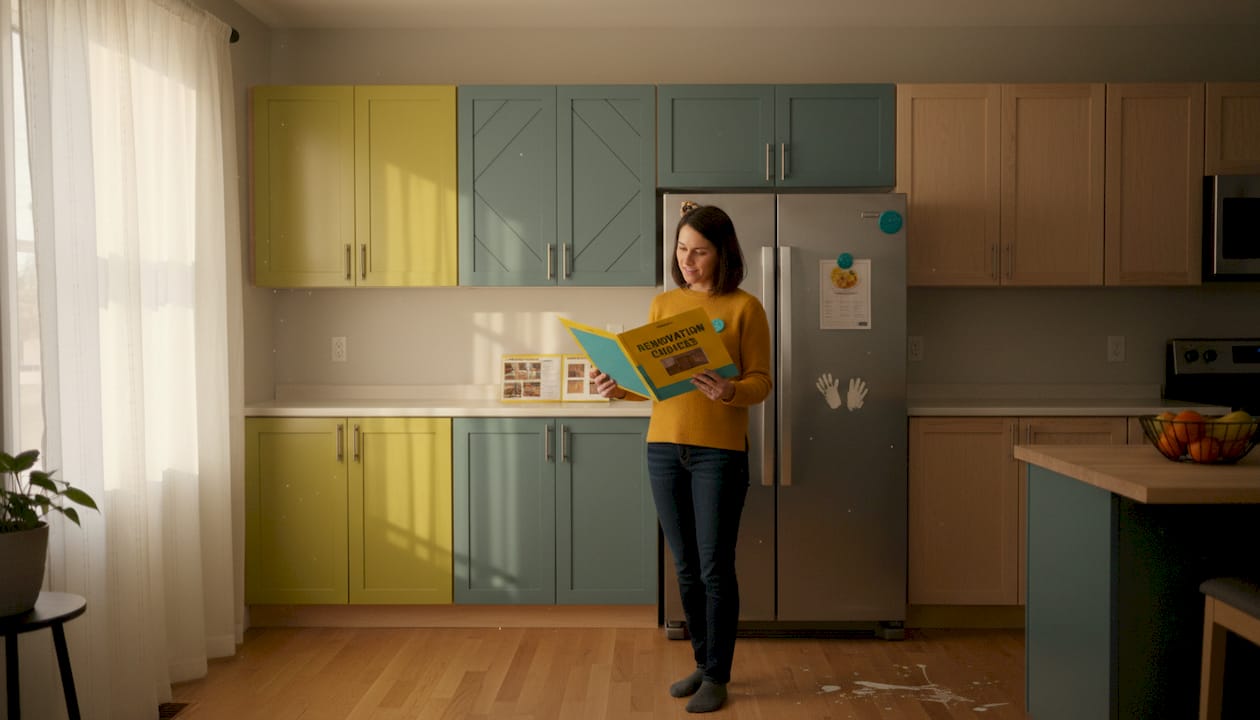
Refinishing is less expensive, more cosmetic, refacing replaces fronts, and replacement solves structural issues. Here’s how they compare side by side:
Option | Typical cost range | What changes | Structural repair | Timeline |
Refinishing | $1,990 to $4,498 | Paint/stain on existing surfaces | No | 3 to 7 days |
Refacing | $4,500 to $9,000 | Doors, drawer fronts, veneer | No | 1 to 2 weeks |
Full replacement | $10,000 to $25,000+ | Everything, including boxes | Yes | 3 to 6 weeks |
Which option fits which situation:
Choose refinishing when your cabinet boxes are solid, your layout works well, and you want a fresh color or a more modern look without the cost of a full renovation
Choose refacing when the surface materials are too worn or damaged to paint successfully, but the cabinet boxes themselves are still square and structurally sound
Choose full replacement when cabinet boxes are warped, water-damaged, or when you want to significantly change the kitchen layout
The cabinet renovation savings achievable through smart option selection can be significant. A well-executed refinishing project on sound cabinets can match the visual impact of refacing at a fraction of the cost, and that’s a meaningful difference in any household budget.
For broader context on how these decisions fit into larger renovation planning, this renovation guide offers a useful framing. Now that the differences are clear, it’s time to bust the last myth, one that may sway many Ottawa homeowners’ decisions.
Myth 5: Refinishing is a one-size-fits-all solution
Refinishing works beautifully in the right circumstances. It is not, however, the answer for every kitchen in every condition. The decision rule is straightforward: refinishing and refacing should only be considered when cabinet boxes are structurally sound.
Refinishing and refacing should be used only if cabinet boxes are structurally sound; otherwise, replacement is necessary. Before you commit to any refinishing project, use this simple three-step checklist:
Inspect the cabinet boxes thoroughly. Open every door and drawer, press on interior surfaces, and look for soft spots, swelling, mold, or visible water damage. If anything feels compromised, get a professional assessment before proceeding.
Evaluate whether your current layout works. Refinishing preserves your existing layout exactly as-is. If you’ve always wanted more storage, a different arrangement, or a kitchen island where cabinets currently stand, refinishing won’t solve those functional issues.
Assess the surface condition of doors and frames. Light wear, dated color, and minor surface scratches are all refinishing-appropriate. Deep gouges, severe delamination of MDF, or completely failed previous paint jobs may require refacing or replacement to get the result you’re expecting.
The vast majority of refinishing projects involve cosmetically outdated but structurally healthy cabinets. Homeowners who are living with an oak kitchen from 2003 or a dark cherry finish from 2008 and want a bright white or warm greige update are ideal refinishing candidates. Their cabinets are perfectly functional; they just don’t match how kitchens look today.
If you’re on the fence about whether your kitchen qualifies, exploring these cost-effective upgrades for 2026 can help clarify whether refinishing delivers the outcome you’re looking for.
What most homeowners get wrong about cabinet refinishing
Here’s what we’ve seen after working with Ottawa homeowners through countless refinishing projects: the biggest mistakes rarely come from choosing the wrong paint color or skipping a coat of primer. They come from asking the wrong questions at the start.
Most homeowners walk into a refinishing conversation focused on one thing: price. “What’s the cheapest way to make this kitchen look better?” That’s a reasonable starting point, but it often leads to decisions that look good on a spreadsheet and feel disappointing six months later. A low headline price from a quick-turnaround contractor who skips proper prep work and uses budget-grade materials isn’t actually a deal. It’s a short-term fix with a long-term cost.
The better questions to ask upfront are: How long will this finish actually last? What prep work is included? What happens if something goes wrong a year from now? Is there a warranty? And critically, is my kitchen a genuinely strong candidate for refinishing, or am I trying to stretch a cosmetic solution over a structural problem?
We’ve watched homeowners fall in love with the idea of refinishing and overlook clear signs that their cabinets needed more than paint. The result is a kitchen that looks great at first but begins showing problems within a year. That outcome is avoidable with a candid evaluation upfront.
The other underappreciated factor is return on investment. Refinishing done right adds real value. A fresh, high-quality finish on sound kitchen cabinets is one of the strongest ROI for refinishing investments available to Ottawa homeowners, especially in a competitive real estate market where kitchens are scrutinized by buyers. But the operative phrase is “done right.” Rushing to the cheapest option because the headline cost looks attractive is where that ROI evaporates.
Start every refinishing conversation with honesty about your cabinets’ condition. Then ask about longevity, warranty, and process. That sequence of questions will reliably lead you to the right decision, whether that’s refinishing, refacing, or replacement.
Ready to refresh your Ottawa kitchen? We can help
Now that you have a clear picture of what refinishing can and can’t do, the next step is getting an honest assessment of your specific kitchen. At Ottawa Cabinet Painting, we work exclusively with local homeowners and understand the conditions, timelines, and expectations that Ottawa kitchens require. We’re happy to walk through your cabinets with you, assess structural soundness, and give you a clear recommendation based on what we actually see, not just what you hope to hear. You can get a free cabinet painting quote in minutes, or browse the work of our Ottawa interior cabinet experts to understand the level of quality we deliver. Want to see real results? Our gallery lets you see before and after results from Ottawa kitchens just like yours. Your kitchen transformation can be straightforward and satisfying when you start with the right information and the right team.
Frequently asked questions
How do I know if my cabinets are good candidates for refinishing?
Cabinets are ideal candidates when their boxes are structurally sound and only their appearance needs updating. Press on interior shelves and look for water staining or soft spots before committing to refinishing.
Does refinishing increase home value in Ottawa?
Yes. A professionally refinished kitchen delivers strong return on investment, particularly when the cabinets are in solid condition and the finish quality is high. Ottawa buyers pay close attention to kitchens, so a showroom-quality update stands out.
Is it possible to switch cabinet colors with refinishing?
Absolutely. Refinishing allows complete color and finish customization, from dark cherry to bright white, warm greige, navy, or any color in between, giving your kitchen an entirely new personality without touching the layout.
How long does professional cabinet refinishing take?
Most professional refinishing projects are completed in three to seven days depending on kitchen size, the number of cabinet doors, and the finish system being used. A quality process never rushes drying time between coats.
What’s the difference between refacing and refinishing?
Refinishing updates the existing surface with paint or stain while keeping all doors and boxes in place. Refacing replaces doors and fronts entirely, while the original cabinet boxes remain. Replacement removes and replaces everything, including the boxes.
Recommended
Comments