7 Must-Know Tips for Seasonal Home Maintenance Success
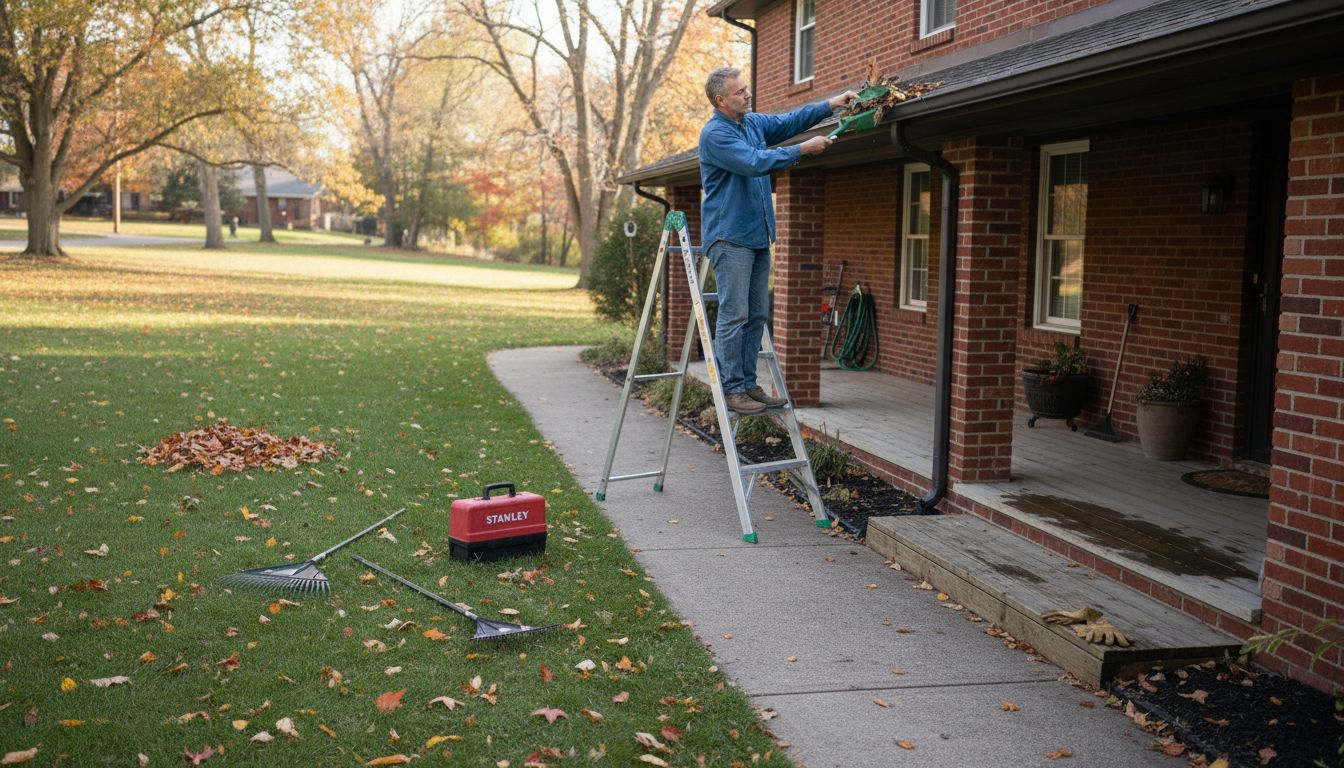
Most American homeowners underestimate how much routine upkeep can safeguard their homes and wallets. Over time, small issues like clogged gutters, drafty windows, or neglected detectors can lead to repairs costing thousands. Simple maintenance tasks not only protect your investment but also improve safety and comfort for your family. Whether you’re a new or seasoned homeowner, understanding these essential habits can make your American home more durable and energy efficient every season.
Table of Contents
Quick Summary
Key Insight | Explanation |
1. Clean Gutters Biannually | Regular cleaning prevents clogs and costly water damage, protecting your home’s foundation and siding. Prioritize spring and fall for cleanup. |
2. Seal Window Drafts to Save Energy | Insulating windows and detecting air leaks improve energy efficiency and reduce heating costs, providing a more comfortable home environment. |
3. Test Detectors Monthly | Ensuring smoke and carbon monoxide detectors work properly is essential for household safety, providing early warnings during emergencies. |
4. Maintain HVAC Systems Regularly | Routine inspections and filter changes extend system life and improve energy efficiency, saving money on repairs and energy bills. |
5. Deep Clean and Organize Often | Organizing key living spaces reduces stress and increases efficiency, making your home more functional and enjoyable to live in. |
1. Inspect and Clean Gutters Every Season
Protecting your home starts with one often overlooked component: your gutters. Regular gutter maintenance is critical for preventing water damage and protecting your home’s foundation, siding, and landscaping.
Gutters play a crucial role in directing water away from your house, but they can quickly become clogged with leaves, twigs, and debris. Experts recommend cleaning gutters twice annually during optimal seasons spring and fall to ensure proper water flow and prevent potential damage.
When debris accumulates, water cannot flow freely and may overflow, potentially causing serious problems like foundation cracks, basement flooding, and wood rot. By spending a few hours each season inspecting and cleaning your gutters, you can save thousands of dollars in potential repair costs. Look for signs of sagging, rust, holes, or separation from the roofline during your inspection.
Key Inspection Steps:
Remove all leaves and debris by hand or with a gutter scoop
Check downspouts for blockages
Examine gutter seams and connections for leaks
Ensure gutters are securely attached to the house
Look for signs of water damage on exterior walls
Recommended Tools:
Sturdy ladder
Work gloves
Garden hose
Gutter scoop
Plastic bucket
Pro Tip: If climbing a ladder feels unsafe, consider hiring a professional gutter cleaning service to ensure thorough maintenance and protect yourself from potential injury.
Proper seasonal gutter maintenance will help extend the life of your home’s exterior and prevent costly water damage repairs.
2. Check for Drafts and Insulate Windows
Knowing how to detect and seal drafts is crucial for maintaining a comfortable home environment and reducing energy costs. Windows are often the primary culprit for unwanted air leaks that can significantly impact your home’s temperature and energy efficiency.
Weatherstripping is an effective method for eliminating drafts and preventing heat loss during cold months. These small gaps around window frames can cause substantial energy waste, making your heating and cooling systems work much harder than necessary.
Draft Detection Techniques:
Hold a lit candle near window edges
Feel for temperature differences around window frames
Check for visible light passing through frame gaps
Listen for whistling sounds during windy conditions
Window Insulation Methods:
Apply foam weatherstripping
Use vinyl strip seals
Install plastic window insulation film
Replace worn window caulking
Energy experts recommend comprehensive draft proofing to reduce heat loss and lower energy bills. By investing a few hours in window maintenance, homeowners can potentially save significant money on heating and cooling expenses.
Pro Tip: Use thermal curtains as an additional layer of insulation, creating an extra barrier against temperature fluctuations and helping to further reduce energy consumption.
Paying attention to window drafts not only improves home comfort but also contributes to more sustainable energy usage and lower utility costs.
3. Refresh Cabinet Finishes for Durability
Cabinet finishes are more than just a visual upgrade they protect your investment and extend the life of your kitchen cabinetry. Maintaining and refreshing your cabinet finishes can prevent wear, resist moisture, and keep your kitchen looking professionally maintained.
Why Cabinet Finish Maintenance Matters:
Protects wood from moisture damage
Prevents chipping and peeling
Maintains aesthetic appeal
Increases overall kitchen longevity
Understanding how to properly care for your cabinet finishes requires knowledge of material specific maintenance techniques. Durable cabinet paint selection plays a critical role in long term kitchen appearance and protection.
Key Maintenance Steps:
Clean surfaces with soft microfiber cloths
Use gentle nonabrasive cleaning solutions
Touch up minor scratches promptly
Apply protective topcoats annually
Avoid harsh chemical cleaners
Regular maintenance prevents gradual degradation of cabinet surfaces. Wood cabinets are particularly vulnerable to environmental changes, making consistent care essential. Understanding lacquer finish properties can help homeowners select the most resilient protective coatings.
Pro Tip: Invest in quality touch up kits matching your cabinet finish color to quickly address small imperfections before they become larger repair projects.
Consistent care transforms cabinet maintenance from a chore into a strategic investment in your home’s aesthetic and functional value.
4. Test Smoke and Carbon Monoxide Detectors
Home safety begins with functioning detection systems that can mean the difference between life and death. Smoke and carbon monoxide detectors are your first line of defense against potential household emergencies.
Why Testing Matters:
Ensures early warning during fire or gas leak
Protects family from potential fatal incidents
Meets critical home insurance requirements
Provides peace of mind
Modern homes require strategic detector placement to maximize safety coverage. Install detectors on every level of your home including bedrooms, hallways, and near sleeping areas. Battery powered and hardwired models each require different maintenance approaches.
Monthly Testing Procedure:
Press test button on each detector
Listen for loud alarm sound
Check battery indicator lights
Replace batteries twice annually
Verify alarm can be heard throughout home
Detector Replacement Guidelines:
Replace smoke detectors every 10 years
Replace carbon monoxide detectors every 5 years
Update batteries annually
Clean detector surfaces quarterly
Keep area around detectors clear of obstructions
Modern detector technology offers interconnected systems where one alarm triggers all units simultaneously providing comprehensive home protection. Some advanced models include smartphone connectivity for remote monitoring.
Pro Tip: Set recurring calendar reminders on your smartphone for detector testing and battery replacement to ensure you never forget this critical safety task.
Consistent detector maintenance represents a small time investment with potentially life saving consequences for your household.
5. Maintain Heating and Cooling Systems
Your home’s heating and cooling systems are complex machines that require regular attention to operate efficiently and prevent unexpected breakdowns. Proactive maintenance can save you significant money on repairs and extend the lifespan of your HVAC equipment.
Critical Maintenance Components:
Air filter replacement
Ductwork inspection
Thermostat calibration
Professional annual servicing
Cleaning interior and exterior units
Seasonal Maintenance Checklist:
Spring: Clean outdoor AC unit
Summer: Check refrigerant levels
Fall: Inspect heating system
Winter: Lubricate moving parts
Year round: Monitor system performance
Regular maintenance prevents efficiency losses that can dramatically increase energy consumption. A well maintained system can reduce energy costs by up to 15 percent and prevent potential system failures that might leave you without heating or cooling during extreme weather conditions.
Warning Signs Requiring Immediate Attention:
Unusual noises during operation
Inconsistent temperature distribution
Increased energy bill costs
Weak airflow from vents
Frequent cycling on and off
Professional HVAC technicians recommend comprehensive system evaluations at least once annually. These inspections can identify potential issues before they become costly repairs and ensure your system operates at peak efficiency.
Pro Tip: Create a digital maintenance calendar with automatic reminders for filter changes, professional inspections, and seasonal system checks to ensure you never miss a critical maintenance task.
Consistent system care transforms your HVAC from a potential source of stress into a reliable home comfort solution.
6. Seal Exterior Cracks to Prevent Pests
Small exterior cracks might seem insignificant, but they can serve as open invitations for unwanted household pests. Preventing pest entry requires a strategic approach to identifying and sealing potential access points around your home.
Common Pest Entry Points:
Foundation cracks
Window frame gaps
Door threshold spaces
Utility line entry points
Roof and attic openings
Basement wall fissures
Comprehensive pest prevention starts with thorough exterior inspection of your home’s structural boundaries. Pests like mice, ants, and spiders can squeeze through openings as small as a quarter inch wide, making meticulous sealing crucial.
Sealing Techniques:
Use silicone based caulk for smaller gaps
Apply expanding foam for larger openings
Replace worn weatherstripping
Install mesh screens on vents
Use steel wool for irregular spaces
Inspection Checklist:
Check foundation perimeter
Examine window and door frames
Inspect roof and attic edges
Review utility line entry points
Scan basement and crawl spaces
Professional pest control experts recommend conducting a comprehensive exterior inspection at least twice annually. Early detection and sealing can prevent costly infestations and potential structural damage caused by persistent pest activity.
Pro Tip: Use a bright flashlight during evening inspections to help identify small cracks and gaps that are harder to spot during daylight hours.
Effective pest prevention is about creating a comprehensive barrier that protects your home from unwanted intrusions.
7. Deep Clean and Organize Key Living Spaces
A well organized home is more than just visually appealing it reduces stress and increases daily efficiency. Transforming cluttered spaces into streamlined environments requires strategic planning and consistent effort.
Key Living Spaces to Target:
Kitchen countertops
Pantry shelves
Bathroom storage
Bedroom closets
Home office areas
Living room surfaces
Entryway organization
Kitchen organization strategies can dramatically improve household functionality. Start by categorizing items and establishing dedicated zones for specific activities to maximize space utility.
Systematic Cleaning Approach:
Remove all items from surfaces
Clean and disinfect areas thoroughly
Sort items into keep donate or discard piles
Use storage solutions that maximize vertical space
Implement regular maintenance routines
Organizational Tools:
Clear plastic storage containers
Drawer dividers
Labeled storage bins
Stackable shelving units
Magnetic wall organizers
Hooks and hanging systems
Decluttering kitchen counters requires a systematic approach to minimize visual chaos and create functional workspaces. Removing unnecessary items and implementing smart storage solutions can transform your living environment.
Seasonal Deep Cleaning Strategy:
Quarterly comprehensive organization
Monthly surface maintenance
Weekly quick cleanup routines
Daily 10 minute reset sessions
Pro Tip: Use the four box method remove empty discard donate and relocate to simplify your organizing process and prevent decision fatigue during cleaning sessions.
Consistent organization transforms living spaces from chaotic environments into peaceful sanctuaries that support your lifestyle and reduce daily stress.
Below is a comprehensive table summarizing the main home maintenance strategies and their benefits discussed throughout the article.
Topic | Key Steps and Tools | Benefits |
Gutters Maintenance | Clean twice annually; use ladder, gloves, scoop | Prevents water damage, protects foundation |
Window Insulation | Detect drafts; use weatherstripping, films | Reduces energy costs, improves comfort |
Cabinet Finish Care | Clean, touch up, apply topcoats | Extends kitchen cabinetry life |
Detector Testing | Test monthly; replace batteries | Ensures safety, meets insurance requirements |
HVAC Maintenance | Filter replacement, professional servicing | Reduces energy use, avoids breakdowns |
Pest Prevention | Seal cracks, use caulk and screens | Prevents infestations, protects structure |
Home Organization | Remove clutter, use storage solutions | Reduces stress, increases efficiency |
Enhance Your Home Maintenance with Expert Cabinet Refinishing
Seasonal home maintenance is essential for protecting your investment and ensuring comfort. This article highlights crucial tasks like inspecting gutters, sealing drafts, and maintaining finishes to prevent damage and save on costly repairs. One common challenge is preserving and refreshing your kitchen cabinets without undergoing a full renovation that disrupts your home and drains your budget. Cabinet finishes are vulnerable to wear, moisture, and daily use, making quality refinishing a vital part of your home care routine.
Take control today by transforming your kitchen with Ottawa Cabinet Painting. Our local experts specialize in professional cabinet painting and refinishing that delivers a modern, high-end look without the expense or chaos of replacement. With meticulous preparation and premium paints, we provide durable, silky smooth finishes that enhance your home’s value and aesthetic. Experience hassle-free renovation with our trusted process and enjoy the heart of your home renewed. Discover how refreshing your cabinets fits perfectly into your seasonal maintenance plan by visiting our website. Start protecting your home and elevating your kitchen today.
Frequently Asked Questions
How often should I clean my gutters for proper maintenance?
Regularly clean your gutters at least twice a year, ideally in spring and fall. Remove leaves and debris to ensure proper water flow and prevent water damage.
What are effective ways to detect drafts in my home?
To detect drafts, hold a lit candle near the edges of windows and doors, and look for flickering flame or feel for temperature differences. Check visible gaps and listen for whistling sounds during windy conditions to identify potential leaks.
How can I maintain my cabinet finishes to extend their life?
Clean your cabinet finishes with a soft microfiber cloth and avoid harsh chemicals. Schedule an annual application of protective topcoats to prevent wear and moisture damage, keeping them looking fresh for years.
What steps should I take to test my smoke and carbon monoxide detectors?
Test your smoke and carbon monoxide detectors monthly by pressing the test button and listening for the alarm sound. Replace batteries at least twice a year to ensure they function properly and check for expiration dates
How do I seal exterior cracks to prevent pest entry?
Inspect your home’s exterior for cracks around windows, doors, and foundations. Use silicone-based caulk for smaller gaps and expanding foam for larger openings to create a barrier against pests.
What should I include in my HVAC maintenance checklist?
Incorporate air filter replacement and ductwork inspection into your HVAC maintenance routine. Schedule professional servicing at least once a year to ensure your system operates efficiently and reduces energy costs.
Recommended
Comments