How long does cabinet painting last? 8-15 year guide

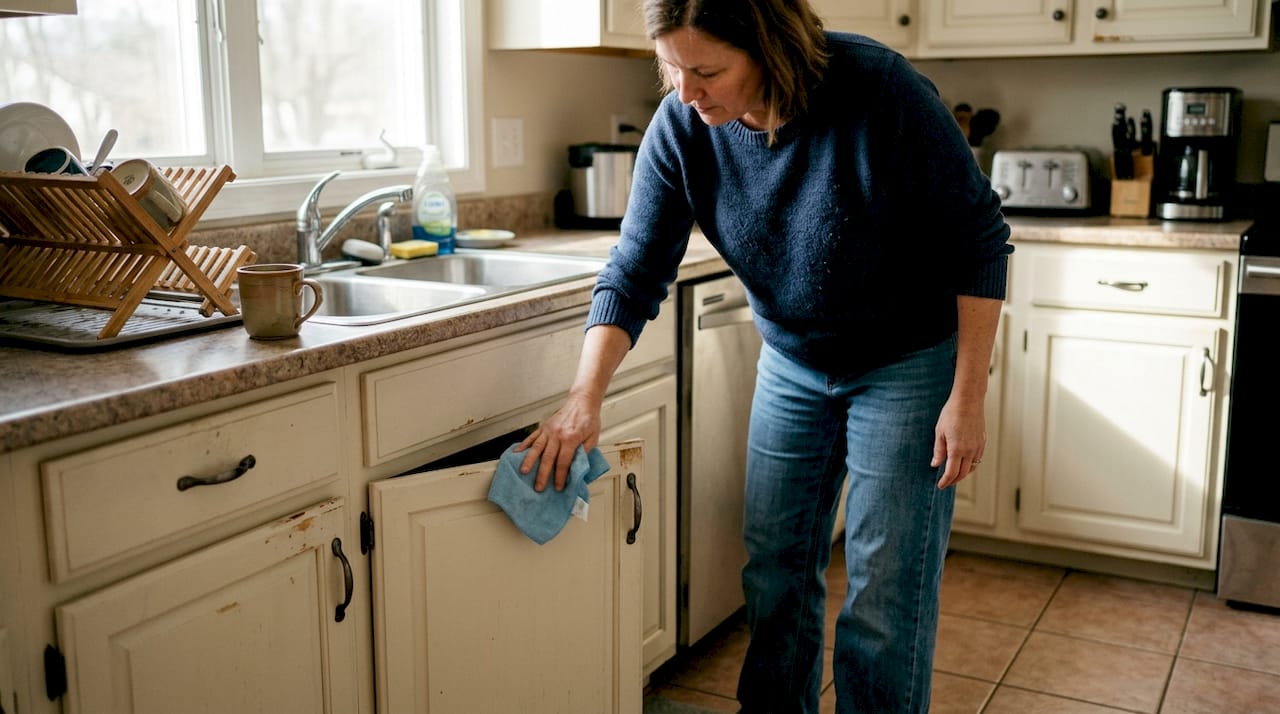
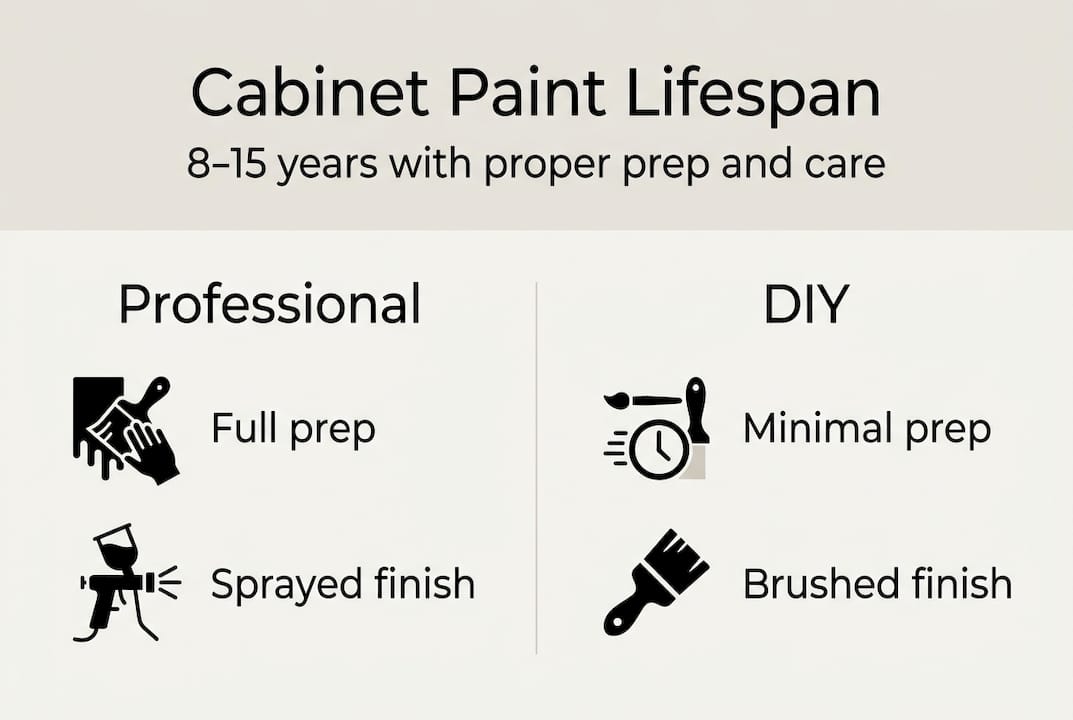
Most Ottawa homeowners assume cabinet painting is a short-term fix, something to tide you over until a full renovation. That assumption is costing people real money. Professionally painted cabinets last 8 to 15 years with proper maintenance, which puts them squarely in the same conversation as brand-new cabinet installations. The catch? Not every paint job is created equal. DIY results and professional results live in completely different leagues, and the gap comes down to preparation, materials, and technique. This guide breaks down exactly what controls cabinet paint lifespan, which products hold up best, and how to protect your investment through Ottawa’s demanding climate.
Table of Contents
Key Takeaways
Point | Details |
Professionals outlast DIY | A professional cabinet paint job can outlast DIY by five years or more with proper care. |
Prep and product matter | Surface cleaning, quality primers, and high-end paints impact lifespan more than any other factor. |
Ottawa homes need extra care | Local humidity swings and kitchen use demand routine cleaning and humidity control for long-lasting beauty. |
Best paints for durability | Alkyd enamels and conversion varnish offer the toughest, longest-lasting cabinet finishes. |
Maintain for maximum years | Monthly gentle cleaning and immediate spill management can add years to your painted cabinets’ life. |
What determines how long cabinet painting lasts?
Lifespan is not a lottery. It follows a clear set of rules, and once you understand them, you can predict with confidence how long any paint job will hold up. The biggest variables are surface preparation, paint and finish type, application method, and how hard your kitchen works every day.
Ottawa’s climate adds a layer of complexity that homeowners in milder regions don’t face. Temperature swings between a freezing January and a humid July put real stress on painted surfaces. Cabinets near windows, exterior walls, or above the stove experience the most movement, and paint that wasn’t applied correctly will show it within a couple of years.
Here is what actually controls the outcome:
Degreasing and cleaning before any sanding or priming
Sanding to 220 grit for a surface paint can actually grip
High-adhesion priming to lock everything in place
Paint type and sheen chosen for kitchen conditions
Application method (sprayed vs. brushed)
Frequency of use and how the cabinets are handled daily
Kitchen humidity and temperature fluctuations
Thorough degreasing, sanding, and priming prevent 90% of paint failures before they ever start. That stat is not an exaggeration. Skipping or rushing prep is the single most common reason a paint job looks tired after three years instead of thirteen.
“Preparation is the difference between 3 years and 13 years.”
Application method matters just as much as prep. HVLP spraying creates a factory-smooth finish that brushing simply cannot replicate, with better adhesion and zero brush marks. You can explore the full breakdown of cabinet paint finish options and the specifics of cabinet spraying technique to see why the method is as important as the material. For a broader look at lifespan of painted cabinets across different home types, the data consistently points back to prep and application as the dominant factors.
Professional vs DIY cabinet painting: What’s the real difference?
The gap between a professional paint job and a DIY one is not just cosmetic. It is measured in years of service life and dollars spent over time. Let’s put the comparison on the table so you can see exactly what you’re choosing between.
Factor | Professional | DIY |
Surface prep | Full degreasing, 220-grit sand, high-adhesion prime | Basic wipe-down, light sand |
Application method | HVLP spray system | Brush or roller |
Paint used | Alkyd enamels, conversion varnish | Standard latex |
Average lifespan | 8 to 15 years | 3 to 7 years |
First signs of wear | Minor dulling after year 8-10 | Chipping and peeling by year 3-4 |
Cost per year of service | Lower when spread across full lifespan | Higher due to repeat touch-ups |
When you break it down by cost per year, professional painting often comes out ahead. A DIY job that needs redoing every four years adds up fast, especially when you factor in your own time and materials. The DIY cabinet painting risks go beyond aesthetics too. Poor adhesion can lead to bubbling and peeling that damages the cabinet surface underneath, making the eventual professional fix more expensive.
Key takeaways from the comparison:
Professionals deliver 5 or more years of additional lifespan on average
HVLP spraying eliminates the brush marks that make DIY jobs look amateur over time
The cabinet painting durability guide shows that cost-per-year often favors professional work
Touch-up costs on a DIY job can quietly exceed the original professional quote within a decade
Pro Tip: If you want smooth, factory-grade results that hold up in a busy Ottawa kitchen, professional HVLP spraying is the only method that consistently delivers. Brush marks are not just a visual issue. They create uneven thickness that wears unevenly, especially around handles and edges.
For a detailed look at what separates short-lived from long-lasting results, the painted kitchen cabinets lifespan breakdown covers the full picture.
Which paints and finishes last the longest on kitchen cabinets?
The paint you choose is not a minor detail. It is one of the biggest decisions in the entire project. Not all paints behave the same way in a kitchen environment, where heat, steam, grease, and daily contact are constant.
Paint type | Hardness | Moisture resistance | Expected lifespan (pro) | Expected lifespan (DIY) |
Standard latex | Low | Low | 5-8 years | 2-4 years |
Acrylic enamel | Medium | Medium | 7-10 years | 3-5 years |
Alkyd enamel | High | High | 10-13 years | 5-7 years |
Catalyzed conversion varnish | Very high | Very high | 12-15+ years | Not recommended for DIY |
Alkyd enamels and catalyzed conversion varnish outperform standard latex by a wide margin in real kitchen conditions. Conversion varnish is the gold standard in the industry. It cures to an extremely hard surface that resists scratching, moisture, and grease far better than anything you’ll find at a big-box store.
Key highlights for Ottawa homeowners:
Top-tier finishes reach 12 to 15 or more years in professional applications
Standard latex is the most common DIY choice and the most likely to disappoint
Ottawa’s humidity swings make moisture resistance a non-negotiable feature
Sheen level also matters. Semi-gloss and satin hold up better than flat finishes in kitchens
For a deeper look at your options, the durable cabinet paint guide explains the chemistry in plain language. You can also compare best finishes for Ottawa kitchens and review paint sheen durability to match your finish to your kitchen’s actual conditions.
Common wear points and what shortens cabinet paint life
Even the best paint job will show its age in predictable places first. Knowing where to look means you can catch small issues before they spread into bigger, more expensive problems.
The first signs of failure typically appear in these spots:
Around door handles and drawer pulls, where fingers make contact hundreds of times a week
Along cabinet edges, especially on doors that get bumped or swung open hard
Near the sink, where water splashes and steam are constant
Above the stove, where heat and grease accelerate breakdown
At the base of lower cabinets, where cleaning mops and foot traffic cause scuffing
High-traffic areas like handles and sink-side doors wear significantly faster than the rest of the cabinet surface. Chipping around hardware is almost always the first visible sign that a paint job is aging.
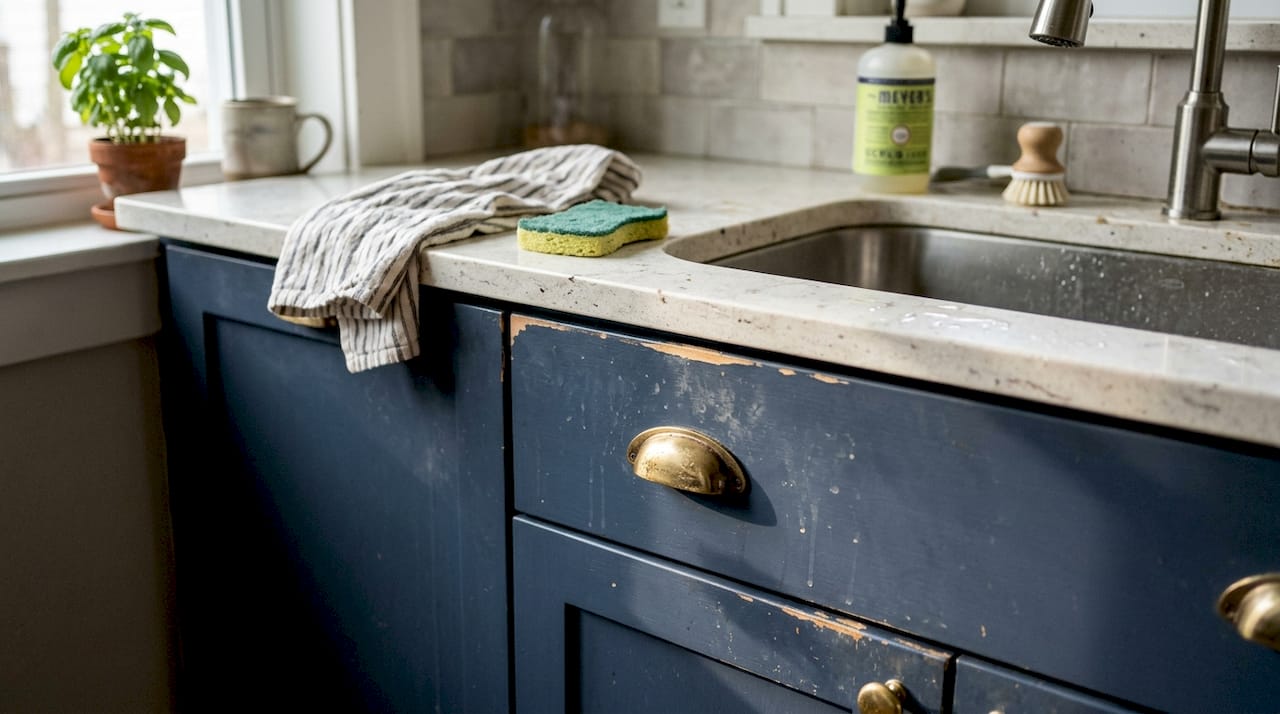
Handles and sink-side doors see up to 70% more wear than other cabinet surfaces. Catching early chipping and addressing it quickly prevents damage from spreading across the full door.
Ottawa’s winters bring a specific challenge. Condensation on cold cabinet surfaces near exterior walls or windows can work its way under paint that wasn’t properly sealed. Come summer, steam from cooking adds moisture from the other direction. This cycle of wet and dry, cold and warm, is genuinely hard on painted surfaces. The cabinet maintenance tips cover seasonal strategies that address exactly this kind of wear.
Maximizing the lifespan: Maintenance and care in Ottawa’s climate
A great paint job is an investment. A few simple habits protect that investment and can add years to how long your cabinets look sharp. None of these steps are complicated, but consistency is what makes the difference.
Here is the routine that works:
Clean monthly with a soft cloth and a mild, non-abrasive cleaner. Avoid anything with bleach or ammonia.
Wipe up spills immediately. Grease and water left sitting are the fastest way to break down a finish.
Avoid scrubbing pads on painted surfaces, even the ones marketed as gentle.
Install soft-close hardware if you haven’t already. The impact of doors slamming repeatedly is a real source of edge chipping.
Control kitchen humidity with a range hood fan during cooking and a dehumidifier in summer if your kitchen runs humid.
Inspect handles and edges twice a year and address any small chips before they grow.
Monthly soft cloth cleaning, immediate spill removal, and avoiding abrasives are the three habits that consistently extend painted cabinet life across all paint types and application methods.
Pro Tip: Small silicone bumper pads on the inside corners of cabinet doors reduce impact noise and protect the paint at the edges where chipping starts. They cost almost nothing and make a real difference over years of daily use.
Ottawa’s humidity and temperature fluctuations accelerate wear more than most homeowners expect. Keeping your kitchen between 40% and 50% relative humidity year-round is one of the most effective things you can do to protect any painted surface. A basic hygrometer from a hardware store tells you exactly where you stand.
Thinking about a lasting kitchen update? Get pro results in Ottawa
If this guide has shown you anything, it’s that the difference between a three-year paint job and a fifteen-year one comes down to who does the work and how they do it. At Ottawa Cabinet Painting, we use professional HVLP spraying, proper prep, and premium finishes to deliver results that hold up through Ottawa winters, humid summers, and everything a busy kitchen throws at them. Our work comes backed by a 6-year warranty because we stand behind the process. Ready to see what your kitchen could look like? Browse our cabinet transformation projects for real before-and-after examples, then get a free quote through our cabinet painting service page. If you’re thinking beyond the kitchen, our interior painting specialists can help you extend that fresh look throughout your home.
Frequently asked questions
How many years can I expect my painted cabinets to last with professional quality?
With proper preparation and maintenance, professionally painted cabinets last 8 to 15 years in Ottawa homes. The upper end of that range is achievable when premium finishes and consistent care are both part of the equation.
Why does DIY painting not last as long as professional?
DIY painted cabinets typically last only 3 to 7 years because home painters rarely match the prep depth or application quality of professionals. The gap in lifespan comes almost entirely from skipped sanding steps, weaker primers, and brush application instead of HVLP spraying.
What can I do to make my cabinet paint job last longer in Ottawa’s climate?
Clean cabinets monthly with a soft cloth, address spills right away, and control kitchen humidity to stay between 40% and 50%. Avoiding abrasive cleaners and installing soft-close hardware also make a measurable difference over time.
Which paint finish is best for durability on kitchen cabinets?
Catalyzed conversion varnish and alkyd enamels are the top performers for long-lasting, hard-wearing results in Ottawa kitchens. Both outperform standard latex by years in real kitchen conditions.
Are repainting and touch-ups worth it, or should I replace cabinets?
When professionally painted and maintained, cabinets can last nearly as long as new replacements at roughly one-third to one-fifth of the cost of full replacement. For most Ottawa homeowners, repainting is the smarter, more sustainable choice.
Recommended
Comments