Frequency of Cabinet Repainting in Ottawa: Expert Complete Guide
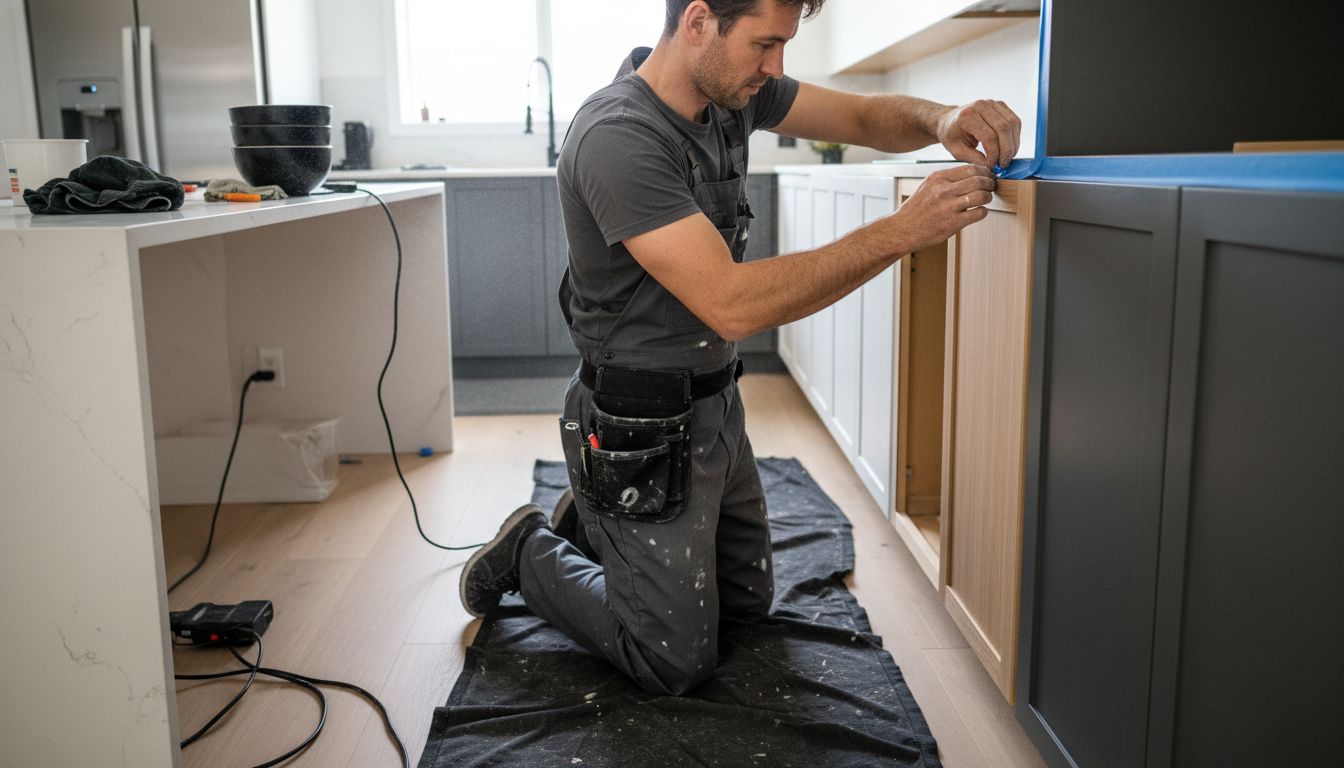
Did you know that properly painted kitchen cabinets can last up to ten years with the right care and conditions? Kitchen cabinets take a daily beating from heat, moisture, and constant use, causing some homes to need a repaint much sooner. Recognizing exactly when your cabinets need attention can help you avoid costly replacements while keeping your kitchen looking fresh and inviting year after year.
Table of Contents
Key Takeaways
Point | Details |
Repainting Frequency | The lifespan of cabinet paint typically ranges from four to ten years, influenced by factors like kitchen use and environmental conditions. |
Signs for Repainting | Common indicators for repainting include chipping paint, color fading, and surface roughness, necessitating regular inspections. |
Improving Longevity | Using high-quality paint and applying multiple thin coats can significantly extend the lifespan of cabinet finishes. |
Cost-Effective Alternatives | Before complete repainting, consider alternatives like spot painting or professional refinishing to address minor issues efficiently. |
What Frequency Means For Cabinet Repainting
Understanding the frequency of cabinet repainting is more nuanced than simply picking a random timeline. According to research from Understanding Repainting Cabinets Multiple Times for Homeowners, several critical factors determine how often you should refresh your kitchen’s look.
Research indicates that properly applied paint can last between four to ten years, depending on environmental conditions and maintenance. Factors influencing repainting frequency include:
Here’s a comparison of factors that influence cabinet repainting frequency and their specific impact:
Factor | Effect on Repainting Interval | Examples/Details |
Kitchen Usage Intensity | Shortens interval | Daily cooking High traffic |
Moisture & Heat Exposure | Shortens interval | Near stove/sink High humidity |
Quality of Paint Application | Lengthens with high quality | Pro surface prep 2 top coats |
Direct Sunlight | Shortens interval | Cabinets by windows |
Maintenance Practices | Lengthens with good upkeep | Proper cleaning Avoid harsh chemicals |
Kitchen usage intensity
Exposure to moisture and heat
Quality of original paint application
Amount of daily wear and tear
Presence of direct sunlight
As the Purdue University Extension notes, surface preparation plays a pivotal role in paint longevity. High-traffic kitchens might require more frequent updates, while less-used spaces can maintain their appearance longer. Professional painters recommend evaluating your cabinets annually for signs of wear like:
Chipping paint
Color fading
Surface roughness
Visible scratches or dents
Professional cabinet painting services can help homeowners determine the optimal repainting timeline, ensuring your kitchen maintains its aesthetic appeal and protective coating.
Typical Repainting Intervals In Practice
When it comes to cabinet repainting intervals, homeowners have more flexibility than they might expect. According to research from the Purdue University Extension, one top coat of paint typically lasts four to five years, while two carefully applied top coats can extend protection up to 10 years.
The optimal repainting timeline isn’t a one-size-fits-all scenario. Our why we don’t paint cabinets in two days guide highlights that quality matters more than speed. Several key factors influence your cabinet’s repainting schedule:
Kitchen traffic volume
Cooking frequency
Humidity and temperature fluctuations
Direct sunlight exposure
Quality of previous paint job
Professional painters recommend a standard interval of 5-7 years for most residential kitchens.
However, high-use kitchens might require more frequent updates. Pay attention to warning signs like:
Paint discoloration
Visible wear and tear
Chipping or peeling surfaces
Faded color vibrancy
By understanding these intervals and monitoring your cabinets’ condition, you can maintain a fresh, professional appearance while protecting your investment.
Factors Accelerating Repainting Needs
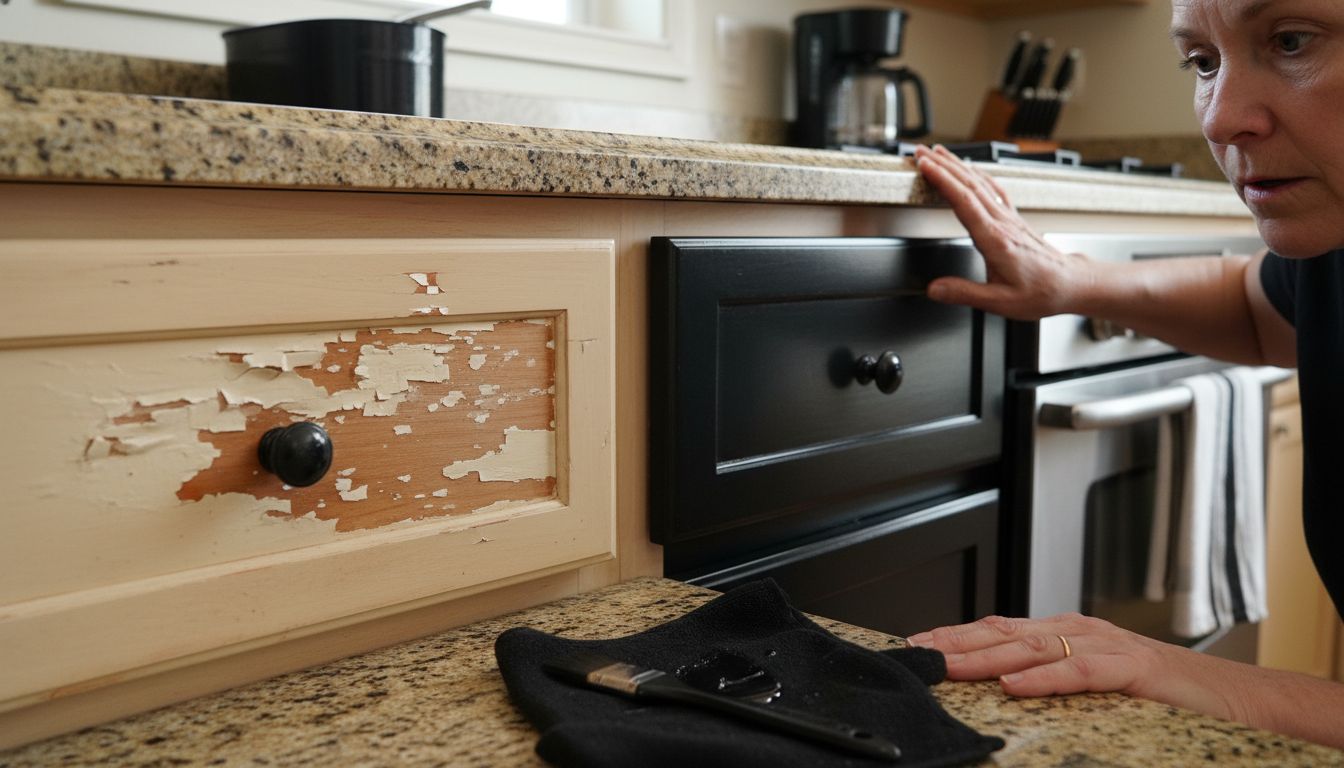
Environmental conditions play a crucial role in determining how quickly your kitchen cabinets will need repainting. According to research from the General Services Administration, factors like humidity, temperature fluctuations, and direct sunlight exposure can dramatically accelerate paint deterioration.
Kitchen-specific conditions significantly impact cabinet paint longevity. Our professional kitchen cabinet painting process guide highlights several key factors that can speed up repainting needs:
High moisture environments
Frequent cooking and steam exposure
Direct sunlight near windows
Greasy or humid cooking areas
Improper initial surface preparation
The Purdue University Extension warns that moisture problems and inadequate surface preparation can lead to premature paint failure. Critical warning signs that your cabinets need immediate attention include:
Paint bubbling or peeling
Visible mold or mildew
Color fading in high-exposure areas
Rough or uneven paint texture
Visible cracks or separation
Homeowners should conduct annual inspections to catch these issues early, preventing more extensive and expensive cabinet refinishing down the line.
Signs Your Cabinets Need Repainting
Knowing when to repaint your kitchen cabinets can save you from costly replacements and maintain your kitchen’s aesthetic appeal. According to research from the Purdue University Extension, several visual indicators suggest it’s time to refresh your cabinet’s paint job.
Visible damage is the most immediate sign that your cabinets need attention. Our guide on fixing peeling cabinet paint highlights key warning signs that shouldn’t be ignored:
Persistent paint peeling or bubbling
Noticeable color fading or discoloration
Visible moisture damage or water stains
Rough or uneven paint texture
Hairline cracks or separation in paint layers
The General Services Administration emphasizes that paint deterioration isn’t just a cosmetic issue. These signs can indicate deeper structural problems that might compromise your cabinets’ integrity. Additional signals that demand professional assessment include:
Increased wood warping
Signs of mold or mildew
Difficulty cleaning surfaces
Significant color inconsistencies
Areas with reduced paint adhesion
Regular inspection is key. Catching these signs early can prevent more extensive and expensive cabinet refinishing down the line, preserving both the functionality and beauty of your kitchen.
Extending Time Between Repaints
Prolonging the life of your kitchen cabinet paint requires strategic maintenance and careful application. According to the Purdue University Extension, applying two top coats of high-quality acrylic latex paint can dramatically extend your paint job’s lifespan up to 10 years.
Understanding paint curing is crucial for maintaining your cabinet’s finish. Our guide on understanding cabinet paint curing reveals key strategies for maximizing paint durability:
Use premium, high-adhesion paints
Apply multiple thin coats instead of one thick layer
Ensure thorough surface preparation
Maintain consistent indoor humidity levels
Avoid harsh cleaning chemicals
The General Services Administration emphasizes that proper surface preparation is fundamental to extending paint longevity. Critical steps include:
Comprehensive surface cleaning
Applying high-quality primer
Sanding surfaces for better paint adhesion
Using painter’s tape for clean edges
Allowing adequate drying time between coats
Consistent care and professional application can transform a standard paint job into a long-lasting kitchen feature, saving you time and money on frequent repaints.
Alternatives To Full Repainting
Before committing to a complete cabinet repaint, homeowners have several strategic options to refresh and protect their kitchen’s appearance. According to the Purdue University Extension, spot painting can be an effective solution when only isolated areas of the paint have failed or shown wear.
Our guide on how to touch up painted cabinets reveals practical alternatives to full repainting that can extend your cabinets’ aesthetic appeal:
Targeted touch-up painting
Professional cabinet refinishing
Partial cabinet panel replacement
Strategic color blending techniques
Professional cleaning and restoration
The General Services Administration emphasizes that regular maintenance can address minor issues without requiring a complete repaint.
Budget-friendly alternatives include:
Cleaning and polishing existing paint
Applying protective clear coats
Repairing minor scratches or chips
Using wood markers for small imperfections
Implementing protective kitchen practices
Careful assessment and professional consultation can help you determine the most cost-effective approach to maintaining your kitchen cabinets’ appearance and structural integrity.
Keep Your Cabinets Looking Fresh with Expert Care
Understanding the right frequency for repainting your kitchen cabinets is key to maintaining both beauty and durability. If you notice signs like peeling paint or fading color, it might be time for a professional refresh. Ottawa Cabinet Painting specializes in delivering meticulous surface preparation and premium paint application that extends your cabinet’s life up to 10 years. We focus on providing a smooth, high-end finish without the chaos or cost of full replacement.
Don’t let worn cabinets diminish the heart of your home. Explore how our thorough process can protect your investment and keep your kitchen looking like new by visiting our professional cabinet painting services. Ready for a transformation that lasts? Contact us today through our website to get a personalized quote and learn how we can help you achieve a warm, stunning kitchen effortlessly.
Frequently Asked Questions
How often should I repaint my kitchen cabinets?
Research indicates that kitchen cabinets should typically be repainted every 5-7 years, but factors like kitchen usage intensity and environmental conditions can affect this timeline.
What factors can accelerate the need for repainting cabinets?
Key factors include high moisture levels, direct sunlight exposure, heat from cooking, frequency of use, and the quality of the original paint application.
What signs indicate that my cabinets need repainting?
Look for signs like peeling or bubbling paint, noticeable color fading, rough paint texture, and visible moisture damage. Regular inspections can help catch these issues early.
How can I extend the life of my cabinet paint?
To prolong paint longevity, use high-quality paint, apply multiple thin coats, ensure thorough surface preparation, maintain proper indoor humidity levels, and avoid harsh cleaning chemicals.
Recommended
Comments