Cabinet Painting Myths Ottawa Homeowners Should Know

TL;DR:
Conflicting opinions about cabinet painting lead Ottawa homeowners to costly mistakes and unnecessary replacements. Proper priming with bonding primers, adequate curing time, and material-specific prep are essential for lasting results that can last up to 10 years. Rushing the process or using incorrect products causes peeling, chipping, and premature failure, emphasizing the importance of professional techniques and local knowledge.
Bad information costs Ottawa homeowners real money. You research cabinet painting, find a dozen conflicting opinions, and end up second-guessing whether the project is even worth attempting. Cabinet painting myths are everywhere, and they create hesitation, failed DIY attempts, and unnecessary spending on full replacements that were never needed. We’ve seen it happen repeatedly. This article cuts through the noise and gives you the straight facts on the most common misconceptions about cabinet painting, so you can make a confident, informed decision about your kitchen.
Table of Contents
Key takeaways
Point | Details |
Primer choice determines longevity | Shellac-based or high-adhesion bonding primers are non-negotiable for cabinets — regular wall primers cause peeling within months. |
Curing time is not optional | Following proper curing timelines, including the 24/24/24 rule, prevents premature paint failure and door damage. |
Material type changes everything | Wood, MDF, laminate, and thermofoil each require specific primer and prep approaches for reliable adhesion. |
Combo products underdeliver | Paint-and-primer-in-one products do not bond reliably to slick cabinet surfaces and should be avoided. |
Professional results last years | Properly painted cabinets with professional-grade materials typically hold up for 8 to 10 years with normal kitchen use. |
1. Myth: any primer works on kitchen cabinets
This is one of the most damaging cabinet painting myths in circulation. The belief that a standard wall primer is “close enough” for cabinets leads to paint that peels within months, not years.
Kitchen cabinet surfaces are almost always coated with factory finishes, varnish, or lacquer. These surfaces are intentionally slick and non-porous. A regular drywall primer has no chemistry to bond with them. The result? A beautiful paint job that starts lifting at the corners and around hardware within a single season.
Dedicated bonding primers like Zinsser B-I-N (shellac-based) or INSL-X Stix (waterborne bonding formula) are the industry standard precisely because they chemically grip slick factory finishes. These are not optional upgrades. They are the foundation that everything else depends on.
Before any primer touches your cabinets, the surface prep matters just as much. Degreasing is non-negotiable. Kitchen cabinets accumulate grease and cooking residue that prevent adhesion. Chemical degreasing remains a required step even as the market shifts toward phosphate-free alternatives that match the cleaning power of traditional TSP. After degreasing, a light scuff sanding opens the surface and improves primer grip significantly.
Use shellac-based primer (Zinsser B-I-N) for raw wood and previously painted cabinets
Use high-adhesion waterborne bonding primer (INSL-X Stix) for laminate or thermofoil surfaces
Always degrease before priming, no exceptions
Scuff sand after degreasing and before primer application
Pro Tip: Apply two thin coats of bonding primer rather than one thick coat. Thin coats dry faster, self-level better, and reduce the risk of drips that show through your final paint color.
2. Myth: cabinet painting is a quick weekend project
People underestimate how much time and skill are involved. This particular misconception about cabinet painting leads homeowners to start jobs they cannot finish properly.
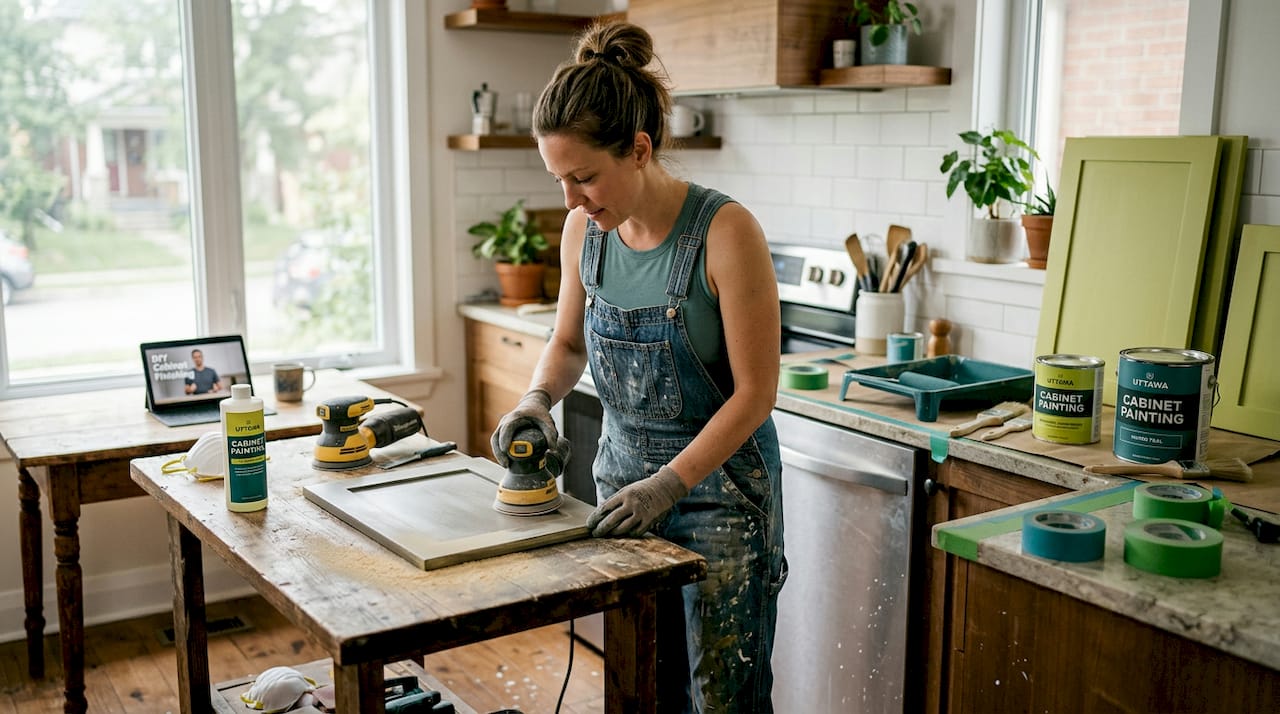
A thorough cabinet painting project involves removing all doors and hardware, cleaning, sanding, priming, painting multiple coats, applying a topcoat, and waiting through proper cure times before reinstalling everything. For an average Ottawa kitchen, that process takes roughly 7 to 10 days when done correctly. Rushing any phase compromises the entire job.
DIY attempts also carry hidden costs that are easy to overlook upfront:
Rental or purchase of a paint sprayer for a smooth finish
Primer, paint, and topcoat materials at professional grades
Sandpaper, tack cloths, degreaser, and masking supplies
Time lost correcting mistakes like drips, uneven coverage, or adhesion failures
Potential cost of repainting after a failed first attempt
Ottawa’s climate adds another layer of complexity to understanding cabinet painting timelines. High humidity in summer and extremely dry air in winter both affect how paint cures and adheres. Professional painters account for these conditions by adjusting application methods and timing accordingly. A DIYer who doesn’t know to check humidity levels before painting is starting at a disadvantage.
Professional spraying also produces a fundamentally different result than brushing or rolling. Spray application creates that smooth, factory-finished look that rolling simply cannot replicate. The equipment, technique, and environment control required are not minor considerations.
3. Myth: painted cabinets chip and peel quickly
This is perhaps the most widespread of all cabinet painting myths, and it persists for a specific reason. Most people base this belief on an actual experience, either their own or someone they know, where a painted cabinet job failed fast. What they rarely examine is why it failed.
Premature peeling almost always comes down to one of three causes: wrong primer, no topcoat, or insufficient curing time. When those three factors are handled correctly, professionally painted cabinets perform reliably for years, despite the skepticism that outdated DIY results have created.
Skipping the topcoat is the single most common mistake that causes failure within 12 to 18 months. A polycrylic or polyurethane topcoat creates a flexible, durable barrier over your paint that handles the daily contact, cleaning, and moisture exposure that kitchen cabinets face. Paint alone is not designed to carry that load.
The facts vs. myths cabinet painting conversation changes completely once you understand that durability is a system, not a single product choice.
Properly painted cabinets with professional-grade primer, paint, and topcoat typically last 8 to 10 years under normal kitchen conditions. That is a strong return on investment compared to the cost of full cabinet replacement.
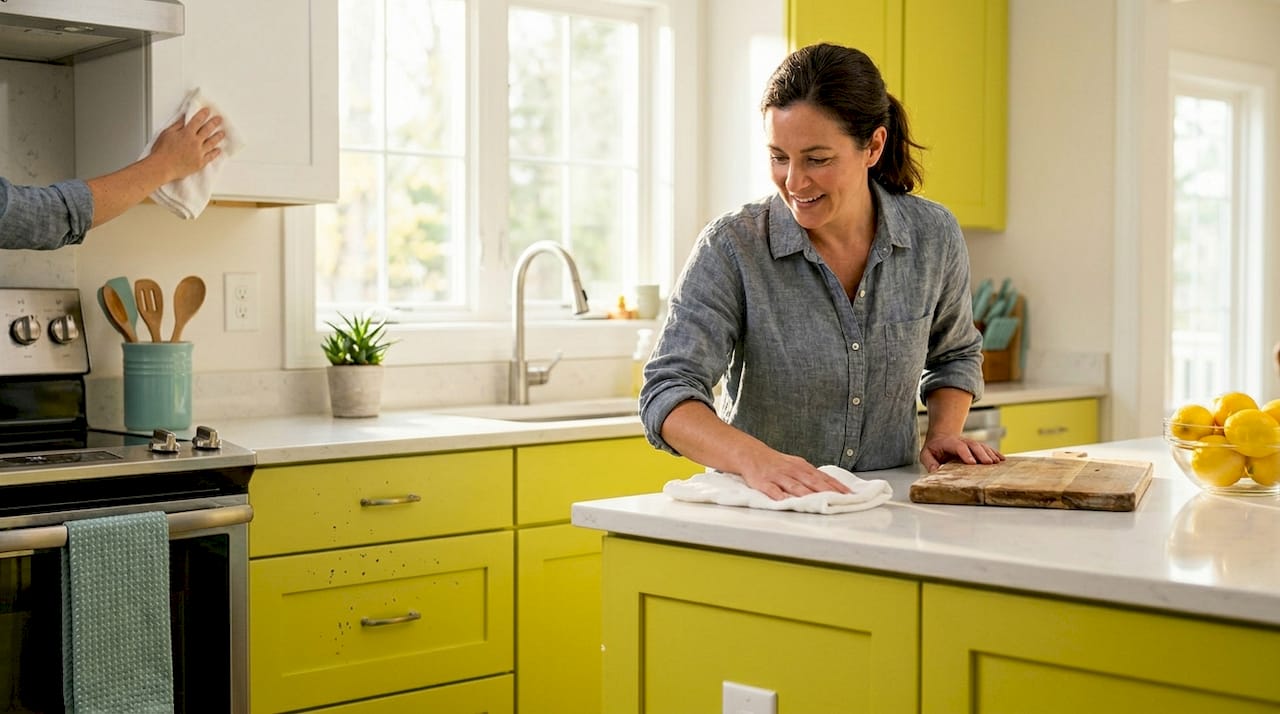
Maintenance plays a supporting role too. Wiping cabinets with a soft cloth and mild soap rather than abrasive cleaners preserves the topcoat. Avoid hanging wet dish towels on cabinet doors. Small habits protect years of finish life.
4. Myth: all cabinet materials can be painted the same way
This misconception catches a lot of homeowners off guard. Ottawa homes contain a wide variety of cabinet types, and the painting kitchen cabinets truth is that your material determines your entire approach.
Cabinet material | Primer type | Key prep consideration |
Solid wood | Shellac-based (Zinsser B-I-N) | Sand with grain, fill knots if needed |
MDF | High-build primer | Seal edges first to prevent swelling |
Laminate | Bonding primer (INSL-X Stix) | Scuff thoroughly, clean with acetone |
Thermofoil | Bonding primer, low heat | Avoid heat guns near edges to prevent lifting |
Material-specific primer selection is critical to avoiding adhesion failure and uneven finishes. MDF edges, for example, are extremely porous and will absorb paint like a sponge unless properly sealed first. Using the same approach on MDF that you’d use on solid wood produces blotchy, uneven results that no amount of sanding will fully correct.
Thermofoil presents its own challenge. The vinyl surface can actually separate from the substrate if heat is applied during surface prep. Working with thermofoil cabinets requires patience, the right bonding primer, and careful handling throughout the process.
Ottawa’s climate plays into material choice as well. Solid wood expands and contracts significantly with seasonal humidity swings. A high-quality, flexible topcoat applied over properly primed wood handles this movement without cracking. A rigid finish over unprepared wood, however, will show stress cracks within a single winter.
5. Myth: you can rehang cabinet doors right after painting
Rushing to reinstall is a recipe for disaster. This myth about cabinet refinishing is responsible for a significant share of “my paint job failed” stories.
There is a critical difference between dry time and cure time. Paint that feels dry to the touch has lost its surface solvent. Paint that has fully cured has completed its internal chemical cross-linking process and reached its designed hardness. Reinstalling doors before full cure means the paint is still soft. Hinges press into the surface, edges stick to frames, and you end up with marks and chips that cannot be undone without sanding and repainting.
The 24/24/24 rule provides a practical framework: wait 24 hours between coats, allow 24 hours before any light handling after the final coat, and avoid heavy daily use for at least 7 days after project completion. Full cure for most cabinet-grade paints runs 14 to 30 days depending on the product and environment.
Ottawa winters and summers both affect curing duration. Cold air slows solvent evaporation significantly. High humidity has the same effect. In practice, this means a project completed in January may need more cure time than the same project done in September.
Pro Tip: After reinstalling cabinet doors, leave them open for the first 48 hours. This prevents the door edges from bonding to the cabinet frame while the paint finishes curing.
6. Myth: paint-and-primer-in-one products are good enough
Combo products work well for many interior painting applications. Kitchen cabinets are not one of them. This is a misunderstood cabinet painting technique that catches even experienced DIYers.
The issue is chemistry. Two-in-one products do not provide the dedicated bonding agents required to grip slick cabinet surfaces. They are formulated for porous substrates like drywall, where adhesion happens naturally. On a factory-finished cabinet door, they sit on top of the surface rather than chemically bonding with it.
The professional approach relies on a three-layer system:
Bonding primer: chemically grips the factory finish and creates a surface the paint can adhere to
Cabinet-grade paint: designed specifically for high-contact surfaces with built-in hardeners
Protective topcoat: polycrylic or polyurethane applied over paint for impact and moisture resistance
System-matched primers and topcoats deliver maximum durability, especially in challenging kitchen environments. Professional painters source these products from suppliers who specialize in cabinet coatings, not big-box combo products designed for general use.
Skipping this system to save money on materials is a false economy. The time investment in the project remains the same whether you use the right products or the wrong ones. The only thing that changes is how long the results last.
7. Myths vs. facts: quick reference for Ottawa homeowners
Use this table as a fast reference when evaluating advice you’ve heard or read about cabinet painting.
Myth | Fact |
Any primer works on cabinets | Shellac-based or bonding primers are required for factory-finished surfaces |
Cabinet painting is a quick weekend project | A quality job takes 7 to 10 days including cure time |
Painted cabinets chip and peel quickly | With proper primer, topcoat, and cure time, results last 8 to 10 years |
All cabinet materials paint the same way | Wood, MDF, laminate, and thermofoil each need different primers and prep |
Doors can rehang right after painting | Full cure takes 14 to 30 days; premature installation causes permanent damage |
Paint-and-primer combos are sufficient | Dedicated bonding primer plus cabinet-grade paint and topcoat is the correct system |
For a deeper look at local considerations, the cabinet painting FAQ for Ottawa covers material-specific questions and climate-related prep guidance that applies directly to homes in our region.
My honest take on why these myths keep surviving
I’ve worked with Ottawa homeowners long enough to see a clear pattern. Most of the persistent cabinet painting myths out there trace back to a single source: someone tried a shortcut, it failed, and that failure became the story people tell. The failed project becomes the benchmark for what cabinet painting can do, rather than evidence of what the wrong process produces.
The other driver is the internet. There is no shortage of tutorials that make cabinet painting look like a two-day paint-and-done project. Some of those tutorials work fine for low-traffic furniture. Applied to kitchen cabinets, which see daily grease, moisture, and contact, the same approach fails within a year. Homeowners then conclude that cabinet painting doesn’t last. What they experienced was the result of skipping prep and using the wrong products, not a flaw in the process itself.
Ottawa’s climate also means you can’t copy what works in drier, more temperate regions. Seasonal humidity swings here affect wood movement and paint curing in ways that demand local knowledge. What works in Phoenix in July does not automatically translate to Ottawa in November.
What has proven consistently reliable in my experience is straightforward: dedicate time to prep, use material-appropriate bonding primers, apply a protective topcoat, and respect cure times. None of these steps are glamorous, but every single one of them matters.
— Ottawa
See what professional cabinet painting looks like
If you’ve been hesitant because of the myths covered in this article, we understand. At Ottawacabinetpainting, we work through each of these steps methodically, using professional-grade bonding primers, cabinet-specific coatings, and proper curing protocols designed for Ottawa’s climate. The result is a finish that looks factory-made and holds up for years. You can see the difference for yourself in our before and after gallery, or get started with a free quote through our cabinet painting service page. Your kitchen deserves better than a rushed job based on bad information.
FAQ
What primer should I use for kitchen cabinets?
Use a shellac-based primer like Zinsser B-I-N for wood cabinets, or a high-adhesion bonding primer like INSL-X Stix for laminate or thermofoil surfaces. Standard wall primers do not bond to factory-finished cabinet surfaces and will lead to peeling within months.
How long do painted kitchen cabinets actually last?
Properly painted cabinets using a bonding primer, cabinet-grade paint, and a polycrylic or polyurethane topcoat typically last 8 to 10 years under normal kitchen conditions. Longevity depends heavily on following correct cure times and using professional-grade materials throughout.
Can I paint over thermofoil or laminate cabinets?
Yes, but the prep and primer must match the material. Thermofoil and laminate require a dedicated bonding primer and thorough scuff sanding for reliable adhesion. Using a standard primer on these surfaces is a common cabinet painting misconception that leads to quick failure.
What is the 24/24/24 rule for cabinet painting?
The 24/24/24 rule means waiting 24 hours between coats, 24 hours before light handling after the final coat, and avoiding heavy use for at least 7 full days. This timeline allows the paint to fully cure and reach its designed hardness before doors are reinstalled or the kitchen returns to normal use.
Do I need a topcoat over cabinet paint?
Yes. Skipping the topcoat results in paint failure within 12 to 18 months. A polycrylic or polyurethane topcoat creates a protective barrier over your paint that handles daily contact, cleaning, and moisture exposure that kitchen cabinets face. It is not an optional finishing touch.
Recommended
Comments