Two-stage cabinet painting: lasting results for Ottawa homes

TL;DR:
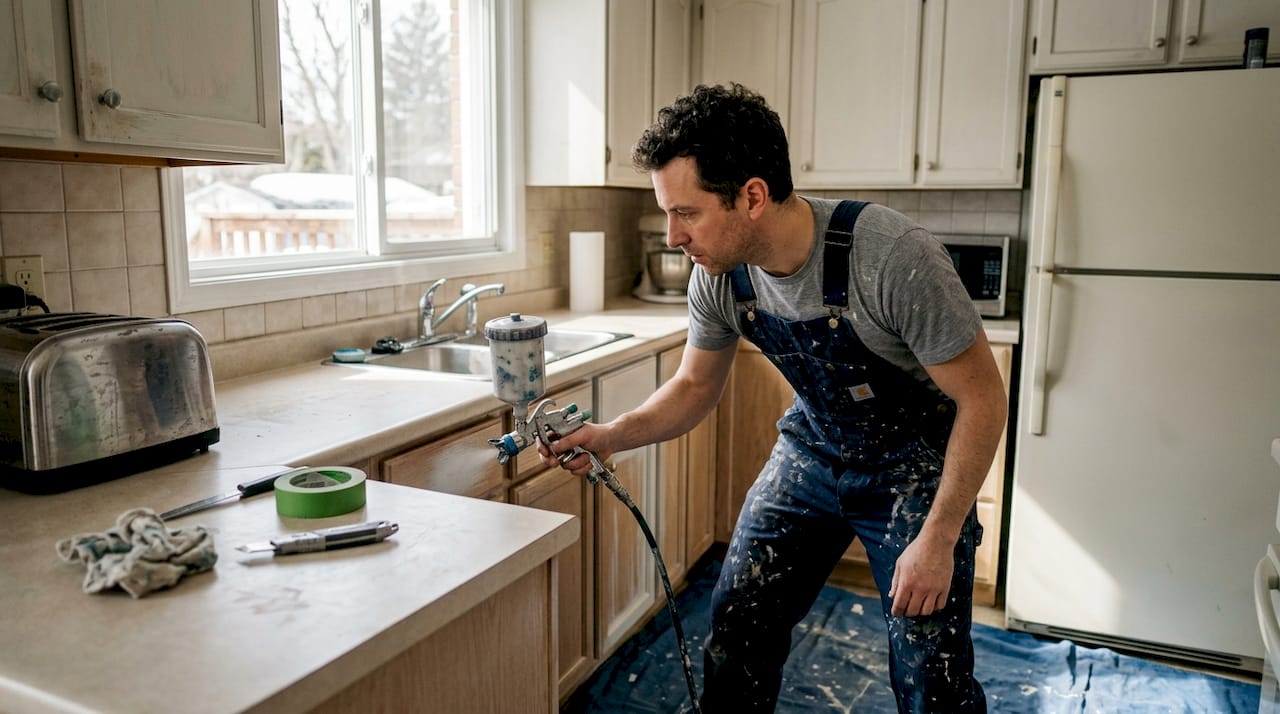
Two-stage cabinet painting offers a durable, seamless, factory-finished look lasting 6-15 years.
It involves professional spray application of a base coat and topcoat for long-term durability.
DIY methods typically last only 2-3 years and require frequent redoing.
Most Ottawa homeowners assume that any fresh coat of paint will give their kitchen a new look. But there’s a significant difference between a basic paint job and a professionally executed two-stage cabinet painting process. One holds up for a decade or more. The other starts showing chips, scratches, and dull spots within a couple of years. If you’re investing time and money into upgrading your kitchen, you deserve to know exactly what two-stage cabinet painting is, how it compares to other methods, and why it matters for homes right here in Ottawa.
Table of Contents
Key Takeaways
Point | Details |
Two-stage explained | It involves a base coat and protective topcoat for maximum durability and style. |
Long-term value | Professional two-stage finishes last up to 15 years, reducing the need for frequent repainting. |
Best for Ottawa homes | Two-stage painting withstands Ottawa’s climate and boosts kitchen value and visual appeal. |
Expert matters | Spray application delivers a flawless finish, unlike brush or roller techniques. |
What is two-stage cabinet painting?
Now that you know why a simple paint job doesn’t cut it, let’s break down what a true two-stage process looks like.
Two-stage cabinet painting is a professional finishing method that applies two distinct layers to your cabinet surfaces. Each layer has a specific job. Together, they create a finish that’s both beautiful and built to last. To understand the cabinet painting basics, it helps to see exactly what happens at each stage.
Stage 1: The base coat The first stage involves a primer or base coat designed to bond with the existing cabinet surface. This isn’t just any primer. Professionals often use shellac-based primer, which seals stains, prevents bleed-through, and creates a stable foundation for the color layer. Without this step, paint adhesion weakens fast.
Stage 2: The topcoat The second stage applies a specialty topcoat formulated for hardness, sheen, and resistance to everyday kitchen wear. This is where the finish gets its smooth, factory-finished look. A properly applied topcoat resists moisture, grease, and the kind of casual bumps that happen in a busy kitchen.
Here’s what makes the two-stage process distinct from a quick DIY approach:
Surface preparation comes first. Doors are removed, hardware is stripped, and every surface is cleaned, sanded, and degreased before anything is applied.
The base coat is spray-applied in a controlled environment, not brushed on by hand.
Sanding between stages ensures the surface is perfectly smooth before the topcoat goes on.
The topcoat is then spray-applied using professional equipment for a seamless, even finish.
Pro Tip: Ask any painter you’re considering whether they spray their coats or brush them on. Brush and roller applications leave behind visible texture. That textured look might seem minor, but it collects grease and grime faster and never achieves that clean, showroom finish.
“DIY and single-coat methods are cheaper short-term but typically fail within 2-3 years, while professional two-stage jobs last 6-15 years. Brush and roller applications leave surface texture that spray finishing eliminates entirely.”
The difference in durability and appearance between a true two-stage spray job and a brushed single coat is not subtle. It’s the difference between cabinets that look great for years and ones that need redoing before your mortgage renews.
How does two-stage painting compare to other methods?
Understanding the steps is key, but how does two-stage painting really stack up against other options?
When Ottawa homeowners start exploring cabinet upgrades, they typically come across three approaches: professional two-stage spray painting, DIY single-coat painting, and brush or roller application. Each one has a different cost, result, and lifespan.
Method | Avg. finish life | Appearance quality | Upfront cost | Maintenance |
Professional two-stage spray | 6-15 years | Smooth, seamless | Higher | Low |
DIY single-coat | 2-3 years | Textured, uneven | Low | High |
Brush/roller application | 2-4 years | Visible brush marks | Low-medium | Medium-high |
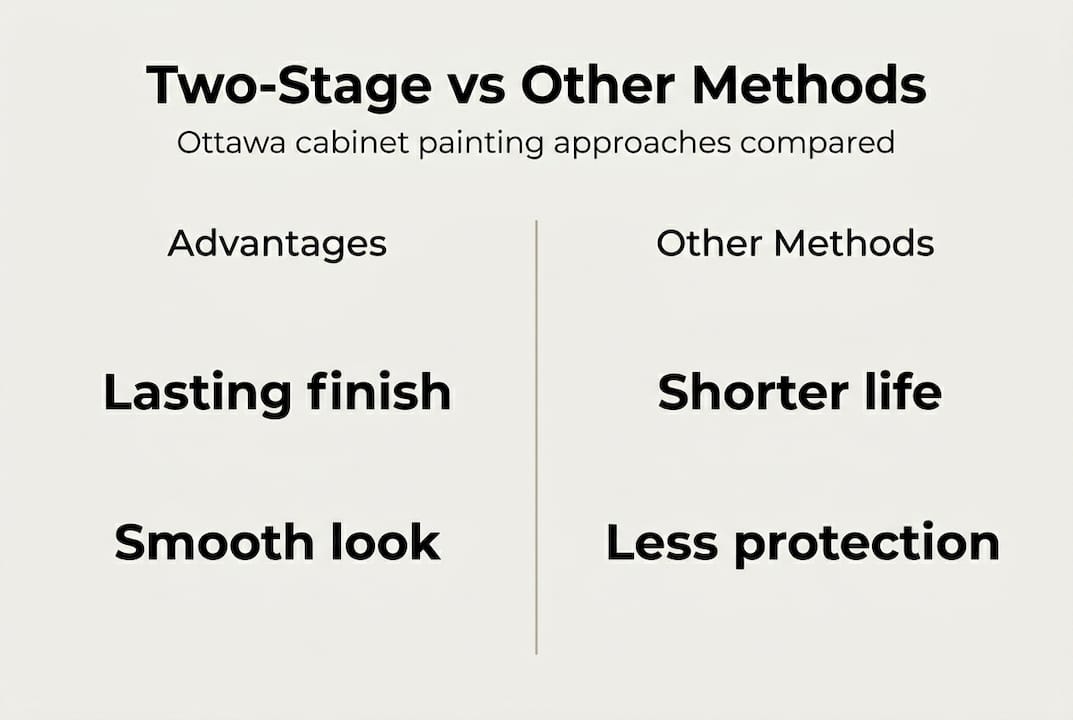
The two-stage professional jobs last 6-15 years, while single-coat DIY options may show wear in as little as 2-3 years. That gap is enormous when you consider what cabinet refinishing actually costs you in time, money, and household disruption.
Here are the key advantages that separate two-stage professional painting from the alternatives:
No brush marks or roller texture. Spray application produces a glass-like surface that looks and feels factory finished.
Longer lifespan. You won’t be repainting every couple of years.
Better adhesion. The base coat creates a bond that simple paint layers can’t match.
Uniform sheen. Every surface, edge, and corner gets the same consistent finish.
Less maintenance. Durable topcoats are easier to wipe down and more resistant to staining.
Many homeowners look at the upfront cost of professional work and decide to go DIY instead. That’s understandable. But learning about DIY cabinet painting risks often changes the calculation. When a DIY finish starts failing at the two-year mark, you’re back to buying supplies, clearing the kitchen, and spending several weekends redoing work you already paid for in time and money.
For a deeper look at how a professional handles every phase from start to finish, the full cabinet painting process explains exactly what’s involved and why each step matters.
Why Ottawa homeowners choose two-stage cabinet painting
While national comparisons are helpful, Ottawa has its own unique considerations. Here’s why locals opt for the two-stage process.
Ottawa’s climate is one of the most demanding on paint finishes in Canada. Temperatures swing from brutal winters well below freezing to humid summers that push indoor humidity levels up significantly. That expansion and contraction cycle puts stress on any coating applied to your cabinets. A basic single-stage finish simply doesn’t have the flexibility and hardness to hold up over time in this environment.
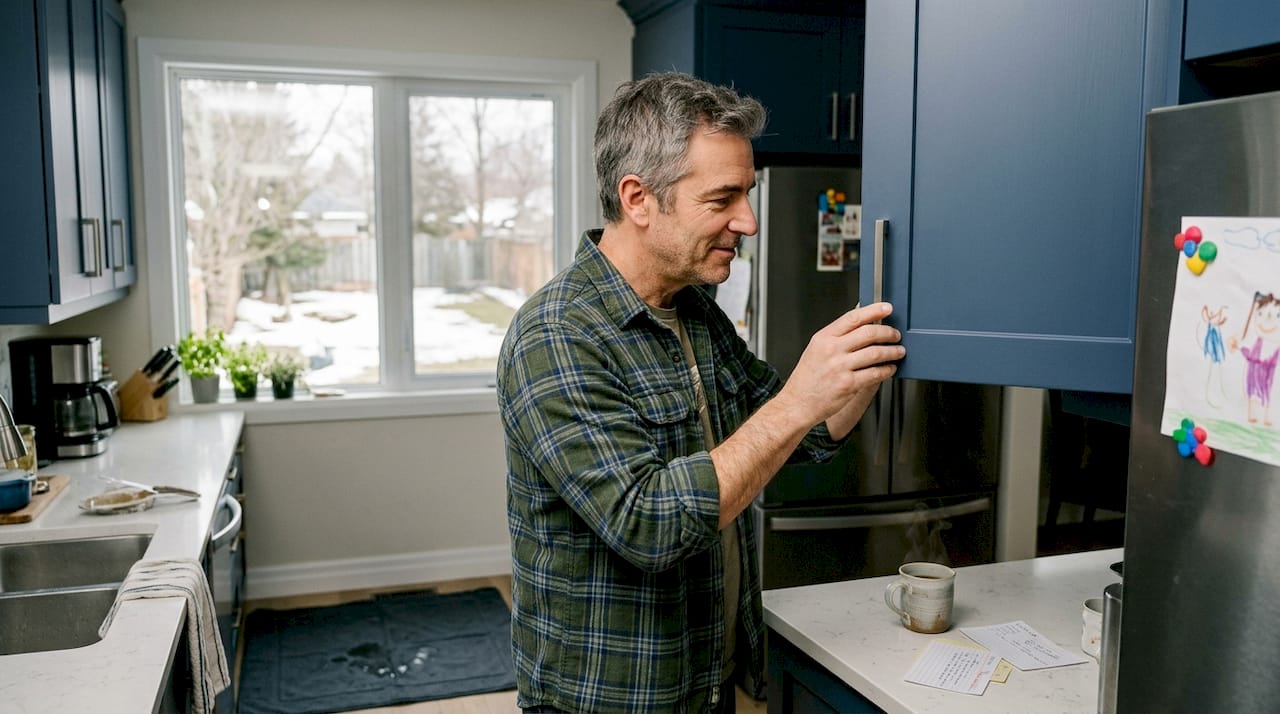
Professional-grade topcoats used in two-stage painting are formulated to resist exactly these conditions. They stay adhered through temperature swings and don’t peel or crack the way standard latex wall paint will when used on cabinet surfaces.
Beyond the climate, there are plenty of other reasons Ottawa homeowners are choosing this method:
Aesthetics. The smooth, showroom finish adds a genuinely modern look to your kitchen without full renovation.
Durability. Two-stage coatings handle daily cooking, cleaning, and general household traffic far better than alternatives.
Low maintenance. A quality topcoat wipes clean easily and doesn’t require special cleaning products.
Home value. Updated kitchens are a key selling point in Ottawa’s competitive real estate market.
Eco-friendliness. Refinishing existing cabinets keeps them out of the landfill and reduces the resources needed compared to full cabinet replacement.
The professional cabinet painting benefits go well beyond appearance. They include peace of mind knowing the finish was applied correctly and will actually hold up.
Pro Tip: Before you hire anyone, ask specifically whether they use a true two-stage process with spray application. Some painters call their work “professional” but still apply paint by brush or roller. The kitchen cabinet painting tips from experienced Ottawa painters always stress this point. Spray application isn’t optional if you want a finish that matches the look of brand-new cabinets, as sprayed finishes consistently outperform rolled or brushed alternatives in both smoothness and durability.
Is two-stage cabinet painting right for your kitchen?
Understanding local benefits is great. Now, is this approach the upgrade your kitchen needs?
Not every kitchen is in the same situation. The right choice depends on your cabinets, your household, and your goals. Here’s a practical way to think through it.
Situation | Best approach |
Solid wood or MDF cabinets in good shape | Two-stage professional painting |
Laminate cabinets with peeling surface | Full replacement recommended |
High-traffic kitchen with kids or pets | Two-stage for durability |
Planning to sell within 1-2 years | Two-stage for maximum visual impact |
Very tight budget, short-term fix needed | DIY single-coat, with expectations set |
For most Ottawa homeowners with structurally sound cabinets, the two-stage method is the stronger investment. Professional jobs cost more upfront, but the cabinet finish lasts at least 2-4 times longer than DIY alternatives. That math adds up quickly when you factor in the cost of repeat work.
Here are the numbered steps for moving forward with a professional in Ottawa:
Assess your cabinets. Check for structural damage, delamination, or warping. Paint can’t fix underlying problems.
Research local painters. Look for companies that specifically use a two-stage spray process, not just general painters.
Ask for detailed quotes. A good quote will outline the number of coats, the products used, and the timeline.
Confirm the warranty. Reputable Ottawa painters stand behind their work with multi-year guarantees.
Review before-and-after examples. Visual evidence of past work tells you more than any sales pitch.
For the most current guidance on technique and what to look for in 2026, the best cabinet painting techniques resource is a strong starting point. And if you have specific questions before committing, the cabinet painting FAQ covers the most common homeowner concerns in detail.
The truth about long-lasting cabinet upgrades
After weighing all these factors, here’s what experience really shows about cabinet upgrades.
We’ve seen it many times. A homeowner tries to save money with a DIY paint job or hires a painter who skips the proper prep and topcoat stages. Two years later, the finish is chipping at the corners, yellowing near the stove, and peeling around the handles. Then they call us.
The cost of doing it right the second time is always higher than doing it right the first time. You’re paying for the repair, the prep to remove a failed finish, and then the full process again. That’s a painful lesson that could have been avoided.
The most beautiful, functional kitchens we’ve worked on all have one thing in common: the owners made a long-term decision. They chose durability over the appearance of savings. They understood that DIY single-coat jobs often require repeat work after just 2-3 years, while professional two-stage projects can last 6-15 years.
If you want your kitchen to stay beautiful for years, the right space-boosting cabinet tips always start with investing in the right process. Shortcuts rarely hold up. Quality craftsmanship always does.
Ready for professional results?
If you’re thinking about moving forward with a kitchen upgrade, here’s how to get started.
At Ottawa Cabinet Painting, we specialize in the full two-stage spray process. We don’t cut corners on prep, and we don’t rush the finish. Every project gets the same meticulous attention, from the first sanding pass to the final topcoat. If you’re ready to see what your kitchen could look like with a seamless, durable, factory-finished result, we’d love to show you. You can explore free spray painting quotes to get the process started, or browse our interior painting services to see the full range of what we offer. Your kitchen deserves a finish that lasts.
Frequently asked questions
How long does two-stage cabinet painting last?
Professional two-stage cabinet painting typically lasts 6-15 years, compared to only 2-3 years for most DIY methods. The durability gap comes down to materials, technique, and proper surface preparation.
What are the steps in two-stage cabinet painting?
Two-stage cabinet painting starts with a base coat for adhesion and color, followed by a durable specialty topcoat for protection and finish. Both coats are spray-applied by professionals for a seamless, smooth result.
Is two-stage cabinet painting more expensive?
Yes, the upfront cost is higher than DIY, but it saves money long-term by lasting significantly longer and avoiding costly repeat work every few years.
Can I do two-stage cabinet painting myself?
Technically possible, but the results are rarely comparable. Professional spray equipment produces a smoother, more durable finish than what most homeowners can achieve with brushes or consumer-grade sprayers.
Recommended
Comments