7 Smart Kitchen Layout Ideas for Cost-Effective Remodeling
Most Ottawa homeowners believe a stylish kitchen makeover means sky-high renovation bills, yet cabinet refinishing can deliver results that rival American designer kitchens for a fraction of the cost. Busy families need practical solutions that keep disruption to a minimum while elevating function and aesthetics. Discover how smart planning, strategic zone layouts, and modern finishes save time and money without sacrificing quality or comfort in your home’s most important gathering space.
Table of Contents
Quick Summary
Key Message | Explanation |
1. Create Functional Zones | Designate areas for preparation, cooking, cleaning, and storage to enhance kitchen flow and efficiency. |
2. Optimize Cabinet Placement | Position cabinets near their usage areas to minimize movement and improve organization during cooking and cleaning. |
3. Use Light and Color Strategically | Light colors and layered lighting can create an illusion of space, making smaller kitchens feel larger and more inviting. |
4. Consider Kitchen Islands | Utilize kitchen islands for extra storage, workspace, and seating, enhancing functionality and social interaction in the kitchen. |
5. Implement Corner Solutions | Use rotating or pull-out corner storage solutions to maximize often-overlooked kitchen spaces and reduce clutter. |
1. Highlight Functional Zones for Easy Workflow
Creating a smart kitchen layout is all about maximizing efficiency through strategic zone planning. Your kitchen should work like a well-choreographed dance where every area serves a specific purpose and helps you move smoothly between tasks.
A professional kitchen design focuses on creating distinct functional zones that minimize unnecessary movement and streamline your cooking experience. Strategic kitchen zoning helps compartmentalize different activities to make meal preparation and cleanup significantly easier. The key areas to consider are preparation, cooking, cleaning, and storage zones.
Imagine your kitchen divided into logical spaces where each zone has a clear purpose. Your preparation zone should include ample counter space near key tools like cutting boards and knives. The cooking zone centers around your stove and includes nearby spice racks and cooking utensils. The cleaning zone typically surrounds the sink and dishwasher, making post meal cleanup efficient. Storage zones near the refrigerator and pantry allow easy access to ingredients.
According to kitchen design experts, maintaining sufficient counter space between these zones and ensuring clear pathways prevents bottlenecks and enhances overall kitchen functionality. Aim for at least 42 to 48 inches of walkway space to allow comfortable movement, especially in smaller Ottawa kitchens.
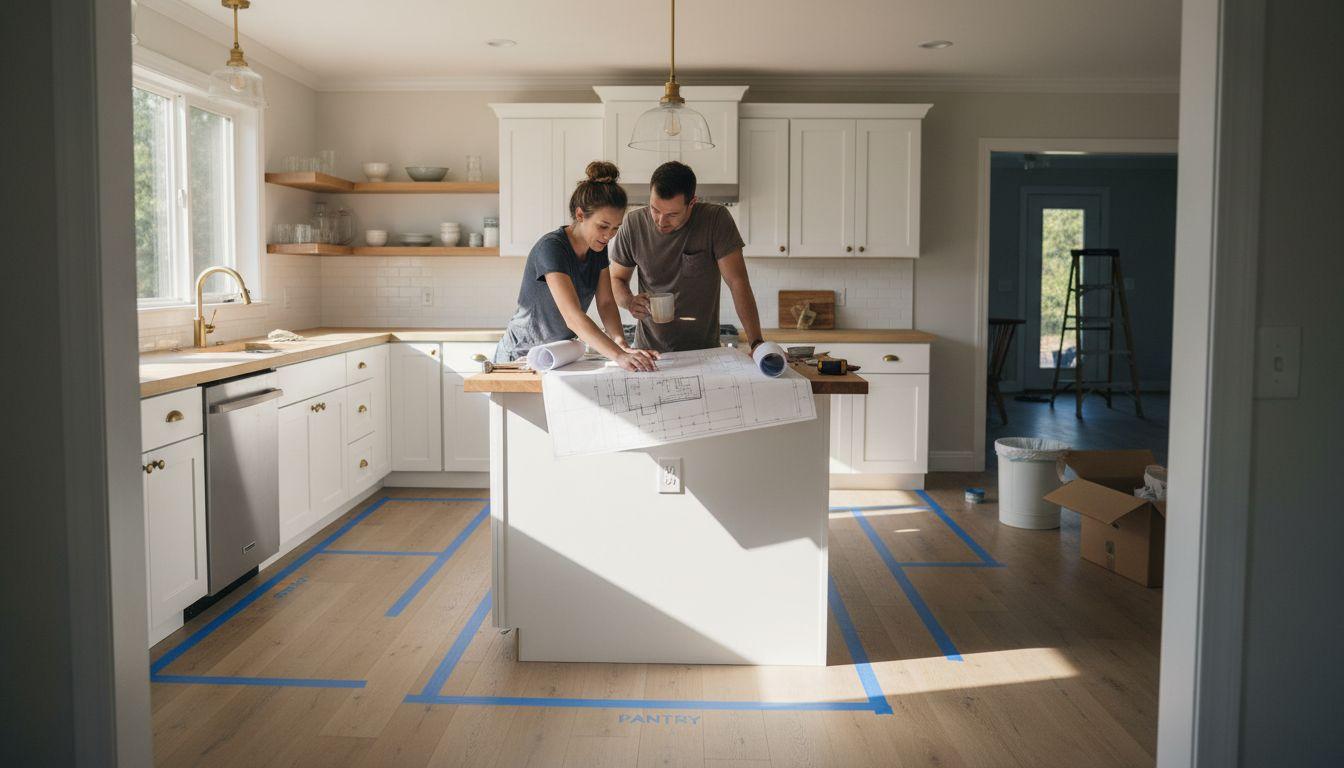
Pro tip: When planning your kitchen zones, use painter’s tape on the floor to map out potential layouts and test walking paths before making any permanent changes.
2. Maximize Cabinet Space with Strategic Placement
Transforming your kitchen storage begins with understanding how strategic cabinet placement can dramatically improve functionality and organization. Your cabinets are more than just storage spaces they are critical tools for creating an efficient cooking environment.
Strategic cabinet layout helps optimize storage capacity and accessibility by positioning storage solutions precisely where you need them most. The key is aligning your cabinet placement with your kitchen’s natural workflow and specific usage patterns.
Consider creating zone specific storage near their primary points of use. Pots and pans should live close to your cooking area, baking supplies near the oven, and dishes adjacent to the clean-up zone. This approach minimizes unnecessary movement and makes cooking and cleaning significantly more streamlined.
Vertical space is your secret weapon in maximizing cabinet storage. Tall cabinets can extend storage capacity upward, utilizing often overlooked overhead areas. Deep drawers and pull-out shelves provide additional organizational opportunities, allowing you to store more while keeping items easily accessible. Custom organizational elements like pull-out racks and dividers help fully utilize available storage.
Pro tip: Install adjustable shelf supports in your cabinets to customize interior spaces and accommodate items of varying heights without permanent modifications.
3. Open Up the Room Using Light and Color
Creating an open and inviting kitchen is about more than just physical space it is about perception and atmosphere. Light and color are powerful tools that can transform your kitchen from cramped to comfortable without expensive renovations.
Strategic use of light and color can dramatically expand the visual perception of your kitchen, making even small spaces feel larger and more welcoming. The secret lies in understanding how different design elements interact to create a sense of openness.
Light Colors are your primary weapon in creating a spacious feel. Soft whites, pale grays, and gentle pastels reflect more light and create an illusion of depth. Consider painting walls and selecting cabinet finishes in these lighter tones to instantly make your kitchen feel more expansive.
Lighting plays an equally critical role. Layered lighting combines ambient overhead lights, task lighting under cabinets, and accent lights to eliminate shadows and create a bright, open environment. Natural light is also crucial place mirrors strategically to reflect existing light and create the impression of additional windows.
Reflective surfaces like glass backsplashes, stainless steel appliances, and glossy tiles can amplify light and create visual depth. These materials bounce light around the room, making spaces feel larger and more dynamic.
Pro tip: Choose paint with a subtle sheen like satin or semi gloss to enhance light reflection and make cleaning easier in high traffic kitchen areas.
4. Add Islands for Extra Storage and Seating
The kitchen island represents more than just an additional countertop it is a multifunctional centerpiece that can revolutionize your cooking and social spaces. A well designed island transforms your kitchen from a simple cooking area into a dynamic gathering spot.
Kitchen islands offer remarkable flexibility in creating efficient work triangles and additional functionality, making them a smart investment for any home renovation. They provide extra workspace, storage solutions, and casual seating areas that can dramatically improve your kitchen’s usability.
Storage Potential is one of the most significant advantages of a kitchen island. By incorporating base cabinets and drawers, you instantly create additional space for cookware, small appliances, and kitchen accessories. These versatile additions optimize space usage and support multiple users working simultaneously, reducing kitchen congestion.
When planning your island, consider its potential functions. Some homeowners integrate a sink or cooktop, while others prioritize seating with bar stools. Your island can include built-in wine refrigerators, microwave drawers, or specialized storage for cutting boards and baking sheets.
Size and proportion matter significantly. A kitchen island should complement your existing space without overwhelming it. Measure carefully and ensure you maintain at least 36 to 48 inches of walking space around the island to preserve comfortable movement.
Pro tip: Choose an island with a contrasting countertop color to create visual interest and define the space as a distinct functional zone within your kitchen.
5. Utilize Corner Solutions to Reduce Clutter
Kitchen corners are notorious for becoming dark, forgotten spaces where items vanish into unreachable depths. But with smart design strategies, those awkward angles can transform into highly functional storage zones that maximize every square inch of your kitchen.
Corner cabinets with specialized storage solutions can dramatically improve kitchen organization, turning wasted space into practical storage opportunities. These innovative solutions prevent clutter and make every inch of your kitchen work harder for you.
Rotating Storage Solutions like lazy Susans are game changers for corner cabinet functionality. These spinning shelves allow you to access items in deep corner spaces with a simple turn, eliminating the frustration of digging through dark cabinets. Specialized corner fittings help optimize storage capacity without compromising room flow.
Consider different corner storage options based on your specific needs. Diagonal corner cabinets with pull-out shelves work well in smaller kitchens. For larger spaces, blind corner cabinets with swing-out mechanisms can provide expansive storage while keeping items easily accessible.
Material and design matter when selecting corner solutions. Look for sturdy shelving that can handle the weight of small appliances, cookware, and pantry items. Soft close mechanisms and smooth gliding tracks ensure these specialized storage units remain functional and quiet.
Pro tip: Measure your corner spaces precisely before purchasing storage solutions to ensure a perfect fit and maximum efficiency.
6. Choose Paint Finishes for Modern Appeal
Paint finishes are the silent heroes of kitchen design, transforming spaces with their subtle yet powerful visual impact. The right finish can elevate your kitchen from ordinary to extraordinary, creating a modern aesthetic that feels both sophisticated and functional.
Modern kitchen appeal depends significantly on selecting the right paint finish that balances style with practical performance. Different finishes offer unique advantages that go far beyond simple color selection.
Finish Types play a crucial role in your kitchen’s overall look and maintenance. Semi-gloss and satin finishes are standout choices for contemporary kitchens. These finishes provide sleek appearances while offering superior resistance to stains and moisture.
Semi-gloss finishes reflect more light, making smaller kitchens appear larger and brighter. They are exceptionally easy to clean, ideal for areas prone to splashes and fingerprints. Satin finishes offer a softer, more muted sheen that hides minor surface imperfections while maintaining a modern, clean appearance.
Consider your kitchen’s lighting and color palette when selecting a finish. Lighter colors with semi-gloss or satin finishes can create an illusion of more space, while darker tones can add depth and drama without overwhelming the room.
Pro tip: Always purchase a small sample and test your chosen paint finish in the actual kitchen lighting to ensure it delivers the exact look and feel you desire.
7. Plan Lighting to Enhance Kitchen Layout
Lighting transforms a kitchen from a mere cooking space into the heart of your home. The right lighting strategy can make your kitchen feel larger, more inviting, and significantly more functional.
Strategic lighting design complements kitchen layout by providing clear visibility and creating an inviting atmosphere. Thoughtful illumination goes beyond simply brightening a room it creates zones, highlights design elements, and supports various activities.
Layered Lighting is the professional approach to kitchen illumination. This method involves combining ambient, task, and accent lighting to create a comprehensive and adaptable lighting environment. Ambient lighting provides overall room illumination, typically through recessed ceiling lights. Task lighting focuses on specific work areas like countertops and cooking zones, often implemented with under-cabinet LED strips.
Pendant lights over kitchen islands serve dual purposes they provide targeted task lighting and act as decorative elements that enhance your kitchen’s style. Consider dimmer switches to adjust lighting intensity based on the time of day or specific activities like cooking, cleaning, or entertaining.
Color temperature matters significantly. Warm white lights around 2700 to 3000 Kelvin create a cozy atmosphere, while cooler lights between 3500 to 4100 Kelvin offer a crisp, clean feel that mimics natural daylight and supports detailed tasks.
Pro tip: Install motion sensor lights in pantry and cabinet interiors to automatically illuminate these spaces when doors are opened, making item retrieval easier and more convenient.
Below is a comprehensive table summarizing the main strategies and considerations for designing a functional and visually appealing kitchen layout, as discussed in the article.
Topic | Description | Key Insights |
Kitchen Functional Zones | Dividing the kitchen into zones for preparation, cooking, cleaning, and storage maximizes efficiency and workflow. | Provides clear organization; recommended walkway space of 42–48 inches ensures ease of movement. |
Cabinet Placement Strategy | Aligning cabinet storage with functional zones simplifies accessibility and enhances space utility. | Leverages vertical space with tall cabinets and custom solutions like pull-out racks to optimize storage. |
Light and Color Application | Using light colors and multiple light sources creates an open and inviting atmosphere in the kitchen. | Reflective surfaces and layered lighting improve appearance and functionality. |
Kitchen Islands | Introduce an island for extra counter space, storage, and social area, tailored to fit your kitchen’s dimensions. | Offers multifunctionality, such as integrated appliances or seating; requires 36–48 inches of surrounding walking space. |
Corner Storage Solutions | Innovative corner storage strategies maximize otherwise unused spaces. | Options include lazy Susans and pull-out shelves, improving accessibility and reducing clutter. |
Paint Finishes | Select semi-gloss or satin finishes for a modern look that resists stains and moisture. | Enhances lighting effects and simplifies maintenance, ideal for high-traffic areas. |
Enhanced Lighting Strategy | Employ a layered lighting approach combining ambient, task, and accent lighting for targeted illumination and ambiance. | Consider adjustable features like dimmers and prioritize task-centric placements, such as pendants over islands and LED strips under cabinets. |
Transform Your Kitchen Layout with Cost-Effective Cabinet Solutions
The article highlights common challenges in kitchen remodeling such as optimizing functional zones, maximizing storage, and creating an open, inviting space without blowing your budget. Many homeowners face frustration with costly and disruptive full renovations while wanting their kitchen to feel modern, practical, and warm. The emphasis on strategic zoning, smart storage like cabinetry near cooking zones, and enhancing room perception with light and color all point to a key goal: achieving a beautiful and efficient kitchen without replacing everything.
At Ottawa Cabinet Painting, we specialize in exactly this kind of transformation. Our professional cabinet painting and refinishing services let you revitalize your existing cabinets to look high-end and modern while preserving your kitchen’s layout and minimizing disruption. Imagine refreshing your kitchen’s preparation, cooking, and storage zones with cabinets that shine in light colors and satin finishes to open up the room. With our meticulous prep work and premium paint application, we deliver a durable, silky smooth finish that complements the smart design ideas in the article.
Ready to elevate your kitchen’s flow and style without the chaos or cost of a full remodel? Visit Ottawa Cabinet Painting today to request a quote and discover how our 6-year warranty backed services can make your kitchen the heart of your home once again.
Frequently Asked Questions
What are the key zones to consider in a smart kitchen layout?
Creating a smart kitchen layout involves focusing on four main zones: preparation, cooking, cleaning, and storage. Allocate specific areas for each task to improve efficiency and minimize unnecessary movement.
How can I maximize cabinet space in my kitchen remodel?
To maximize cabinet space, place storage solutions near their primary points of use, such as keeping pots and pans close to the stove. Additionally, consider using vertical space by installing tall cabinets or incorporating pull-out shelves to enhance storage capacity.
What color schemes work best for creating an open feel in a small kitchen?
To create an open and inviting atmosphere in a small kitchen, opt for light colors like soft whites and pale grays. These colors reflect more light and can visually expand the space.
How can I utilize a kitchen island effectively?
A kitchen island can serve multiple purposes, such as providing extra workspace, storage, and seating. Plan your island’s size and function carefully, ensuring at least 36 to 48 inches of walkway around it for comfortable movement.
What types of lighting should I use for optimal kitchen layout?
Implement layered lighting in your kitchen with ambient, task, and accent lighting. Use recessed lights for overall illumination, under-cabinet LEDs for task lighting, and decorative pendant lights over islands to enhance both functionality and style.
How can I improve clutter in corner kitchen spaces?
Transform corner spaces by using rotating storage solutions, like lazy Susans, to enhance accessibility. Additionally, consider diagonal corner cabinets with pull-out shelves to maximize storage capacity in those often-overlooked areas.
Recommended
Comments