Sheen's Role in Cabinet Aesthetics for Ottawa Homes

TL;DR:
Sheen influences cabinet appearance by controlling light reflection, color vibrancy, and surface flaw visibility.
For durability and ease of maintenance in Ottawa kitchens, satin or semi-gloss finishes are typically recommended over matte or high-gloss options.
Sheen is defined as the degree of light reflection a paint finish produces on a cabinet surface, and it directly shapes how your kitchen looks, feels, and holds up over time. The role of sheen in cabinet aesthetics goes far beyond a simple choice between shiny and flat. It controls color vibrancy, hides or reveals surface flaws, affects how light moves through your kitchen, and determines how easy your cabinets are to clean after a busy weeknight. The four main sheen levels used in cabinetry are matte, satin, semi-gloss, and gloss, and each one produces a distinct visual and functional result. Choosing the right one for your Ottawa kitchen is one of the most consequential decisions in any cabinet refinishing project.
How sheen levels influence the look and feel of Ottawa kitchen cabinets
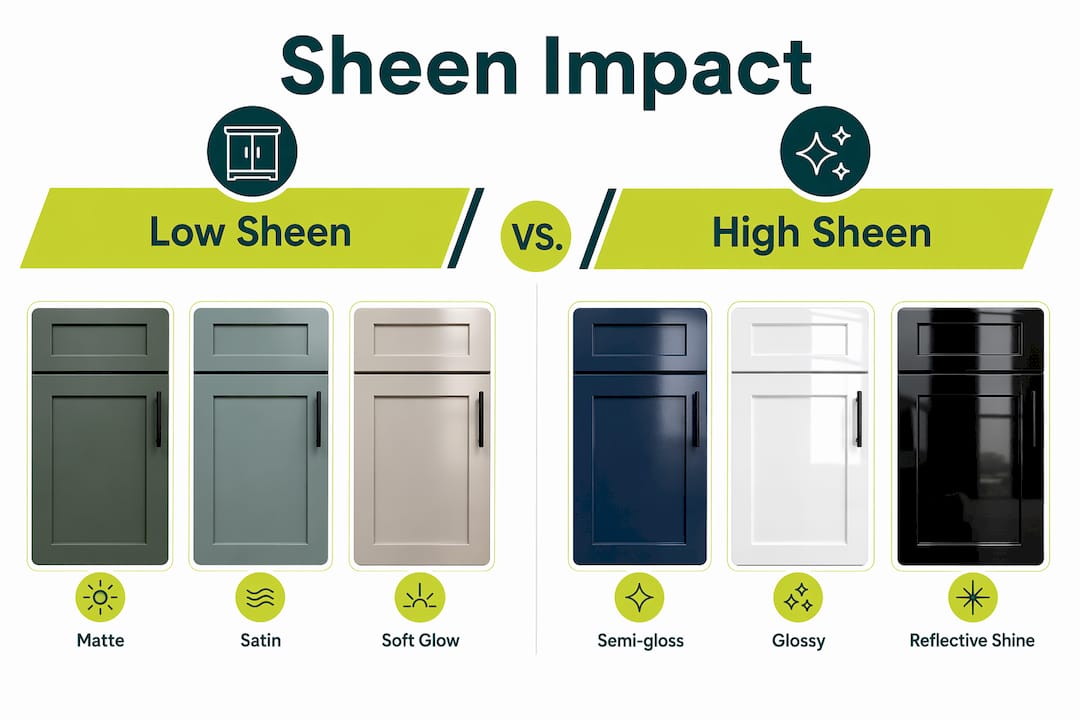
The sheen impact on cabinets is most visible in how each finish interacts with light. Matte finishes absorb light and produce a soft, understated appearance that reads as modern and sophisticated in the right setting. That light-absorbing quality also means matte hides minor surface imperfections well, which makes it a practical choice for older cabinet boxes that have seen some wear. Flat-front Shaker-style cabinets in a contemporary Ottawa kitchen, for example, look especially refined in a matte finish because the absence of shine keeps the focus on clean lines and color.
Satin sits in the middle of the sheen spectrum and delivers a gentle, low-key glow that brightens a space without creating glare. Approximately 65% of new factory-painted cabinets use satin sheen, which reflects its dominance in the 2026 cabinetry market. That number tells you something important: professional manufacturers default to satin because it performs well across the widest range of kitchens and lifestyles. It works in traditional, transitional, and casual contemporary designs alike.
Semi-gloss produces a noticeable shine that amplifies color saturation and gives cabinets a crisp, polished appearance. Sheen level changes perceived color vibrancy, meaning the same paint color will look noticeably richer and more saturated in semi-gloss than in satin. This matters when you are choosing a deep navy or forest green for your lower cabinets. The added reflectivity in semi-gloss makes those colors pop in a way that matte simply cannot match.
Gloss is the most dramatic option. High-gloss finishes create mirror-like reflectivity, which can make a small or dim kitchen feel visually larger and more open. The trade-off is that gloss reveals every fingerprint, brush mark, and surface flaw with unforgiving clarity. It suits sleek, minimalist kitchens where cabinet surfaces are in excellent condition and the homeowner is committed to frequent wiping.
Sheen level | Visual effect | Best suited for |
Matte | Soft, flat, light-absorbing | Modern, contemporary, low-traffic kitchens |
Satin | Gentle glow, balanced | Most kitchen styles and usage levels |
Semi-gloss | Crisp shine, color-amplifying | High-traffic kitchens, bold color choices |
Gloss | Mirror-like, expansive | Minimalist kitchens with flawless cabinet surfaces |
Matte works best in kitchens where style takes priority over heavy daily use
Satin is the go-to finish for families who want durability without a high-shine look
Semi-gloss suits kitchens where color vibrancy and easy cleaning are both priorities
Gloss is a statement finish that requires surface perfection and consistent maintenance
How sheen affects durability and cabinet maintenance
The importance of sheen in cabinetry becomes clearest when you think about what kitchen cabinets actually endure. Grease splatter near the stove, steam from boiling water, sticky hands reaching for handles after cooking. Not every finish handles those conditions equally.
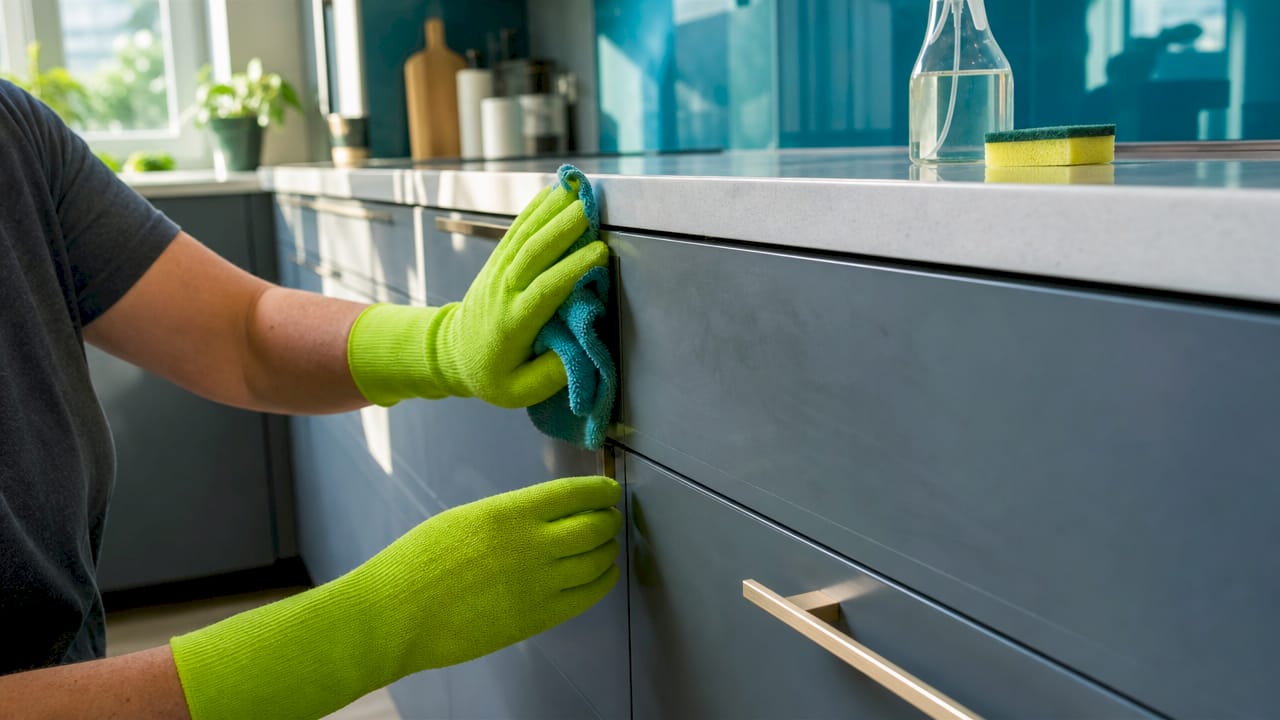
Semi-gloss finish is widely recommended for high-traffic kitchens because it offers superior moisture and grease resistance. The reason comes down to molecular density. High-sheen finishes have denser molecular structures that resist oil and water penetration more effectively than matte coatings. A semi-gloss cabinet near your Ottawa stovetop will wipe clean with a damp cloth in seconds, while a matte finish in the same spot requires more careful attention.
Matte finishes can trap microscopic food particulates and dull over time if cleaned too aggressively. This is the maintenance reality that many homeowners discover after the fact. Scrubbing a matte cabinet with an abrasive sponge to remove a grease stain can damage the finish permanently. Matte requires gentle, pH-neutral cleaners and soft cloths, which adds time to your cleaning routine.
Satin strikes the most practical balance. It resists everyday kitchen moisture and grease well enough for most households, and it tolerates regular cleaning without degrading the way matte does. For Ottawa families with children or anyone who cooks frequently, satin is the finish that holds up without demanding constant attention.
Here is a quick maintenance guide by sheen level:
Gloss: Wipe daily with a microfiber cloth. Use mild soap and water. Avoid abrasive cleaners entirely.
Semi-gloss: Clean with a damp cloth as needed. Tolerates most household cleaners without damage.
Satin: Wipe with a soft cloth and mild cleaner. Avoid prolonged moisture exposure near seams.
Matte: Use only gentle, non-abrasive cleaners. Blot spills immediately. Never scrub.
Pro Tip: Before choosing a sheen level, honestly assess how often you cook and how you clean. If you wipe cabinets down weekly with whatever cleaner is under the sink, semi-gloss or satin will serve you far better than matte over a five-year period.
You can read more about how paint sheen affects durability on the Ottawacabinetpainting blog, where the practical differences between finishes are broken down in detail.
How Ottawa lighting conditions should guide your sheen choice
Ottawa kitchens vary widely in how much natural light they receive. A south-facing kitchen in Barrhaven with large windows behaves completely differently from a north-facing galley kitchen in the Glebe. How sheen influences cabinet design in your specific space depends heavily on that lighting reality.
Glossy and semi-gloss sheens reflect both natural and artificial light back into the room. In a darker Ottawa kitchen that gets limited winter sunlight, this reflectivity is genuinely useful. It brightens the space without adding a light fixture. Lighting conditions dramatically influence sheen appearance in real kitchens versus showrooms, which is why a finish that looked perfect at a design center can feel overwhelming once it is installed under your actual kitchen lighting.
Here is a practical framework for matching sheen to Ottawa kitchen lighting:
Bright, sunlit kitchen: Choose matte or satin. Direct sunlight on a gloss cabinet creates harsh glare and makes the space feel visually busy. Satin adds warmth without competing with natural light.
North-facing or low-light kitchen: Choose semi-gloss or gloss. The added reflectivity compensates for limited daylight and keeps the kitchen feeling open and bright, especially during Ottawa’s long winters.
Mixed lighting with under-cabinet LEDs: Satin or semi-gloss both work well. Under-cabinet lighting creates a warm, directional glow that pairs naturally with a moderate sheen level.
Small kitchen where you want the space to feel larger: Gloss on upper cabinets combined with a light color creates a visual expansion effect. The mirror-like quality of gloss pushes the eye outward.
The relationship between cabinet color and lighting is worth understanding before you finalize any sheen decision, because color and sheen interact together to produce the final visual result in your kitchen.
Common mistakes Ottawa homeowners make with sheen selection
Choosing a sheen based on a small paint chip under fluorescent store lighting is one of the most common and costly mistakes in cabinet refinishing. Showroom lighting differs significantly from home environments, and a finish that looks elegant in a design center can appear flat or overly shiny once applied to your actual cabinets. The fix is simple: always test a sample in your kitchen at different times of day before committing.
A second major mistake is selecting a high-gloss finish without preparing cabinet surfaces properly. Higher sheen finishes require better surface preparation because they highlight every imperfection in the substrate. A gloss finish applied over cabinets with old filler marks, uneven texture, or previous paint buildup will make those flaws more visible, not less. Satin is far more forgiving on imperfect surfaces, which is why professionals often recommend it when cabinet boxes show their age.
Homeowners often err by prioritizing appearance alone without considering daily kitchen activities and maintenance. The most beautiful finish in the showroom becomes a source of frustration if it cannot handle your actual kitchen life.
Choosing matte for a high-traffic kitchen is a third mistake that shows up regularly. Matte looks stunning in design photography, but those kitchens are not being used to cook dinner for four people every night. If your Ottawa kitchen sees heavy daily use, matte will require more upkeep than most homeowners anticipate.
Pro Tip: Before finalizing your sheen choice, examine your cabinet surfaces in direct light. Run your hand across the surface and look for dents, old repairs, or texture variation. If you find any, step down one sheen level from your original plan. The finish will look cleaner and more professional as a result.
Practical steps to select the right sheen for your Ottawa kitchen cabinets
Getting the sheen right is a process, not a single decision. Here is how to approach it methodically:
Assess your cabinet surface condition. Look at your cabinet doors in direct light. Smooth, well-maintained surfaces can support semi-gloss or gloss. Surfaces with minor imperfections are better suited to satin.
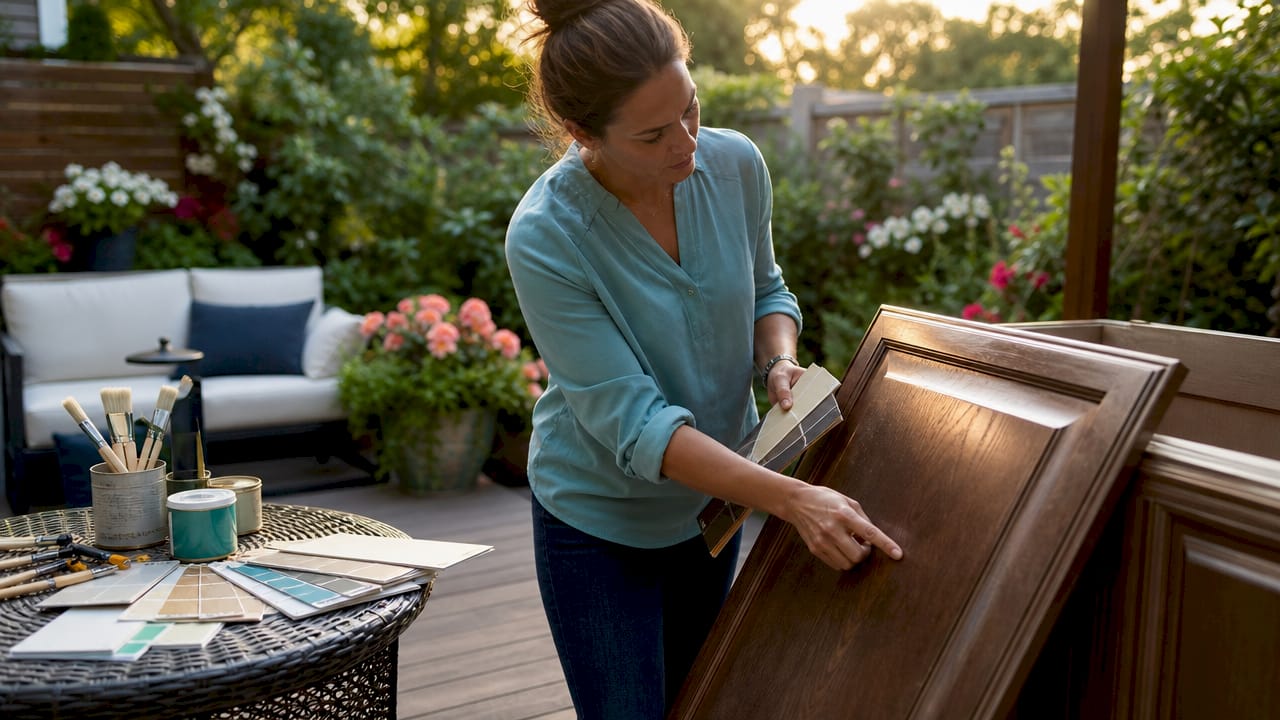
Get sample finishes and test them in your kitchen. Apply a small area of your top two or three sheen candidates and observe them in morning light, afternoon light, and under your kitchen’s artificial lighting at night. The differences will be clear.
Match sheen to your cooking and cleaning habits. If you cook daily and clean cabinets weekly, semi-gloss or satin is the practical choice. If your kitchen is used lightly and you prioritize a specific aesthetic, matte becomes viable.
Consider using different sheens for upper and lower cabinets. Many Ottawa designers use satin on upper cabinets for a softer look and semi-gloss on lower cabinets where grease and hand contact are more frequent. This combination balances aesthetics with function.
Work with a professional for surface prep and application. The quality of the prep work determines how well any sheen performs. Proper sanding, priming, and application technique are what separate a factory-quality result from a DIY finish that chips or peels within a year.
For a deeper look at how to match finish levels to your specific cabinets, the complete guide to paint finish choices covers the full spectrum of options available for Ottawa kitchens.
Key takeaways
Sheen selection is a functional decision as much as a visual one, and the right choice depends on your kitchen’s lighting, your cabinet surface condition, and how you actually use the space.
Point | Details |
Sheen controls more than shine | It affects color vibrancy, light reflection, and how surface flaws appear after painting. |
Satin dominates for good reason | About 65% of factory-painted cabinets use satin because it balances durability and aesthetics across most kitchens. |
High-gloss demands surface perfection | Gloss amplifies every imperfection, so thorough surface prep is non-negotiable before applying it. |
Lighting changes everything | Test sheen samples in your actual Ottawa kitchen at multiple times of day before making a final decision. |
Mix sheens strategically | Using semi-gloss on lower cabinets and satin on uppers gives you durability where it matters most. |
What we have learned from years of Ottawa cabinet work
We have refinished hundreds of kitchens across Ottawa, and the sheen conversation is one we have every single time. What surprises most homeowners is how much the sheen choice shapes the final result, often more than the color itself. We have seen beautifully chosen colors fall flat because the sheen level was wrong for the space.
The most common regret we hear is from homeowners who chose matte because it looked stunning in a magazine, then spent the next two years frustrated by how difficult it was to keep clean. Matte is not a bad finish. It is the wrong finish for a busy kitchen. That distinction matters.
We also push back on the idea that gloss is always the premium choice. Gloss is demanding. It requires near-perfect surface preparation, consistent cleaning, and cabinets that are structurally sound. When those conditions are met, the result is genuinely spectacular. When they are not, gloss makes every flaw visible from across the room.
Our honest recommendation for most Ottawa homeowners is satin on upper cabinets and semi-gloss on lowers. It is not the most dramatic combination, but it holds up, cleans easily, and looks polished for years. The best sheen choice is the one you are still happy with five years after the project is done.
— Ottawa
Get the perfect cabinet sheen with Ottawacabinetpainting
Choosing the right sheen is only half the equation. The other half is applying it correctly over a properly prepared surface. At Ottawacabinetpainting, we handle both. Our process includes thorough sanding, priming, and professional spray application to achieve a factory-quality finish that holds up to Ottawa kitchen life. We work with you to select the sheen level that fits your kitchen’s lighting, your cabinet condition, and your lifestyle. Whether you are drawn to the clean softness of satin or the bold reflectivity of semi-gloss, we deliver results backed by a 6-year warranty. Request a free quote through our cabinet painting services page, or explore our full range of interior painting options to get started.
FAQ
What is the best sheen level for Ottawa kitchen cabinets?
Satin is the most practical choice for most Ottawa kitchens because it balances durability, ease of cleaning, and a refined appearance. Semi-gloss is the better option for high-traffic kitchens or lower cabinets that face more grease and hand contact.
Does sheen level affect how cabinet colors look?
Yes. Higher sheens amplify color saturation, making the same paint color appear richer and more vivid. Lower sheens like matte produce a softer, more muted version of the same color.
Is high gloss worth it for kitchen cabinets?
High gloss creates a dramatic, expansive look and resists moisture well, but it requires flawless surface preparation and frequent cleaning to maintain its appearance. It works best in minimalist kitchens with cabinets in excellent condition.
Why does my cabinet finish look different at home than in the showroom?
Natural and artificial light alter sheen and color perception throughout the day. Always test finish samples in your actual kitchen under both daylight and evening lighting before making a final decision.
Can I use different sheens on upper and lower cabinets?
Yes, and many Ottawa designers recommend it. Satin on upper cabinets delivers a softer look, while semi-gloss on lower cabinets provides better resistance to grease and everyday wear where it is needed most.
Recommended
Comments