No prep paint for cabinets: save 40% with fast upgrades
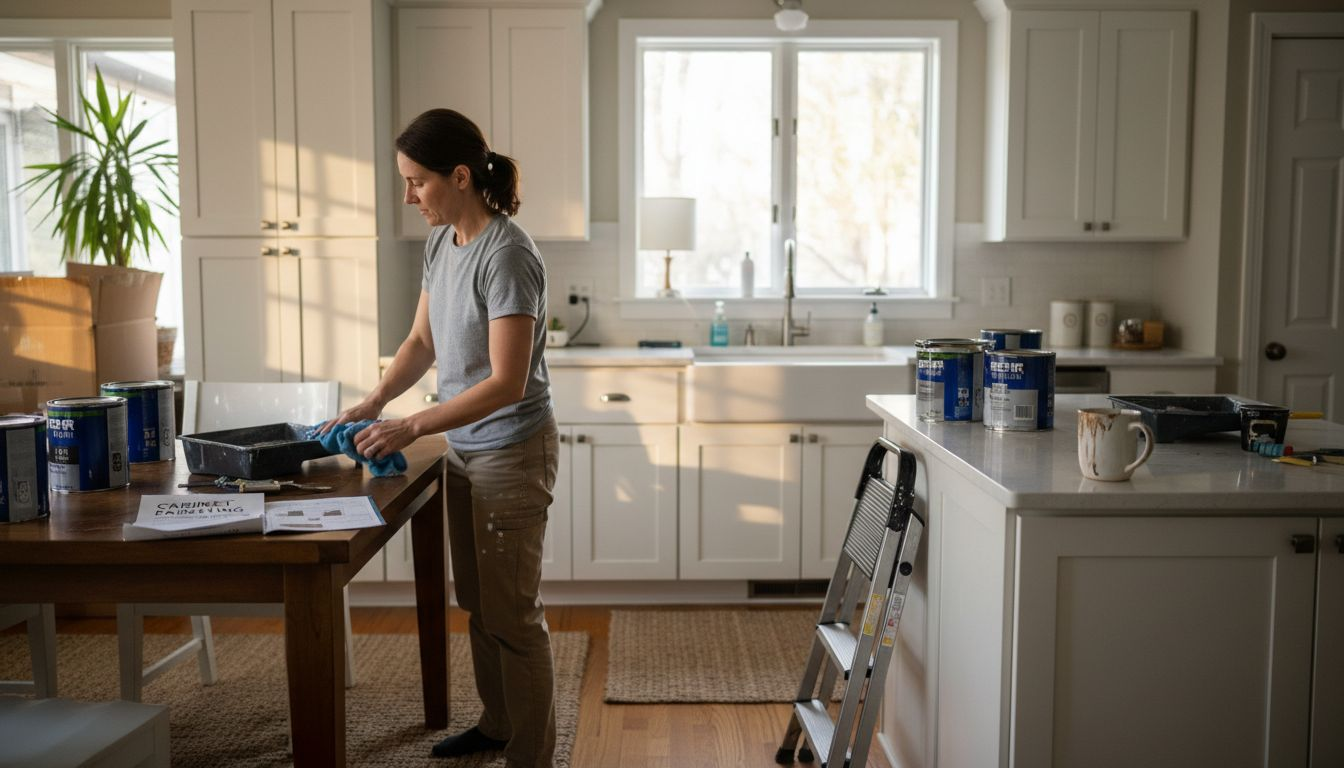
You’ve heard the promise of no prep cabinet paint, but here’s what most people get wrong: it doesn’t mean skipping preparation entirely. It means smart chemistry that replaces heavy sanding with cleaning and careful surface checks. This guide breaks down how no prep cabinet painting actually works, what it costs, and when it delivers lasting results for Ottawa kitchens.
Table of Contents
Key takeaways
Point | Details |
No prep doesn’t mean zero prep | Surfaces must be clean, solid, and undamaged for adhesion promoters to work properly. |
Timeline cuts by 40-60% | Projects finish in 6-9 days versus 12-15 days for traditional methods, minimizing household disruption. |
Cost savings of 25-50% | Typical Ottawa kitchens cost $800-$1500 versus $3000-$6000 for full replacement. |
Durability reaches 80% of traditional | Applied correctly on intact surfaces, no prep paint performs well with some increased wear risk. |
Professional application critical | DIY attempts often fail due to improper surface cleaning or environmental control during curing. |
Understanding no prep paint: what it is and how it works
No prep cabinet paint contains specialized adhesion promoters that bond to clean, intact surfaces without requiring sanding or separate primers. These formulas use advanced chemistry to create mechanical and chemical bonds with existing finishes.
The adhesion promoters work by creating microscopic interlocking with the substrate and forming chemical bridges to the existing paint layer. This eliminates the need for roughening surfaces through sanding, which traditional paints require for mechanical grip. However, cabinet prep for paint still demands thorough cleaning to remove grease, dust, and contaminants that block bonding.
Compatible surfaces for no prep paint include:
Factory finished melamine cabinets in good condition
Previously painted wood or MDF with solid, non peeling finishes
Laminate surfaces that are clean and firmly adhered
Thermofoil cabinets without edge lifting or damage
Critical surface requirements remain non negotiable. Cabinets must be structurally sound with no chips, cracks, or peeling areas. Grease buildup from cooking must be completely removed using appropriate degreasers. Even microscopic contamination prevents proper adhesion and causes premature failure.
No prep paint cannot fix damaged cabinets. Peeling veneer, water swollen edges, or deep scratches require traditional repair and prep work before any paint application. The technology saves time on intact surfaces but doesn’t replace necessary repairs.
Timeline and disruption advantages of no prep painting
Traditional cabinet painting takes 12-15 days due to extensive sanding, multiple primer coats, and longer drying cycles between steps. No prep methods reduce total project time by 40-60%, completing most kitchens in 6-9 days.
The cabinet painting process eliminates several time consuming steps:
No heavy sanding means minimal dust generation throughout the home
Fewer primer coats reduce waiting time between applications
Faster cure times with modern waterborne formulas allow quicker reassembly
Less surface preparation means painters spend more time applying finish coats
For Ottawa families with children or busy schedules, reduced disruption matters enormously. Traditional sanding creates fine dust that infiltrates adjacent rooms despite plastic barriers. The noise from orbital sanders running for hours disturbs normal household activities and remote work.
No prep painting produces about 70% less airborne particulate and cuts noise pollution by roughly half. Homeowners can often continue using nearby spaces during the project. Kitchen access returns faster, minimizing the need for temporary cooking arrangements or takeout meals.
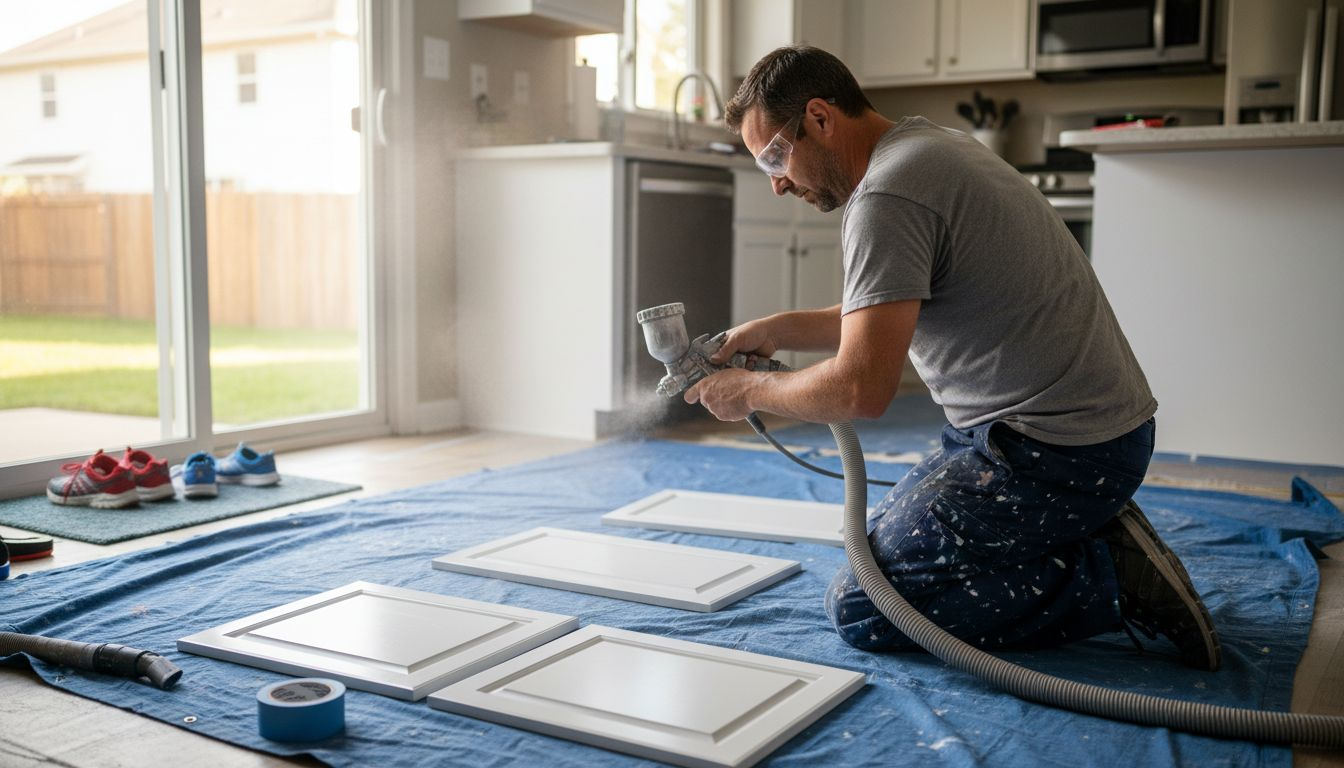
The streamlined timeline also reduces labor costs. Fewer project days mean lower total fees even if hourly rates remain constant. This efficiency contributes significantly to the overall cost advantage of no prep methods.
Durability and quality trade-offs
Objective testing shows no prep painting achieves about 80% of traditional durability when applied to properly prepared surfaces. This performance gap narrows or widens based on several factors.
Performance Metric | Traditional Paint | No Prep Paint | Difference |
Scratch resistance | 9/10 hardness | 7/10 hardness | 22% lower |
Chip resistance at edges | Excellent | Good to Very Good | Slight increase in edge wear |
Gloss retention (3 years) | 95% | 85-90% | 5-10% faster dulling |
Adhesion failure rate | 2% | 5-8% | Higher on suboptimal surfaces |
Surface condition directly impacts cabinet prep durability outcomes. Cabinets with invisible contamination or micro damage show accelerated wear patterns. A cabinet that looks clean may have silicone residue from cleaning products or cooking oil that penetrated the existing finish.
Risks increase when homeowners or contractors skip proper inspection. What appears to be a simple refresh project may actually need spot repairs or deeper cleaning than anticipated. Professional evaluation catches these issues before paint application.
Pro Tip: Request a detailed surface assessment before committing to no prep painting. A qualified contractor should test adhesion on inconspicuous areas and identify any problem zones requiring traditional prep work.
The 20% durability gap matters most in high traffic areas like cabinet doors near the sink or stove. These surfaces endure constant contact, moisture exposure, and temperature fluctuation. Traditional prep provides extra insurance in demanding locations, while no prep excels in lower stress applications.
Common misconceptions uncovered
Homeowners often misunderstand what no prep cabinet painting actually involves. These myths create unrealistic expectations and lead to poor decisions.
Myth: No prep means zero surface preparation needed. Reality: No prep paint requires clean, intact surfaces and cannot skip thorough cleaning and degreasing. The term describes eliminating sanding, not all preparation steps. Professional painters still spend hours cleaning cabinet surfaces, removing hardware, and masking areas.
Myth: No prep paint covers damaged or peeling surfaces flawlessly. Reality: Adhesion promoters work on solid substrates only. Loose veneer, bubbling laminate, or cracked finishes will telegraph through new paint and fail quickly. These defects require repair with wood filler, edge banding replacement, or traditional prep methods before any paint application.
Myth: No prep is always cheaper and better than other methods. Reality: Cost effectiveness depends on cabinet condition and homeowner priorities. Severely damaged cabinets may need more repair work than the no prep approach saves. Homeowners prioritizing maximum longevity over speed may prefer traditional methods despite higher costs.
The cabinet painting misconceptions extend to DIY feasibility. Marketing materials sometimes suggest no prep products enable easy DIY projects. In practice, achieving professional results requires experience with spray equipment, environmental control, and surface evaluation skills that most homeowners lack.
Another common error involves confusing no prep paint with chalk paint or other specialty finishes. These are entirely different products with distinct application requirements and durability profiles. No prep cabinet paint specifically refers to urethane or acrylic formulas with adhesion promoters designed for kitchen environments.
Cost benefit analysis for homeowners
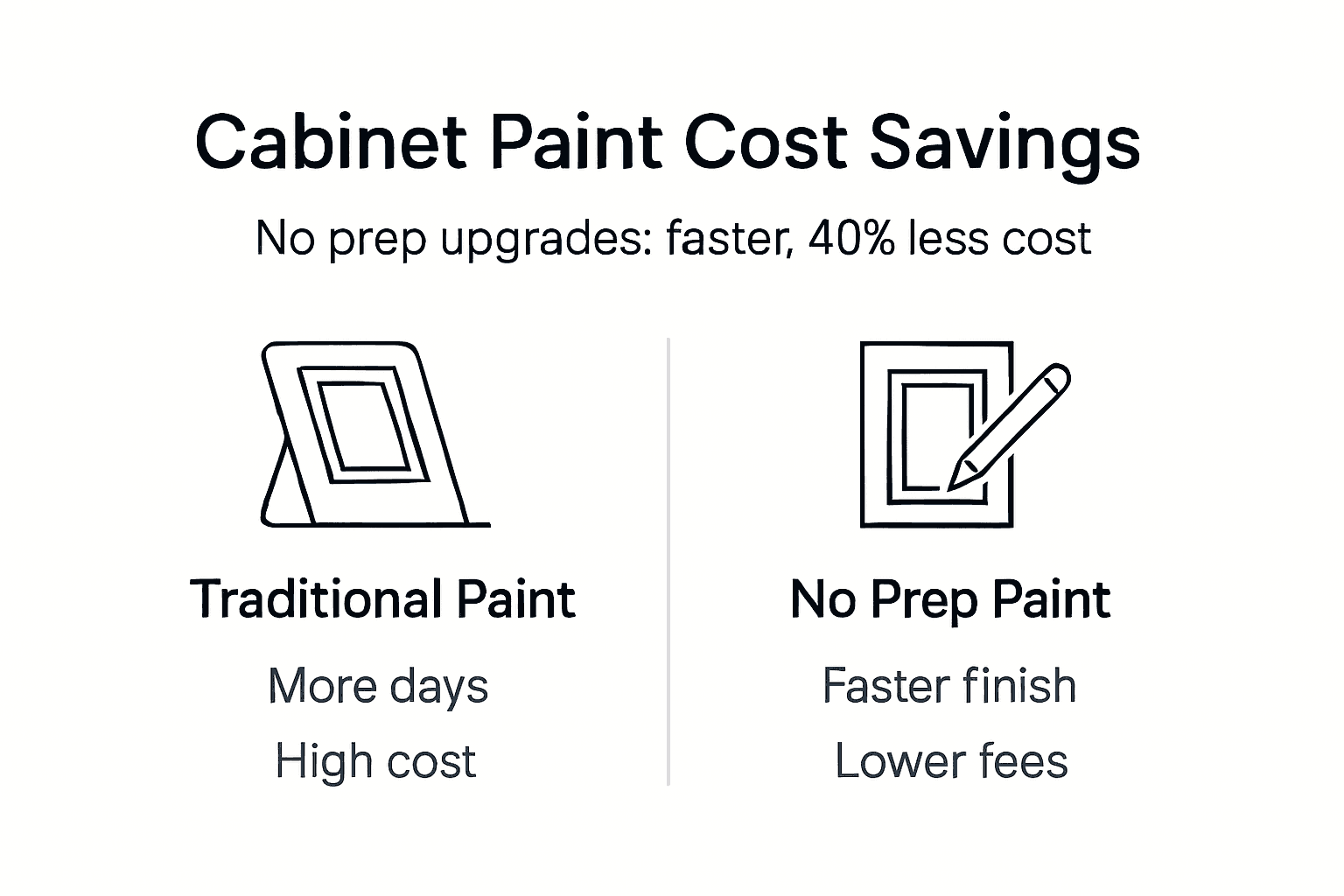
Ottawa homeowners typically invest $800 to $1500 for professional no prep cabinet painting in average sized kitchens. This cabinet painting cost in Ottawa represents substantial savings compared to alternatives.
Option | Typical Cost Range | Timeline | Disruption Level |
No Prep Painting | $800-$1500 | 6-9 days | Low |
Traditional Painting | $1200-$2200 | 12-15 days | Moderate |
Cabinet Refacing | $2500-$4500 | 10-14 days | Moderate to High |
Full Replacement | $3000-$6000+ | 14-21 days | High |
No prep cabinet painting typically costs 25-50% less than replacement while delivering immediate visual transformation. The price variance depends on several factors:
Total cabinet door and drawer count in the kitchen
Current cabinet condition and amount of spot repair needed
Paint type selection and desired finish quality
Labor rates and contractor experience level
Geographic location within the Ottawa area
Time savings translate to indirect financial benefits. Shorter project duration means less disruption to meal preparation and daily routines. Families avoid extended periods of ordering takeout or eating out, which quickly adds hundreds of dollars to project costs.
The cabinet painting cost savings compound when factoring in preserved home equity. Updated kitchens maintain property value and appeal to potential buyers. Investing $1200 in cabinet painting often returns $3000 to $5000 in increased home value.
However, the lowest quote isn’t always the best value. Contractors charging significantly below market rates may cut corners on surface prep, use inferior paint products, or lack proper insurance coverage. Mid range pricing typically indicates experienced professionals using quality materials.
Optimal product selection and application techniques
Waterborne urethane acrylate paints deliver the best performance for no prep cabinet applications. These formulas combine durability with low odor and fast cure times suited to occupied homes.
Waterborne urethane acrylate paints applied by experienced professionals create hard, smooth finishes that resist kitchen wear. The chemistry provides superior adhesion compared to standard latex paints while maintaining flexibility that prevents cracking as wood expands and contracts.
Key application requirements include:
Spray application in controlled environments for smooth, brush mark free results
Surface cleaning with TSP substitute or specialized cabinet degreasers
Complete dust removal using tack cloths after initial cleaning
Temperature maintenance between 65-75°F during application and curing
Humidity control below 60% to prevent finish defects
Professional painters often remove cabinet doors and paint them horizontally in dedicated spray booths. This approach eliminates dust contamination and allows precise temperature and humidity control. The investment in proper equipment separates professional results from DIY attempts.
The best paint brands for cabinets vary by specific product line rather than manufacturer alone. Look for paints explicitly rated for cabinets with adhesion promoters and high solids content. Generic wall paints lack the hardness and chemical resistance needed in kitchens.
Pro Tip: Avoid DIY no prep painting projects even with quality products. Surface evaluation, spray technique, and environmental control require expertise that dramatically impacts longevity and appearance.
Cabinet boxes often receive brush or roller application since they’re less visible than doors. However, door and drawer front quality determines overall project success. These highly visible surfaces demand flawless technique and optimal conditions.
Real world examples and outcomes in Ottawa homes
Local projects demonstrate the practical benefits of professional no prep cabinet painting. Ottawa homeowners report high satisfaction and project timeline reductions when working with experienced contractors.
A Kanata homeowner with factory finished maple cabinets completed their kitchen refresh in just seven days. The original estimate for traditional painting was 13 days. The family saved approximately $600 in labor costs and avoided two weeks of disrupted meal preparation.
Key outcomes from Ottawa area projects include:
Average timeline reduction of 42% compared to traditional methods
Customer satisfaction ratings of 4.7/5 or higher for appearance and durability
Cost savings ranging from $400 to $800 per project versus full prep alternatives
Minimal complaints about dust, odor, or household disruption during work
A Barrhaven client noted that their painted cabinets maintained excellent appearance after 18 months of daily family use. Minor edge wear appeared near the dishwasher but remained cosmetic rather than structural. The overall finish retained its smooth, factory like quality.
Another Orleans homeowner appreciated the fast turnaround that allowed them to complete their kitchen update before hosting holiday gatherings. Traditional methods would have extended into their event schedule. The Ottawa cabinet painting success stories consistently emphasize timeline reliability and quality results.
Before and after transformations show dramatic color updates from dated oak or cherry tones to contemporary whites, grays, and navy blues. The visual impact rivals new cabinet installations while preserving functional layouts homeowners already loved.
Environmental and health considerations
Volatile organic compounds in traditional paints release harmful fumes during application and curing. These chemicals contribute to indoor air pollution and cause headaches, respiratory irritation, and long term health concerns.
Low VOC paints meet Canadian standards and improve indoor air quality, making no prep cabinet painting safer for families. Modern waterborne formulas contain minimal solvents compared to oil based products used in traditional cabinet finishing.
Canadian regulations limit VOC content in architectural coatings:
Flat paints: maximum 50 grams per liter
Non flat paints: maximum 100 grams per liter
Specialty coatings including cabinet paints: maximum 275 grams per liter
Quality no prep cabinet paints typically fall well below these limits, often containing less than 100 grams per liter. This reduction significantly decreases odor intensity and shortens the period during which homeowners need to vacate or ventilate spaces.
Environmental benefits extend beyond health impacts. Refinishing existing cabinets prevents thousands of pounds of wood, particle board, and hardware from entering landfills. Manufacturing new cabinets requires substantial energy for materials processing, transportation, and finishing.
Recommended precautions during painting projects include:
Opening windows and using fans to maintain air circulation
Keeping children and pets away from work areas during application
Allowing 48-72 hours of ventilation before normal kitchen use resumes
Checking contractor use of proper respiratory protection and ventilation equipment
The environmental considerations in cabinet refinishing align with growing homeowner interest in sustainable renovation choices. Extending cabinet life through refinishing reduces the overall environmental footprint of kitchen updates.
Discover expert no prep cabinet painting services in Ottawa
Transforming your kitchen starts with connecting to experienced professionals who understand no prep painting’s nuances. Expert no prep cabinet painting services in Ottawa combine quality materials with proven application techniques for results that last.
Local specialists offer detailed consultations to assess your cabinet condition and recommend the best approach. They’ll identify whether no prep methods suit your specific situation or if traditional prep provides better value. This honest evaluation protects your investment and ensures realistic expectations.
Request free spray painting quotes from qualified contractors to compare pricing and timelines. Look for providers who explain their process thoroughly and showcase previous work through before and after cabinet painting galleries.
Professional services include surface evaluation, thorough cleaning, expert spray application, and quality guarantees that DIY projects cannot match. The difference between acceptable and exceptional results often comes down to experience and proper equipment.
FAQ
How long does no prep cabinet painting typically take?
Most no prep projects complete within 6-9 days depending on kitchen size and cabinet count. This timeline is about 40-60% faster than traditional painting methods.
Is no prep cabinet paint as durable as traditional painting?
No prep paint achieves approximately 80% of traditional paint durability when applied correctly to clean, intact surfaces. Proper surface condition and professional application are critical for maximizing longevity.
Can damaged cabinets be painted with no prep products?
No prep paints require structurally sound, undamaged surfaces for proper adhesion. Peeling finishes, chips, or water damage need repair or traditional prep work before paint application.
What are the cost savings of no prep cabinet painting in Ottawa?
No prep painting typically saves 25-50% compared to full cabinet replacement depending on project specifics. Average Ottawa kitchens cost $800-$1500 for professional no prep painting versus $3000-$6000 for new cabinets.
Do I need to leave home during no prep cabinet painting?
Most homeowners can remain in their homes during no prep projects due to reduced dust and low VOC paints. However, maintaining good ventilation and avoiding the work area during application is recommended.
Recommended
Comments