7 Expert Tips for Cabinet Refinishing Ottawa Homeowners
- demoore5506
- Feb 9
- 9 min read
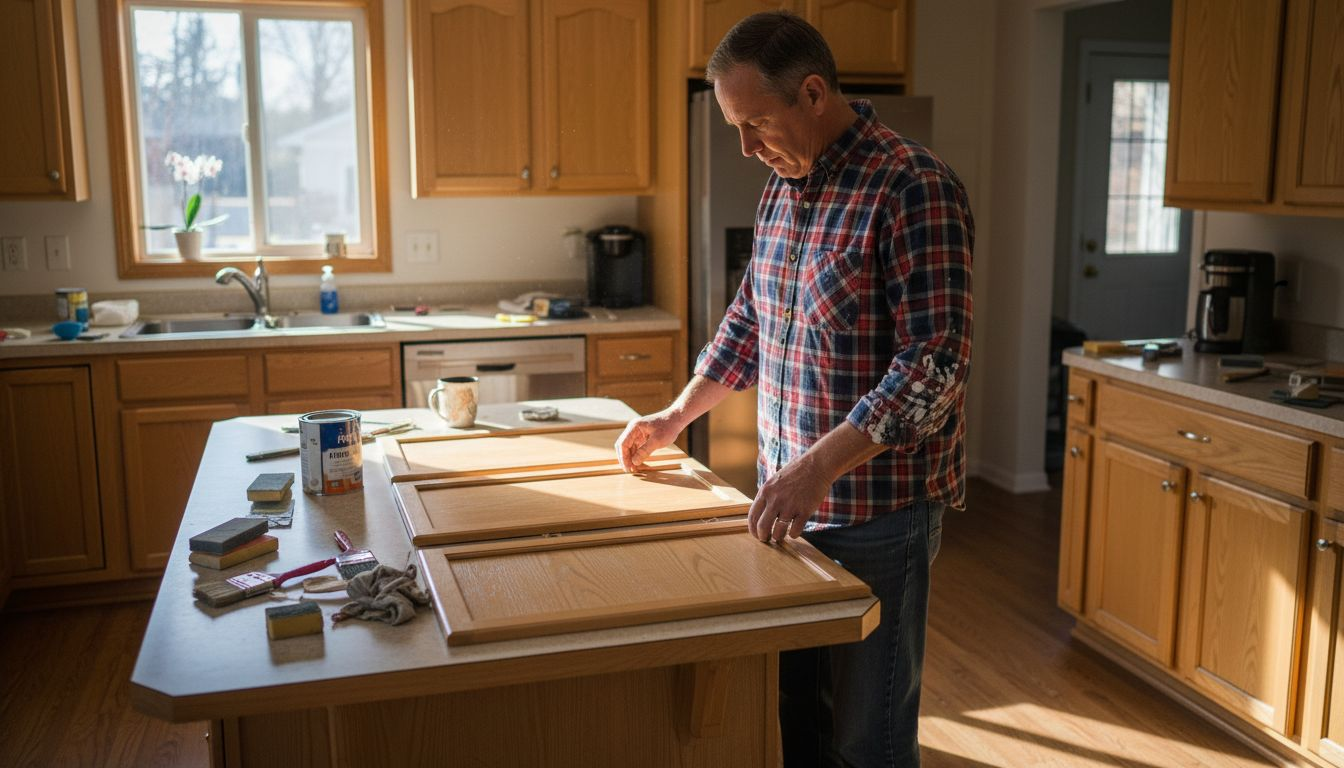
Dreaming of a modern kitchen but worried about the high costs and inconvenience of a full remodel? Getting a fresh look does not have to drain your budget or keep your home in chaos for weeks. Cabinet refinishing offers Ottawa homeowners a way to achieve a stylish, updated kitchen at a fraction of the cost and time it takes to replace cabinets.
By learning the proven steps and smart choices in this guide, you can avoid common pitfalls and make sure your cabinet project goes smoothly from start to finish. Get ready to discover the insider tips and practical strategies that will help you give your kitchen a stunning makeover, all while staying on schedule and within budget.
Table of Contents
Quick Summary
Takeaway | Explanation |
1. Cabinet refinishing saves money. | Refinishing costs significantly less than full replacement, saving Ottawa homeowners up to 80%. |
2. Check cabinet condition first. | Assess structural soundness and material quality to determine if cabinets are suitable for refinishing. |
3. Choose high-quality materials. | Investing in durable paints ensures long-lasting results and maintains visual appeal for years. |
4. Proper preparation is crucial. | Thorough cleaning and sanding are essential for achieving a smooth finish that adheres well. |
5. Plan to minimize disruption. | Establish a temporary kitchen setup and keep family informed to maintain household functionality during the process. |
1. Understand the Benefits of Cabinet Refinishing
Cabinet refinishing represents a smart home improvement strategy that transforms your kitchen without the massive expense and disruption of a full renovation. By choosing to refinish rather than replace your cabinets, Ottawa homeowners can achieve a stunning new look while saving significant time and money.
The advantages of cabinet refinishing are substantial:
Cost-effective transformation: Refinishing costs about 70% less than complete cabinet replacement
Minimal household disruption: Typically completed in just a few weeks
Environmentally friendly: Reduces waste by reusing existing cabinetry
Custom aesthetic updates: Allows for modern color and finish choices
Modern refinishing techniques now provide professional cabinet restoration that creates a showroom-quality appearance. Professional painters use advanced lacquers and finishing methods that produce durable, smooth surfaces indistinguishable from brand new cabinets.
Professional cabinet refinishing can increase your home’s visual appeal and market value without the hefty price tag of a complete kitchen remodel.
Homeowners can expect a dramatic kitchen transformation that looks crisp clean and modern while preserving the original cabinet structure. The process involves thorough cleaning sanding priming and painting using top-quality materials that ensure long-lasting results.
Pro tip: Request color samples and finish swatches before committing to a final cabinet refinishing design to ensure the perfect match with your kitchen’s existing aesthetic.
2. Evaluate If Your Cabinets Are Good Candidates
Determining whether your cabinets are suitable for refinishing requires a thorough assessment of their current condition and structural integrity. Not every set of cabinets is an ideal candidate for a fresh paint makeover.
Key factors to evaluate include:
Structural soundness of cabinet boxes
Condition of cabinet doors and drawer fronts
Material composition of existing cabinetry
Overall kitchen layout satisfaction
Solid wood cabinets represent the best refinishing candidates. When inspecting your cabinets, look for signs that might indicate replacement is necessary instead of refinishing. When to Avoid Painting Cabinets can help you understand potential limitations.
Refinishing works best when your current cabinets are structurally sound and you desire a cosmetic update without changing the kitchen’s fundamental design.
Cabinets made from veneer laminate MDF or particleboard might present challenges during the refinishing process. These materials can be less durable and more prone to damage during painting compared to solid wood.
Careful inspection should focus on:
Checking for water damage
Examining hinge and drawer slide functionality
Assessing overall cabinet box stability
Verifying surface smoothness for proper paint adhesion
Pro tip: Perform a comprehensive visual and physical inspection of your cabinets in bright natural light to identify subtle imperfections that might impact the refinishing process.
3. Choose Durable, High-Quality Paints and Materials
Selecting the right paint and materials is crucial for achieving a professional cabinet refinishing result that will stand up to daily kitchen wear and tear. The quality of your materials directly determines the longevity and appearance of your newly refinished cabinets.
Essential considerations for paint selection include:
Durability of the paint formula
Resistance to moisture and grease
Finish type and aesthetic appeal
Color retention capabilities
Easy cleaning and maintenance
Professional painters recommend understanding durable cabinet paint to ensure optimal results. Specialized cabinet paints offer superior adhesion and hardness compared to standard wall paints.
High-quality paint is an investment that protects your cabinets and maintains their appearance for years to come.
Key paint characteristics to prioritize:
Alkyd or urethane-based formulations
Semi-gloss or satin finishes for kitchen environments
Low volatile organic compound (VOC) options
Manufacturer-recommended primer compatibility
Avoid budget paints that compromise long-term performance. Professional-grade paints might cost more upfront but provide superior coverage and durability.
Pro tip: Always purchase a sample and test the paint finish on a small hidden cabinet area to confirm color and texture before committing to a full refinishing project.
4. Prep Cabinets Properly for a Smooth Finish
Preparing your cabinets correctly is the foundation of a professional-looking refinishing project. A meticulous preparation process ensures that your new paint finish will look stunning and last for years.
Essential preparation steps include:
Removing all cabinet hardware
Thorough surface cleaning
Repairing surface imperfections
Comprehensive sanding
Dust removal and final surface inspection
Professional painters recommend removing finish from cabinets with precision and care. Each step contributes to creating a smooth surface that allows paint to adhere perfectly.
A well-prepared surface is the secret to a factory-quality cabinet refinishing result.
Detailed preparation involves:
Degreasing all surfaces completely
Filling small holes and scratches with wood filler
Sanding with progressively finer sandpaper
Cleaning surfaces with a tack cloth to remove residual dust
Applying painter’s tape to protect surrounding areas
Skipping preparation steps guarantees a subpar finish. Professional results demand patience and attention to detail.
Pro tip: Invest in high-quality sandpaper and take your time during the preparation phase to ensure a silky smooth surface that will make your paint job look professionally done.
5. Minimize Household Disruption During the Process
Cabinet refinishing does not have to mean weeks of kitchen chaos. Strategic planning and professional assistance can help you maintain household functionality while transforming your kitchen’s appearance.
Key strategies for reducing disruption include:
Scheduling work during less busy times
Creating temporary kitchen work zones
Protecting remaining kitchen surfaces
Establishing clear communication with painters
Planning meals and kitchen access in advance
Homeowners can save on kitchen remodel by minimizing potential complications during the refinishing process.
A well-planned cabinet refinishing project should feel like a smooth, manageable home improvement experience.
Practical disruption management steps:
Remove fragile items from work areas
Set up a temporary cooking station
Communicate project timeline with family members
Establish clear boundaries for work zones
Keep essential kitchen items easily accessible
Professional painters understand household dynamics and can customize their approach to minimize inconvenience.
Pro tip: Create a designated “kitchen survival kit” with essential cookware microwave-safe dishes and basic utensils to maintain family routines during the refinishing process.
6. Compare Refinishing Costs vs. Full Replacement
Homeowners seeking kitchen updates face a critical financial decision between cabinet refinishing and complete replacement. Understanding the cost differences can help you make a smart investment that transforms your kitchen without breaking the bank.
Key cost comparisons reveal:
Refinishing costs: $2,500 to $9,000
Full replacement costs: $10,000 to $30,000
Potential savings: Up to 80% with refinishing
Time investment: Significantly less with refinishing
Professional experts recommend comparing refinishing options to maximize value and minimize expenses.
Strategic cabinet refinishing can deliver a stunning kitchen transformation at a fraction of full replacement costs.
Critical financial considerations include:
Existing cabinet structural condition
Desired aesthetic changes
Long-term home improvement goals
Budget constraints
Potential resale value impact
Material and labor savings make refinishing an attractive option for budget-conscious homeowners. The process preserves your existing cabinet structure while providing a fresh new look.
Pro tip: Request detailed quotes from multiple professionals to understand the exact cost breakdown and potential savings specific to your kitchen’s unique configuration.
7. Maintain Your Refinished Cabinets for Longevity
Your newly refinished cabinets represent a significant investment in your home’s aesthetic and functionality. Proper maintenance ensures your beautiful kitchen upgrade remains pristine and durable for years to come.
Key maintenance strategies include:
Gentle cleaning techniques
Regular hardware inspection
Avoiding harsh chemical cleaners
Prompt spill management
Protective surface treatments
Professional painters recommend protecting painted cabinets with consistent care and attention.
Consistent maintenance transforms your cabinet refinishing from a one-time update to a lasting home improvement.
Detailed maintenance steps:
Use soft microfiber cloths for cleaning
Apply mild soap solutions sparingly
Dry surfaces immediately after cleaning
Check hinges and hardware quarterly
Address minor wear promptly
Avoid abrasive cleaning materials that could compromise your cabinet’s fresh finish. Your refinished surfaces require gentle yet consistent care to maintain their showroom appearance.
Pro tip: Create a dedicated cabinet care kit with microfiber cloths specialized wood cleaners and soft brushes to simplify your maintenance routine.
Below is a comprehensive table summarizing the key points and insights regarding cabinet refinishing as detailed in the article.
Aspect | Description | Key Considerations |
Benefits | Enhances kitchen aesthetics at reduced cost compared to full replacement. Eco-friendly, and maintains household functionality. | Costs approximately 70% less, involves minimal disruption, and modern techniques ensure durable, high-quality finishes. |
Assessment | Ensuring cabinets are structurally sound and suitable for refinishing. | Wood cabinets are ideal; avoid refinishing cabinets damaged by water or made of less durable materials. |
Materials | Importance of using high-quality paints for best results. | Choose durable, moisture-resistant paints with a satin or semi-gloss finish; avoid budget options. |
Preparation | Proper cabinet preparation guarantees a smooth and professional finish. | Includes cleaning, sanding, priming, and careful application of painter’s tape to protect surrounding areas. |
Household Management | Strategies to minimize disruptions during the refinishing process. | Plan around a convenient schedule, create temporary kitchen work zones, and maintain access to essential items. |
Cost Comparison | Financial advantages of refinishing versus total replacement. | Refinishing costs $2,500 to $9,000, saving up to 80% compared to replacement. |
Maintenance | Routine care ensures longevity of refinished cabinets. | Clean gently, avoid harsh chemicals, and inspect hardware periodically for optimal upkeep. |
Elevate Your Kitchen with Expert Cabinet Refinishing in Ottawa
If you are facing the challenge of updating your kitchen cabinets without the cost and chaos of full replacement this guide on “7 Expert Tips for Cabinet Refinishing Ottawa Homeowners” is your starting point. You want a smooth durable finish that lasts and protects your investment while minimizing household disruption. Key pain points include choosing the right durable paint that resists moisture and grease, thorough preparation for a flawless finish, and making sure your cabinets are perfect candidates for refinishing rather than replacement.
At Ottawa Cabinet Painting, we specialize in transforming your existing kitchen cabinets using premium materials and a meticulous refinishing process that brings out a high-end, modern look. Our team handles everything from careful sanding and cleaning to expert paint application ensuring minimal inconvenience to your daily life. Benefit from our local expertise and enjoy our 6-year warranty for peace of mind. Don’t let the stress of a full remodel hold you back when professional cabinet refinishing can deliver stunning results at a fraction of the cost.
Ready to give your kitchen a fresh new look that lasts Ask about our cabinet refinishing solutions designed specifically for Ottawa homeowners and discover how our detailed process sets us apart from quick fixes. Visit Ottawa Cabinet Painting, learn more about durable cabinet paint and when to avoid painting cabinets today. Take the first step toward a beautiful kitchen upgrade now.
Frequently Asked Questions
What is cabinet refinishing and how is it different from replacement?
Cabinet refinishing involves updating the appearance of your existing cabinets by cleaning, sanding, and repainting them, while replacement means completely removing and installing new cabinets. Choose refinishing to save costs and avoid the disruption of a full remodel.
How can I determine if my cabinets are good candidates for refinishing?
Evaluate the structural soundness of your cabinets, checking for water damage and ensuring that they are made of solid wood. Conduct a close inspection to identify any imperfections that may impact the refinishing process.
What type of paint should I use for refinishing cabinets?
Select high-quality cabinet paint that offers durability and resistance to moisture and grease, such as alkyd or urethane-based formulations. Test a sample on a small area to confirm the finish and color before proceeding with the full project.
How can I prepare my cabinets properly before refinishing?
Remove all hardware, clean surfaces, repair any imperfections, and sand down the cabinets for a smooth finish. Focus on thorough cleaning and sanding to ensure optimal adhesion for the new paint.
How can I minimize disruption in my kitchen during the cabinet refinishing process?
Plan the refinishing project during less busy times and set up a temporary cooking area to maintain functionality. Keeping clear communication with painters can help manage expectations and reduce inconvenience.
What maintenance is needed after refinishing my cabinets?
Maintain your refinished cabinets by using soft cloths for cleaning and avoiding harsh chemicals that could damage the finish. Regularly inspect hinges and hardware, addressing minor wear immediately to prolong the life of your cabinets.
Recommended


Comments