Save 70–85% Annually: Ottawa Cabinet Repaint vs Replace
- Axcell Painting

- 10 hours ago
- 11 min read
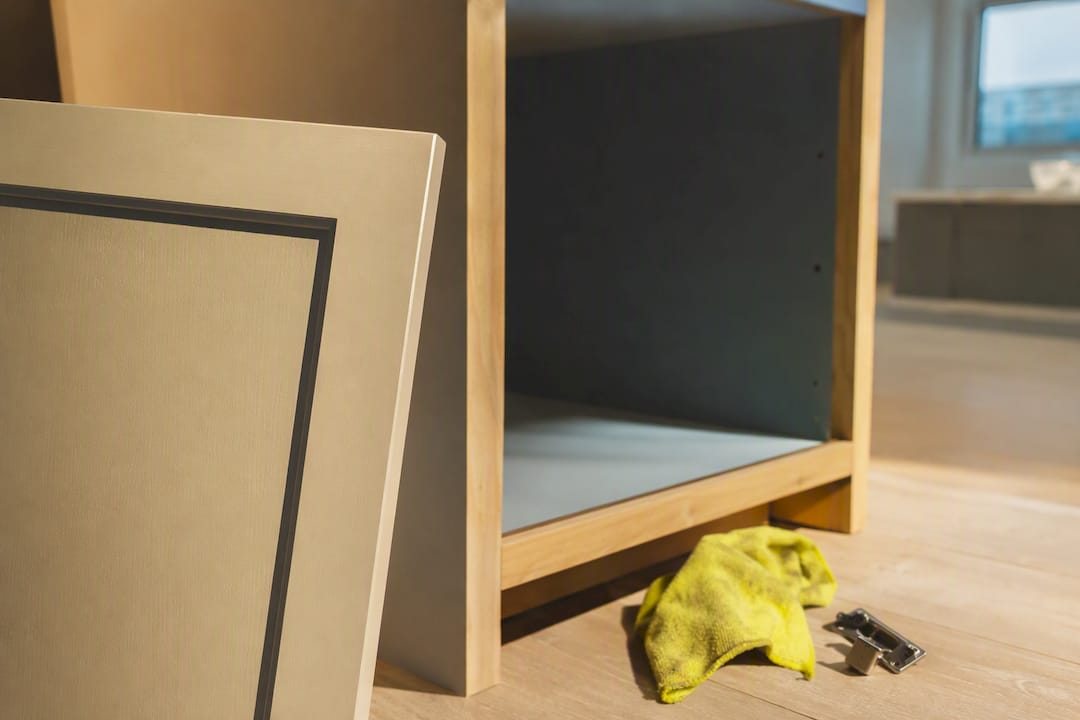
Repainting or refinishing cabinets almost always costs less per year than full replacement for Ottawa homeowners, provided the cabinet boxes are structurally sound and free of water damage. Painting typically runs $1,500 to $8,500 with a lifespan of 10 to 15 years, while replacement runs $5,000 to $30,000 or more but lasts 20 to 30 years. Run the math per year, and painting wins in most Ottawa kitchens.
TL;DR:
Painting costs in Ottawa range from $1,500 to $8,500 and lasts about 10 to 15 years, making it significantly more cost-effective than replacement over time.
About 60 to 80% of a painting quote covers preparation work, which is crucial for durability and long-lasting results, especially in kitchens with grease or previous DIY finishes.
Repainting is ideal only for structurally sound cabinets remaining free of water damage or warping, as poor condition or layout changes typically require replacement.
Full cabinet replacement involves higher costs and longer disruption, often exceeding $26,000 for large kitchens and taking several weeks, while repainting finishes within about 10 days.
Local climate, seasonal labor costs, and Ottawa’s humidity cycles influence cabinet condition and project scheduling, with repainting offering environmental benefits by reducing waste.
Table of Contents
What Does It Really Cost to Paint, Reface, or Replace Cabinets in Ottawa?
Homeowners calling for a quote usually want one number, but the honest answer depends on which of three paths you’re pricing out: painting, refacing, or full replacement.
Professional cabinet painting for a mid-size Ottawa kitchen typically costs between $1,500 and $8,500, with most projects landing between $2,500 and $5,500. A small galley kitchen with fewer doors sits at the lower end. A large kitchen with an island, glass-front uppers, and custom color matching pushes toward the top.
Refacing, which replaces doors and drawer fronts while keeping the existing boxes, generally costs $3,000 to $12,000. Full replacement is the wide-open category, ranging from $5,000 for a basic stock kitchen to $30,000 or more for custom cabinetry. That number rarely stays put, either. Replacement almost always drags in demolition and disposal ($500 to $1,500), installation labor ($1,500 to $4,000), and new countertops ($2,000 to $8,000), since new boxes rarely match old counter dimensions exactly.
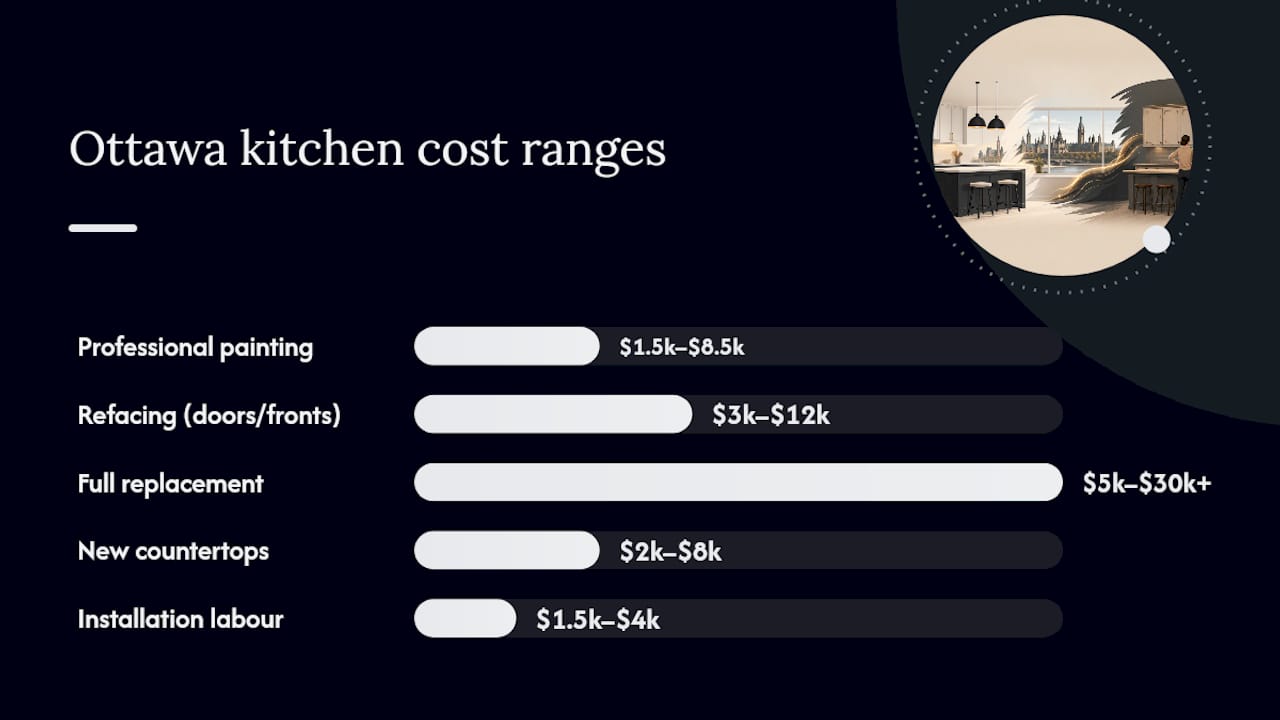
In larger kitchens, that snowball effect gets dramatic. A medium kitchen paint job commonly runs $2,500 to $4,500, while a comparable full replacement can climb to $26,000 to $45,000 once you count everything replacement drags along with it.
What actually moves the needle on your painting quote:
Door and drawer count. More openings mean more prep, more spraying passes, more labor hours.
Prep level. Grease buildup, old lacquer, or previous DIY paint jobs require extra sanding and priming before a single coat goes on.
Finish type. A matte or satin finish costs less than a factory-style, sprayed-on lacquer look.
Hardware changes. Swapping knobs and pulls is cheap; relocating hinge holes for new hardware styles adds labor.
Layout quirks. Corner cabinets, soffits, and oddly angled uppers all add time regardless of kitchen size.
Here’s what most estimate sheets don’t spell out clearly: 60 to 80% of a painting quote pays for prep work, not paint. Sanding, filling nail holes, degreasing, and priming with a shellac-based primer are what separate a finish that lasts 10 years from one that peels in 18 months. If a quote seems suspiciously cheap, ask what’s included in prep. That’s usually where the corners get cut.
How Do You Turn a One-Time Cost Into an Annual Number?
Comparing sticker prices is misleading, because painting and replacement don’t last the same number of years. The only fair comparison divides total cost by expected lifespan.
Painting and refinishing typically hold up for 10 to 15 years before you need a fresh coat, assuming decent prep and daily wear rather than abuse. Full replacement cabinets, built from new materials with tighter tolerances, tend to last 20 to 30 years. That gap is the whole reason a simple price comparison misleads people.
Here’s the math across three kitchen sizes, assuming a repaint every 10 years and a replacement lasting 25 years:
Small kitchen: Painting at $2,500 over 10 years equals $250 per year. Replacement at $12,000 over 25 years equals $480 per year.
Medium kitchen: Painting at $4,000 over 10 years equals $400 per year. Replacement at $22,000 over 25 years equals $880 per year.
Large kitchen: Painting at $7,000 over 10 years equals $700 per year. Replacement at $35,000 over 25 years equals $1,400 per year.
Painting saves roughly 70 to 85% compared with full replacement once you account for the countertops, demo, and installation costs replacement drags along with it. That’s not a marginal edge. That’s the difference between a modest annual expense and a number that shows up on a household budget spreadsheet every year.
Pro Tip: If you’re worried about needing a repaint sooner than 10 years, run the numbers at 6 years instead. Even at that faster cycle, a $4,000 medium kitchen paint job comes out to about $667 per year, still well under most replacement scenarios.
The sensitivity works both ways. If poor prep or heavy kitchen use forces a repaint every 5 to 7 years, your annual cost rises, sometimes close to replacement’s per-year figure. This is precisely why prep quality matters more than paint brand.
Is Your Kitchen a Good Candidate for Repainting?
Not every kitchen should be repainted, and pretending otherwise does nobody favors. The decision hinges on a handful of physical checks you or your contractor should walk through before signing anything.
Run through this before booking an estimate:
Cabinet box integrity. Tap the sides and back panels. Solid, no soft spots, no separation at the joints.
Water damage or delamination. Check under the sink and around the dishwasher for swelling, peeling laminate, or a musty smell.
Door warping. Close every door and drawer. If they don’t sit flat or flush, painting won’t fix the underlying warp.
Hinge and drawer function. Sticky drawers or sagging hinges are usually fixable, but worth flagging during your walkthrough.
Layout satisfaction. If you’re happy with where things are, painting preserves that. If you’ve always wanted the fridge moved, that’s a replacement conversation, not a paint one.
At quote time, ask directly: are these boxes original to the house, or have they been replaced before? Any signs of delamination on the box interiors? Can the existing hardware be reused, or does it need replacing? A contractor who answers these plainly, rather than glossing over them, is one worth trusting with your kitchen.
The real red flags for replacement: structural rot, cabinets that have already been repaired multiple times, or a layout that no longer fits how your family cooks. In those cases, refacing or full replacement becomes the financially smarter move, especially for homeowners planning to stay 15 years or more.
How Long Does Each Option Take, and How Disruptive Is It?
Time matters as much as money, especially in a kitchen your family uses three times a day. A repainting or refinishing project, done right, typically wraps in about 10 days, start to finish. Doors and drawers come off, get sprayed off-site in a controlled environment, and boxes get prepped and finished in place. Full replacement often stretches into several weeks, factoring in demolition, cabinet delivery lead times, plumbing and electrical adjustments, and installation.
Day-to-day, the disruption looks different too. During a repaint, expect doors and drawer fronts temporarily removed, some dust from sanding, and limited access to specific cabinet sections, but your sink and stove usually stay usable. Replacement typically means your kitchen is unusable for cooking for a stretch of the project.
Before the crew arrives for a repaint, a few things help speed things along:
Empty cabinet interiors so boxes are accessible for prep and priming.
Clear countertops near cabinet edges.
Note any sticky drawers or misaligned doors so they get addressed during the process.
What Does Cabinet Upkeep Cost After the Initial Job?
The sticker price on the quote isn’t the last check you’ll write. Painted cabinets need occasional touch-ups, particularly around high-traffic areas like the sink base and pantry pulls, where hands and moisture do the most wear. Budget lightly for this: a touch-up kit or a small contractor visit every few years costs far less than a repaint, often under $200 for minor spot work.
Replacement cabinets carry their own upkeep. New hinges and soft-close mechanisms eventually wear out and need replacing, laminate or veneer finishes can chip at corners, and solid wood doors may need occasional resealing if they’re in a humid spot near the dishwasher or sink. None of this is expensive in isolation, but it adds to the true cost of ownership that never shows up in the original replacement quote.
The maintenance gap actually favors painted cabinets in one specific way: a quality repaint with a durable topcoat is easier and cheaper to spot-repair than a chipped factory finish, since a painter can blend a small touch-up seamlessly, while a damaged laminate panel on a replacement cabinet often means ordering a whole new door.
Either path benefits from basic care. Wipe grease promptly, avoid abrasive cleaners on painted surfaces, and address small dings before they spread. Skipping this is the fastest way to shrink the lifespan estimates used in the annualized cost math above, on either side of the decision.
Does Repainting Cabinets Make Sense Environmentally?
Repainting keeps your existing cabinet boxes, doors, and drawer fronts out of the landfill entirely. Full replacement means removing everything, hauling it away, and manufacturing brand-new material, cutting new lumber or particleboard, running new laminate lines, shipping new units, to fill the space. From a materials standpoint, refinishing is the lower-impact choice by a wide margin.
Paint quality matters here too. Low-VOC and water-based paints have become standard in professional cabinet painting, reducing off-gassing in the home during and after the project. This matters directly for indoor air quality in a kitchen, where you’re cooking and eating daily.
There’s a cost angle tied to this too, not just an environmental one. Demolition and disposal fees for old cabinetry typically run $500 to $1,500 on a replacement project, a cost that simply doesn’t exist when you’re painting over what’s already there. Skipping demolition isn’t just good for the planet. It’s good for the budget line labeled “removal and disposal” on your estimate.
For homeowners weighing sustainability alongside cost, the two considerations point the same direction. Structurally sound cabinets that get painted rather than torn out save money and reduce waste at the same time, a rare case where the cheaper annual option and the lower-impact option are the same choice.
How Do Ottawa’s Labor Costs and Climate Affect Your Cabinet Project?
Ottawa’s kitchen renovation market has its own pricing rhythm, shaped by local labor rates, material availability, and a climate that isn’t always kind to wood cabinetry. Cabinet costs alone account for 40 to 50% of a typical Ottawa kitchen renovation budget, which is why the repaint-versus-replace decision carries outsized weight on your overall project cost.
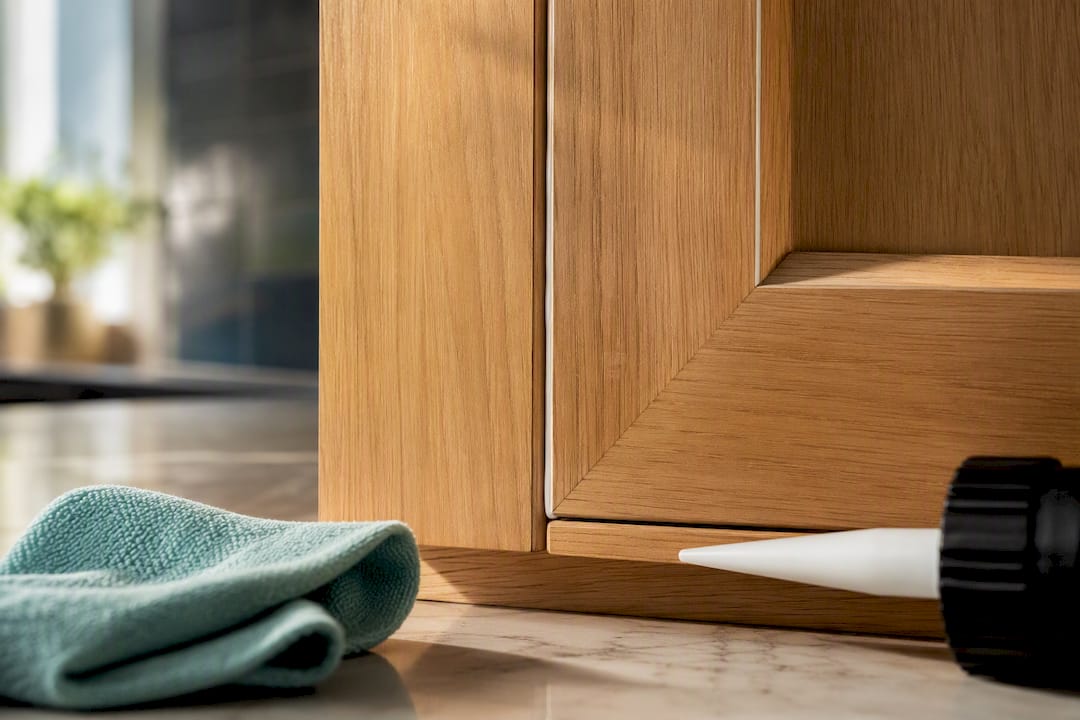
Winters here bring dry, heated indoor air for months at a time, and that dryness causes wood to contract, sometimes enough to open small gaps at door and drawer joints. Summers swing the other way with humidity that can cause slight swelling. Cabinets that have weathered a decade or more of these cycles in an Ottawa home often show minor movement that a good painter accounts for during prep, filling gaps and re-caulking seams before priming.
Local labor and material costs also shift seasonally. Contractors booking replacement projects often face longer lead times for custom cabinetry ordered from suppliers outside the region, while a local painting crew working from an Ottawa shop faces fewer supply chain delays. That responsiveness matters when you’re trying to get a kitchen back in service quickly, especially heading into the holiday cooking season or before hosting family visits.
Refacing alone saves Ottawa homeowners 40 to 60% compared with full replacement in local estimates, and painting typically undercuts refacing further still. For a city where kitchen renovation budgets already run tight against replacement costs, that gap is worth taking seriously before signing a contract.
Should You Paint Cabinets Yourself or Hire a Professional?
DIY cabinet painting looks tempting on paper. A gallon of cabinet paint, some sandpaper, and a weekend seem like a fraction of a professional quote. The reality is messier, and the cost gap is smaller than it first appears once you account for what actually goes wrong.
Cabinet doors need to come off, get labeled, sanded down past any existing lacquer or factory finish, primed with a shellac-based primer to block tannin bleed-through, and sprayed or brush-rolled in a dust-free space to avoid a finish full of debris. Skip any of these steps and the paint peels within a year, sometimes faster around the sink and stove where heat and moisture hit hardest. That’s a recipe for disaster if your goal was a finish that lasts a decade.
DIY materials alone, decent paint, sandpaper, primer, sprayer rental, run $300 to $800 depending on kitchen size. That looks cheap against a $2,500 to $5,500 professional quote until you factor in the redo. A DIY repaint that fails in 18 months and needs professional correction ends up costing more than hiring it out correctly the first time, both in dollars and in disrupted kitchen use twice over.
Professional crews also bring commercial sprayers for a genuinely smooth, factory-finished look that’s difficult to replicate with a brush and roller, and they carry warranties that DIY work simply can’t offer. For a project meant to last 10 to 15 years, that durability gap is where the real annual cost savings live.
Why We Think Repainting Wins for Most Ottawa Kitchens
Here’s what fifteen years of watching renovation trends in this city tells us: most homeowners who default to replacement are reacting to outdated cabinets, not damaged ones. Those are two very different problems with very different price tags.
Our process leans hard into prep work, sanding down to bare wood where needed, filling and caulking every gap, and applying a shellac-based primer before any topcoat goes on. That’s what separates a repaint that lasts 12 years from one that fails in two. Combined with our typical 10-day timeline and a 6-year warranty, the math in this article isn’t theoretical. It’s what we see repeat across Ottawa kitchens: cabinets that were structurally fine getting a new life at a fraction of replacement cost, with far less disruption to a household’s daily routine.
We’ve watched homeowners spend two weeks without a functioning kitchen for a replacement project, when their existing boxes were perfectly sound underneath dated oak finishes. The annual cost math favored painting by a wide margin, and the disruption math favored it even more.
The conventional wisdom that “new is always better” doesn’t hold up against a structurally sound cabinet box. Layout changes and water damage are legitimate reasons to replace. Simply being tired of a color is not.
— Ottawa
Ready for a Cabinet Painting Quote in Ottawa?
If your cabinets pass the checklist above, structurally sound boxes, doors that close flat, no delamination, the fastest way forward is a straightforward quote, not another week of research. Ottawa Cabinet Painting handles this with an onsite or virtual estimate, a thorough prep and finish process, our typical 10-day timeline, and a 6-year warranty backing the work.
To get an accurate quote quickly, have your kitchen’s approximate size on hand, along with a few photos of cabinet interiors (especially under the sink) and a short list of any functional issues, sticky drawers, warped doors, or loose hinges. That lets us give you real numbers instead of a rough guess over the phone.
Ready to see what a repaint would cost for your specific kitchen? Request a free spray painting quote and get a number you can actually compare against replacement.
Where These Numbers Come From
The cost figures throughout this guide come from a handful of sources worth checking directly if you want to dig deeper into your own numbers. HomeStars’ cabinet painting price guide provided the painting cost ranges. Justyn Rook Contracting’s Ottawa cost comparison supplied refacing and replacement figures, including the extra costs replacement typically triggers. RenoHouse’s cost comparison provided the lifespan assumptions used in the annualized math. For deeper Ottawa-specific project examples, see our guides on Ottawa cabinet painting costs and refinishing versus replacing.
Sources
Recommended


Comments