7 Must-Know Tips for Cabinet Painting Ottawa Homeowners
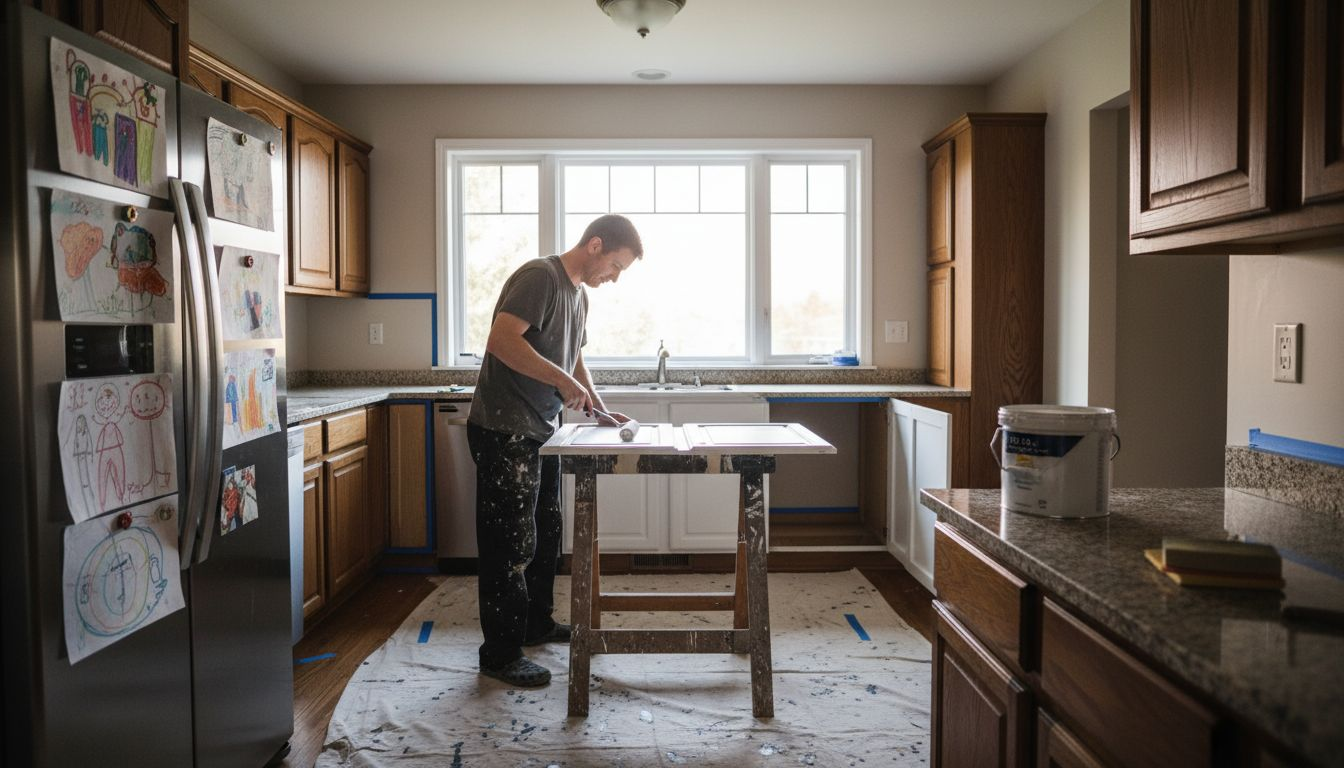
Painting your kitchen cabinets can seem overwhelming when every step matters for a smooth, lasting finish. Choosing the wrong technique or skipping preparation can lead to peeling, uneven color, or frustration down the road. Luckily, there are clear, professional strategies you can use to avoid these common problems and achieve a polished look in your Ottawa home.
This guide will walk you through methods recommended by industry experts, from assessing your cabinet materials to choosing the right paint and finishing touches. Each insight gives you practical steps to make your project easier, safer, and more durable. Get ready to discover tools and tricks that will turn your kitchen into a space you love every day.
Table of Contents
Quick Summary
Key Message | Explanation |
1. Assess your cabinet material carefully | Identifying materials like solid wood or laminate affects preparation and paint choice for a successful project. |
2. Select durable, high-quality paint | Invest in semi-gloss oil-based or high-quality acrylic enamel paints for better lasting results in high-use kitchen environments. |
3. Plan for minimal kitchen disruption | Create a temporary setup and meal plan to maintain functionality during the painting process and avoid chaos. |
4. Conduct thorough preparation | Clean, repair, and prime surfaces effectively to ensure paint adheres properly and achieves a smooth, professional finish. |
5. Allow adequate drying and curing time | Understand that drying is different from curing, and be patient to ensure maximum durability and optimal finish quality. |
1. Assess Your Cabinet Material Before Painting
Before diving into your cabinet painting project in Ottawa, understanding your cabinet’s material is absolutely critical. Different surfaces require unique preparation techniques and paint types to achieve a professional finish.
Cabinet materials vary widely and directly impact your painting approach. Common materials include:
Solid wood: Absorbs paint easily, requires thorough sanding
Laminate: Needs special bonding primers for adhesion
Thermofoil: Requires extra caution to prevent peeling
MDF (Medium-Density Fiberboard): Demands specific sealing techniques
The Painting Contractors Association industry standards emphasize comprehensive surface assessment before beginning any painting project. Identifying your substrate determines everything from primer selection to final coating technique.
Knowing your cabinet material isn’t just a preparatory step - it’s the foundation of a flawless, long-lasting paint job.
Professional painters recommend starting with a detailed visual and tactile examination. Run your hand across the surface feeling for texture, check for existing finishes, and note any wear patterns. Wood cabinets might have visible grain, while laminate surfaces appear smoother and more uniform.
Taking time to properly assess your cabinet material prevents costly mistakes and ensures your paint adheres correctly. Skipping this step could result in peeling, bubbling, or uneven finishes that require complete do-overs.
Pro tip: Perform a simple adhesion test by applying a small paint sample in an inconspicuous area and checking its bond after 24 hours.
2. Choose the Right Paint for Durability
Selecting the perfect paint for your Ottawa kitchen cabinets is more than just picking a color - it’s about ensuring long-lasting protection and aesthetic appeal. Your paint choice directly impacts how your cabinets will look and perform over time.
Durability matters immensely in high-traffic areas like kitchens. Comprehensive paint standards reveal critical factors for selecting the right coating:
Semi-gloss finishes: Most recommended for cabinets
Oil-based paints: Superior durability and smoother finish
Latex paints: Easier cleanup and faster drying times
High-quality acrylic enamel: Best resistance to wear and tear
The right paint isn’t an expense - it’s an investment in your kitchen’s longevity and appearance.
When evaluating paint options, consider these crucial performance characteristics. Scratch resistance prevents daily wear from utensils and cleaning. Moisture protection guards against humidity in kitchen environments. Color retention ensures your cabinets maintain their fresh look for years.
Professional painters recommend spending slightly more on premium paints that offer superior bonding properties and longer-lasting finishes. Cheaper paints might save money upfront but will require more frequent repainting.
Pro tip: Always purchase a small sample and test the paint on an inconspicuous cabinet area to verify color and finish before committing to the entire project.
3. Plan and Minimize Kitchen Disruption
A cabinet painting project can turn your kitchen upside down if you don’t plan carefully. Strategic preparation is the key to maintaining sanity and functionality during your renovation.
Kitchen planning guidelines recommend creating a comprehensive strategy to minimize disruption. Critical considerations include:
Temporary kitchen setup: Create a mini cooking zone
Meal preparation plan: Stock easy-to-prepare meals
Protective coverings: Shield surrounding areas from paint
Appliance relocation: Ensure safe, accessible placement
Family communication: Keep everyone informed about timeline
A well-planned kitchen painting project feels like a smooth choreography rather than chaotic construction.
Start by designating a temporary kitchen space away from the painting area. This might be a corner of your dining room or basement with essential appliances like a microwave, coffee maker, and mini-fridge. Pack dishes and utensils you will need during the project in clearly labeled boxes for easy access.
Timing is everything. Choose a project window when your family’s schedule allows maximum flexibility. Weekends or periods with fewer commitments work best. Consider completing the project in stages to reduce overall disruption.
Protect your floors appliances and surrounding areas with drop cloths plastic sheeting and painter’s tape. Remove small appliances and clear countertops to create a clean workspace for painters.
Pro tip: Create a “renovation survival kit” with disposable plates plastic utensils snacks and a portable cooking device to maintain family routine during your kitchen transformation.
4. Master Prep Work for a Smooth Finish
Preparing your kitchen cabinets for painting is the foundation of a professional-looking transformation. Skipping or rushing through preparation guarantees a subpar result that will haunt you every time you look at your cabinets.
Surface preparation standards emphasize the critical steps needed to achieve a flawless finish. Your prep work toolkit should include:
Thorough cleaning: Remove all grease and grime
Advanced sanding: Create the perfect paint adhesion surface
Detailed repair: Fix holes dents and imperfections
Proper priming: Ensure long-lasting paint coverage
Careful masking: Protect surrounding areas
A perfect paint job is 90% preparation and 10% actual painting.
Start by deep cleaning your cabinets with a degreasing solution. Remove all hardware knobs and handles. Sand the surfaces using progressively finer sandpaper to create a smooth base that allows paint to grip effectively. Pay special attention to areas with existing damage or uneven surfaces.
Inspect each cabinet carefully for cracks dents or previous paint irregularities. Use wood filler or spackling compound to repair minor imperfections. Once repairs are complete sand these areas again to create a seamless surface.
Choose a high-quality primer compatible with your cabinet material. Apply primer in thin even coats allowing sufficient drying time between applications. This step is crucial for achieving that showroom-worthy finish professional painters are known for.
Pro tip: Invest in quality painter’s tape and plastic sheeting to create clean lines and protect your kitchen from accidental paint splatter during the transformation process.
5. Apply Paint Like a Pro: Tools and Techniques
Transforming your Ottawa kitchen cabinets from dated to stunning requires more than just good intentions - you need professional-grade tools and precision techniques. The difference between an amateur and professional paint job often comes down to technique and equipment.
Painting Contractors Association training resources highlight the critical elements of superior cabinet painting. Your essential toolkit should include:
High-volume low-pressure (HVLP) sprayer: For smooth even coverage
Quality synthetic brushes: Sized specifically for cabinet work
Foam rollers: Minimize visible brush and roller marks
Drop cloths: Protect surrounding surfaces
Painter’s tape: Create crisp clean edges
Professional painting is an art form where preparation meets precision.
Choose brushes with synthetic bristles for water-based paints and natural bristles for oil-based formulations. When using a paint sprayer angle the tool consistently and maintain a steady distance from the surface to prevent uneven application or dripping.
Apply multiple thin coats rather than one thick coat. This technique allows each layer to dry completely and creates a smoother more durable finish. Allow sufficient drying time between coats and lightly sand with fine-grit sandpaper to eliminate any minor imperfections.
Maintain a consistent motion when applying paint - whether using a sprayer brush or roller. Move in long smooth strokes following the wood grain to achieve a factory-like finish that looks professionally done.
Pro tip: Invest in high-quality painter’s plastic and canvas drop cloths to protect your kitchen floors and countertops from unexpected paint splatters.
6. Ensure Proper Drying and Curing Time
Drying and curing are two distinct processes that can make or break your cabinet painting project in Ottawa. Understanding the nuanced difference between these stages is crucial for achieving a professional finish that stands the test of time.
ASTM coating standards provide critical insights into paint performance and durability. Critical factors affecting drying and curing include:
Temperature: Ideal range between 70-75 degrees Fahrenheit
Humidity: Optimal levels between 50-70 percent
Ventilation: Consistent airflow without direct drafts
Paint type: Different formulations require unique curing times
Coating thickness: Thicker layers need longer drying periods
Patience during the drying process separates amateur painters from professionals.
Drying refers to the initial stage when solvents evaporate and the paint surface becomes touch-dry. Curing is the complete chemical process where paint fully hardens and reaches maximum durability. Most homeowners mistakenly believe these processes happen simultaneously.
Typical drying times range from 2-4 hours for initial touch-dryness while complete curing can take up to 30 days. During this period avoid placing items on newly painted surfaces or cleaning them aggressively.
Monitor environmental conditions carefully. High humidity can dramatically slow curing times while excessive heat can cause premature skinning or uneven finish. Use fans to improve air circulation without creating direct drafts that might introduce dust.
Pro tip: Create a “no touch” zone around your freshly painted cabinets and use painter’s tape to mark off limits to prevent accidental contact during the critical curing phase.
7. Maintain Painted Cabinets for Lasting Results
Your freshly painted kitchen cabinets are an investment that requires consistent care to preserve their showroom-quality appearance. Understanding proper maintenance is the key to extending the life and beauty of your newly transformed space.
Conservation experts recommend gentle maintenance to protect painted surfaces. Your maintenance strategy should include:
Regular gentle cleaning: Avoid abrasive materials
Immediate spill management: Clean accidents quickly
Soft microfiber cloths: Use for dust and light cleaning
Avoid harsh chemicals: Stick to mild soap solutions
Periodic touch-ups: Address minor wear promptly
Maintenance is not a chore - it’s protecting your home’s aesthetic investment.
Begin with selecting the right cleaning tools. Soft microfiber cloths are your best friend they trap dust without scratching the delicate painted surface. For deeper cleaning use a solution of warm water and mild dish soap applying it with a soft cloth in gentle circular motions.
Environmental factors play a significant role in cabinet longevity. Manage humidity levels in your kitchen to prevent paint degradation. Excessive moisture can cause paint to bubble or peel while extremely dry conditions might lead to cracking.
Establish a routine cleaning schedule. Wipe down cabinets weekly to prevent dirt buildup and address any potential issues early. Pay special attention to areas near handles and corners where grease and grime tend to accumulate.
Pro tip: Create a small touch-up kit with your original cabinet paint color stored in a cool dark place for quick repairs and maintaining that fresh painted look.
Below is a comprehensive table summarizing the key strategies and considerations for a successful cabinet painting project as discussed in the article.
Main Step | Key Actions | Benefits |
Assess Your Cabinet Material | Visual and tactile examination of cabinet surfaces, determining material type | Ensures optimal technique and paint adherence |
Choose the Best Paint | Select durable paint types such as semi-gloss, oil-based, or high-quality acrylic | Guarantees long-lasting, attractive cabinet finishes |
Plan for Minimal Disruption | Establish a temporary kitchen setup, prepare meals in advance | Maintains family functionality during the painting project |
Thorough Preparation | Clean, sand, and prime surfaces meticulously | Creates a professional and flawless finish |
Employ Proper Techniques | Use appropriate tools like sprayers, brushes, and rollers; apply in thin coats | Achieves even, durable paint application |
Allow Adequate Curing Time | Monitor environmental conditions to ensure proper paint drying and hardening | Maximizes finish durability and appearance |
Maintain Painted Cabinets | Clean with gentle methods and perform periodic touch-ups | Prolongs the lifespan of the newly refreshed cabinets |
Transform Your Ottawa Kitchen with Expert Cabinet Painting Solutions
Tackling the detailed steps of cabinet painting from assessing cabinet materials to ensuring proper drying and curing can feel overwhelming. The challenges of choosing the right paint for durability, mastering prep work, and planning to minimize kitchen disruption are common concerns among Ottawa homeowners. You want a smooth, long-lasting finish without the chaos of a full renovation while preserving your kitchen’s warmth and functionality.
At Ottawa Cabinet Painting, we specialize in converting these exact challenges into seamless transformations. Our proven process follows meticulous preparation and premium paint applications to deliver a durable and stunning finish that respects your home’s daily rhythm. Discover why a professional cabinet painting service is the smart, cost-effective alternative to replacement. Ready to protect your investment and enjoy your ideal kitchen sooner? Visit Ottawa Cabinet Painting today to request a personalized quote and take the first step toward your kitchen’s beautiful new look.
Frequently Asked Questions
How do I assess my cabinet material before painting?
Before painting your cabinets, identify the material they’re made from, such as solid wood, laminate, or MDF. Conduct a visual examination to determine the necessary preparation and paint type, ensuring each surface is appropriately handled for optimal results.
What type of paint should I use for my kitchen cabinets?
Choose a high-quality paint for cabinets that offers durability, such as semi-gloss or acrylic enamel finishes. Invest in premium paints to ensure better wear resistance and long-lasting beauty, and consider applying multiple thin coats for the best outcome.
How can I minimize disruption to my kitchen during the painting process?
Plan a temporary cooking space to minimize kitchen disruption while cabinets are being painted. Set up a mini cooking area, communicate with family about the project timeline, and prepare easy-to-make meals in advance to keep routines as normal as possible.
What are the essential preparation steps for cabinet painting?
Ensure thorough cleaning, sanding, and repairing of your cabinets to achieve a smooth and professional finish. Take time to apply a proper primer after prepping the surfaces, as this sets a solid foundation for the paint to adhere effectively.
How long should I wait for paint to dry and cure before using my cabinets?
Allow your painted cabinets to dry for at least 2-4 hours and ensure they cure fully for up to 30 days before heavy use. This waiting period is crucial for achieving maximum durability and preventing damage to the finish.
What maintenance is required for painted cabinets to keep them looking new?
Regular gentle cleaning with a mild soap solution and soft microfiber cloths is essential for maintaining painted cabinets. Address spills promptly and perform periodic touch-ups as needed to keep your cabinets looking fresh and appealing.
Recommended
Comments